
Ants in the kitchen?
We shut down the whole colony.
A trail on the counter means a colony somewhere you can’t see. Spraying the ones you spot won’t fix it – treating the source will. Locally owned, backed by 35+ years of hands-on experience in St. Louis homes, and the first visit is a free on-site inspection.
Book a Free Inspection
Pick a time that works. We’ll call to confirm within an hour during business hours.
The species matters.
The treatment depends on it.
A bait that clears out odorous house ants can scatter a pharaoh ant colony into a dozen new ones. Identifying the species is the first thing we do on the free on-site inspection. These are the ants we see most in St. Louis homes.
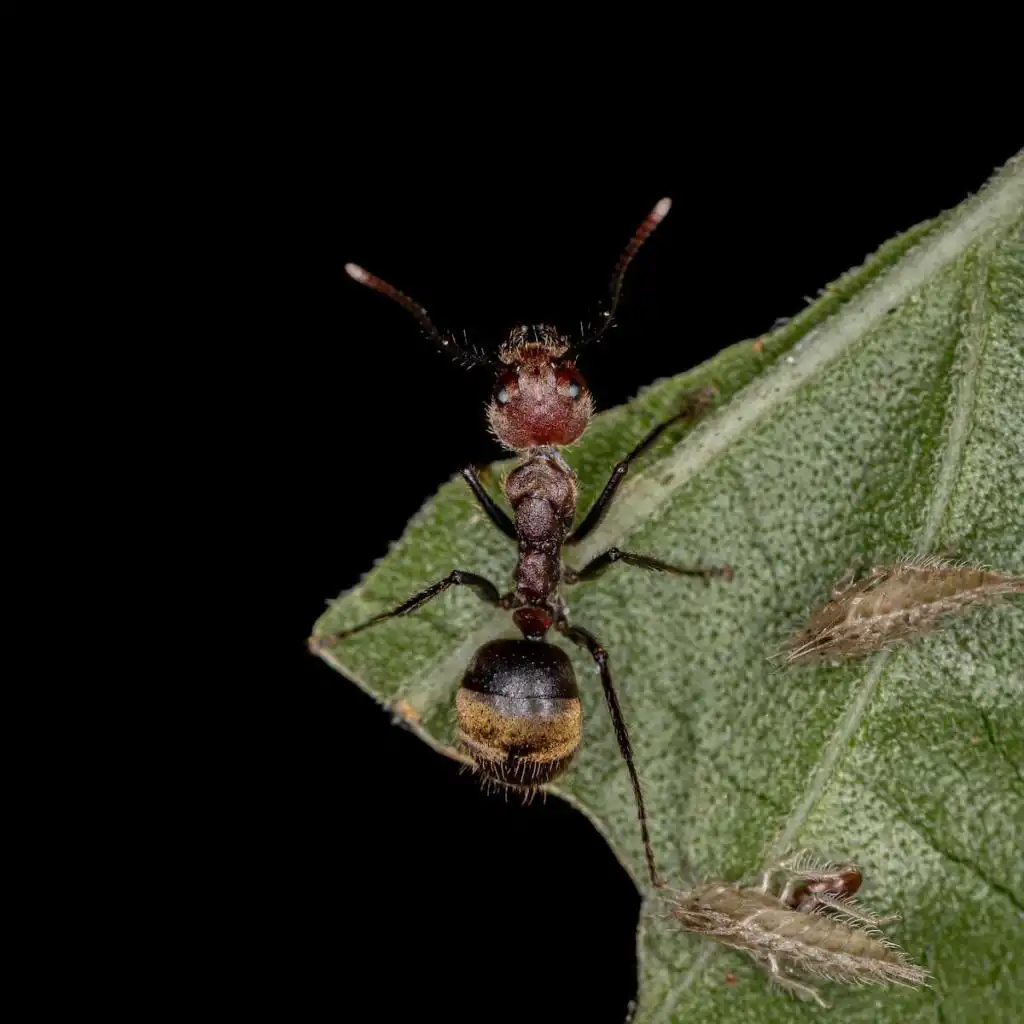 Most common
Odorous House Ants
The tiny brown ants trailing across your counter. Crush one and you’ll get a rotten-coconut smell. Colonies split easily, so spray-and-hope usually makes things worse.
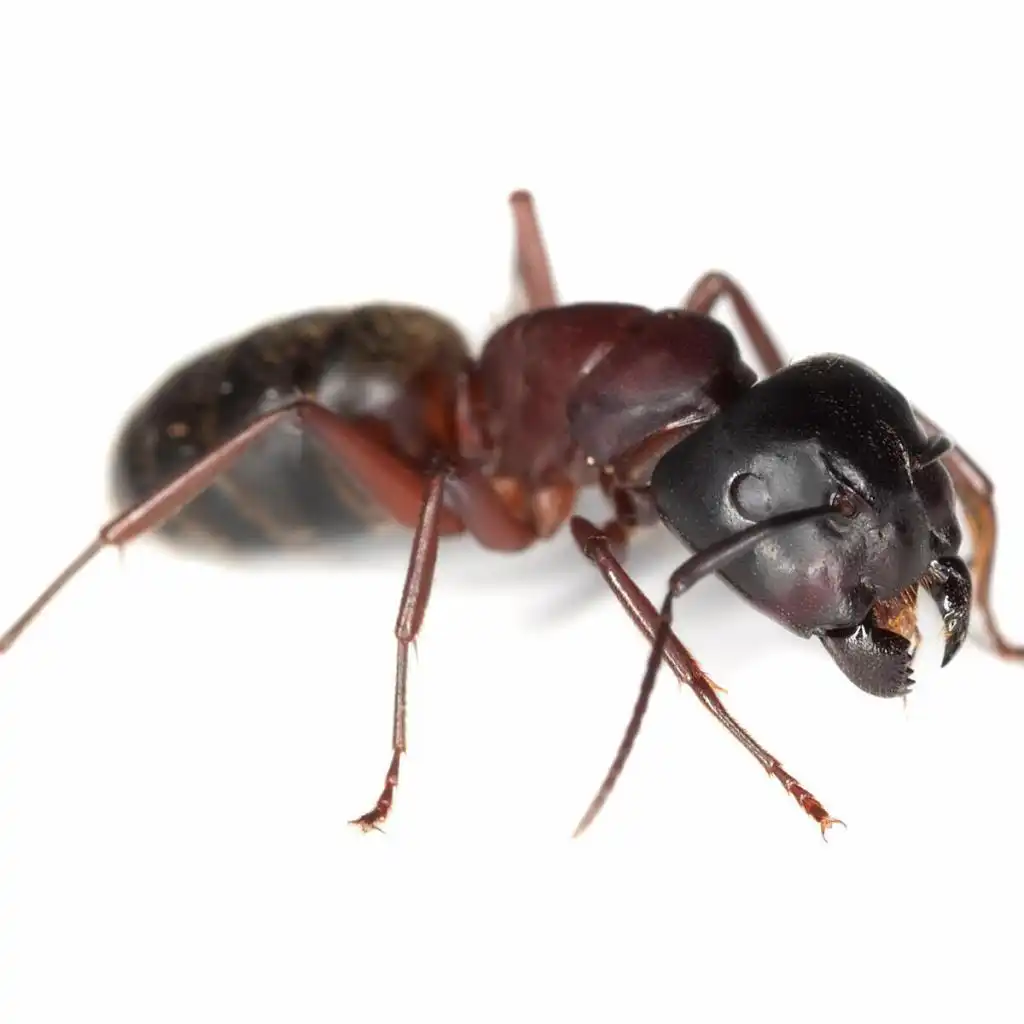 Wood damage
Carpenter Ants
Large black ants that tunnel into damp wood – window frames, decks, sills. Sawdust piles are the giveaway. Structural damage builds over time, so these get treated at the nest, not the trail. Covered under Home Shield Premium alongside termites.
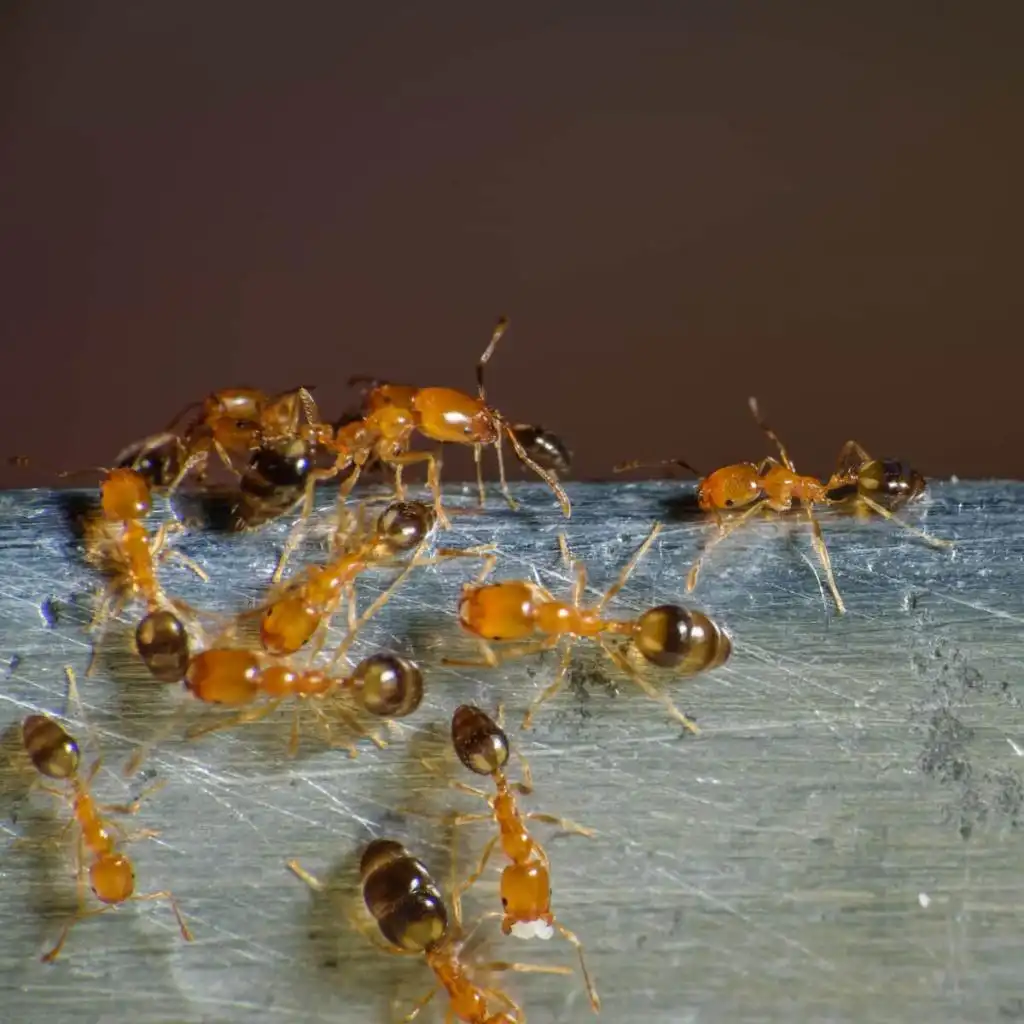
Pharaoh Ants
Small, yellowish, and the hardest household ant to knock out. Repellent sprays cause the colony to “bud” into multiple new colonies inside your walls. Baiting done right is the only reliable approach.
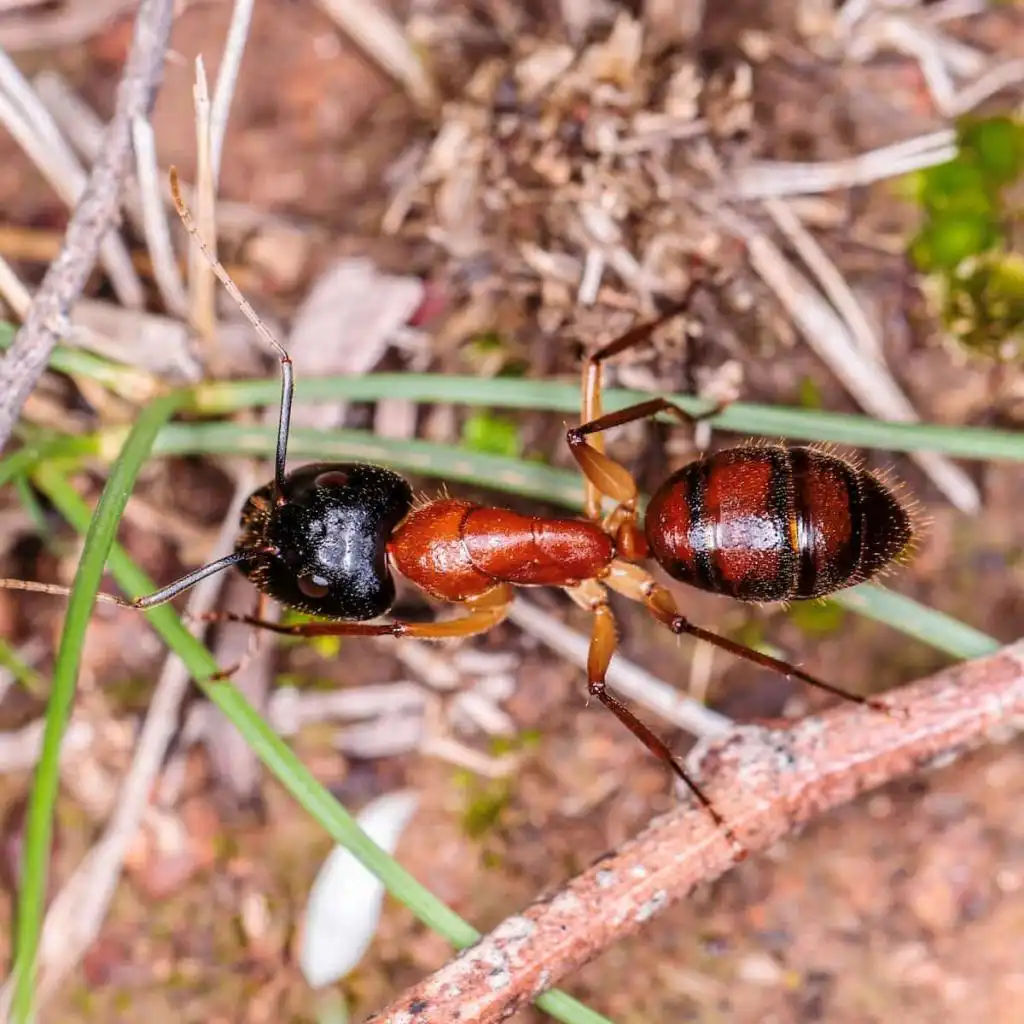
Sugar Ants
The catch-all name for the small ants that show up wherever there’s something sweet – the fruit bowl, the pantry shelf, the syrup bottle. Cutting off the food source is step one; treating the trail back to the colony is step two.
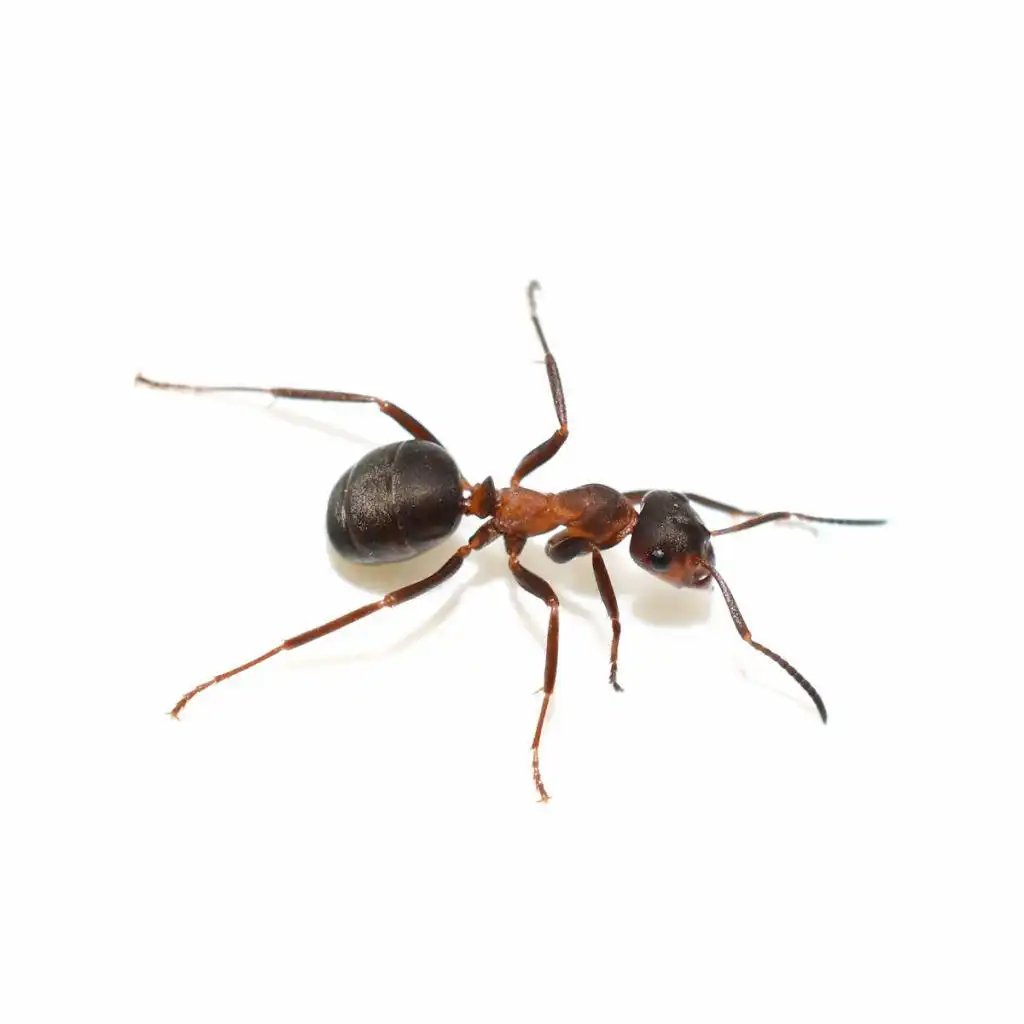
Field Ants
Big mound-builders in the yard and garden beds. Mostly an outdoor problem, but mounds near the foundation put them one crack away from coming inside. Perimeter treatment keeps them out there.
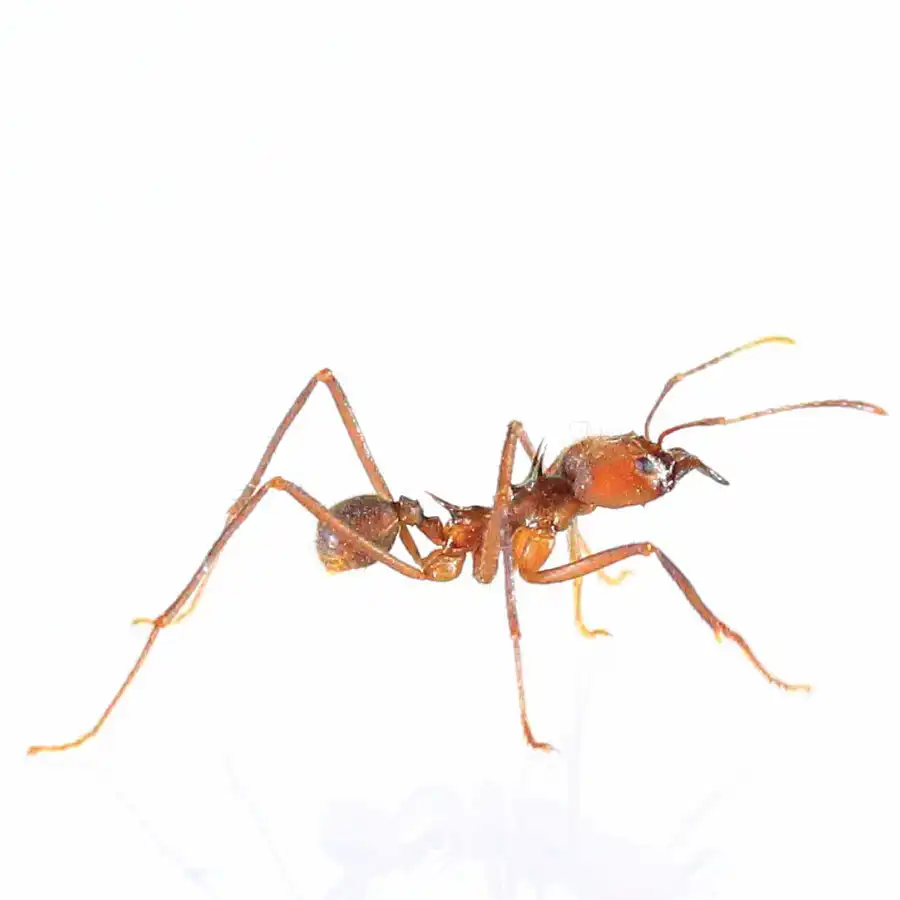
Fire Ants
Reddish, aggressive, and their stings hurt – a real concern with kids and pets in the yard. Mound treatments are applied per label directions and target the queen, since knocking down workers alone doesn’t end the colony.
We also handle pavement ants, thief ants, and anything else we find during the inspection. Not sure what you’ve got? That’s exactly what the free on-site visit is for – identification comes before any treatment.
From trail on the counter to problem handled.
Same process as everything we do: look first, explain in plain language, then treat. No pressure at any step.
Free Inspection
A licensed Titan tech visits your property, identifies the ant species, follows the trails back to nesting areas, and finds the entry points and conditions (moisture, food sources, foundation gaps) feeding the problem.
Same day or next dayCustom Plan + Quote
We walk you through what we found and how we’d treat it – baiting, perimeter treatment, sealing, or a combination, depending on the species. You get a written quote on the spot. Think it over if you want to.
On the spotTreat & Protect
We treat the colony at its source, then optionally set you up on a recurring plan timed to St. Louis seasons. If covered ants come back between plan visits, so do we – at no extra cost.
Ongoing protectionOne treatment handles the trail. A plan handles the season.
Ant pressure in St. Louis isn’t a one-time event. Colonies push indoors every spring as the ground warms, again in summer droughts looking for water, and again in fall ahead of the cold. A one-time treatment handles the active problem; the Home Shield plan keeps the perimeter treated through every one of those pushes, with free callbacks between visits if anything gets through. Carpenter ants and termites are covered together under Home Shield Premium.
What people ask about ant control.
Why do the ants keep coming back after I spray?
Store-bought sprays kill the workers you see, but the colony – and the queen – stays intact. With some species, repellent sprays actually make it worse by splitting the colony into several new ones. Effective ant control means identifying the species and treating the source, which is what the free on-site inspection is for.
Are the treatments safe around kids and pets?
We use an Integrated Pest Management approach, applying products only where they’re needed and per label directions. For most ant treatments, areas are reentry-safe once products dry, typically 30-60 minutes. If your pet has known sensitivities or your child has health conditions, mention it during the inspection and we’ll review the plan with you.
Does having ants mean my house is dirty?
No. Ants are opportunists – they’re after food, water, and shelter, and even a spotless house has all three. A dripping outdoor faucet, mulch against the foundation, or a gap under a door is all the invitation they need. The inspection identifies which conditions are drawing them in.
Do I need a one-time treatment or a service plan?
Depends on the situation. A one-time treatment handles an active problem. But because ant pressure in St. Louis returns every season, many homeowners find a recurring plan costs less over the year than repeated one-off visits – and covered pests that return between visits are re-treated at no extra cost. We’ll give you a straight recommendation at the inspection either way.
How fast can you get someone out?
For most pest situations in the St. Louis metro, we can have a technician on-site the same day or the next day, subject to availability. Call (314) 720-8857 for the fastest scheduling – it’s quicker than the contact form.
Ready to be done with the ants?
Free on-site inspection. No obligation. A straight answer from a St. Louis tech who’s traced a thousand trails back to the nest.