
St. Louis Mole
Control
Raised ridges crisscrossing the yard, fresh mounds of dirt, a winding trail of dead grass. That’s mole work, and it doesn’t stop on its own. We map the runs, set up an experienced trapping program, and protect the lawn you’ve put years into. One call sets up a free on-site inspection, no obligation, no pressure.
Book a Free Inspection
Pick a time that works. We’ll call to confirm within an hour during business hours.
If your lawn looks like this,
you’ve got a mole.
One mole can tunnel through a surprising amount of yard in a single night. The damage usually shows up in three ways, and it gets worse the longer it runs.
Raised Surface Ridges
Winding, raised lines of turf crisscrossing the yard. These are feeding tunnels pushed up just below the surface, and they make the ground soft and uneven underfoot. Stepping through one is a real ankle hazard.
Fresh Dirt Mounds
Cone-shaped piles of loose soil, sometimes called molehills, where the mole has pushed dirt up from deeper tunnels. New mounds appearing overnight mean the mole is active right now.
Dead Grass Trails
Strips of dying grass that follow a path. Tunneling separates roots from the soil, so the grass above dries out along the run. Flowers, shrubs, and garden beds get pushed up and damaged the same way.
What moles actually are.
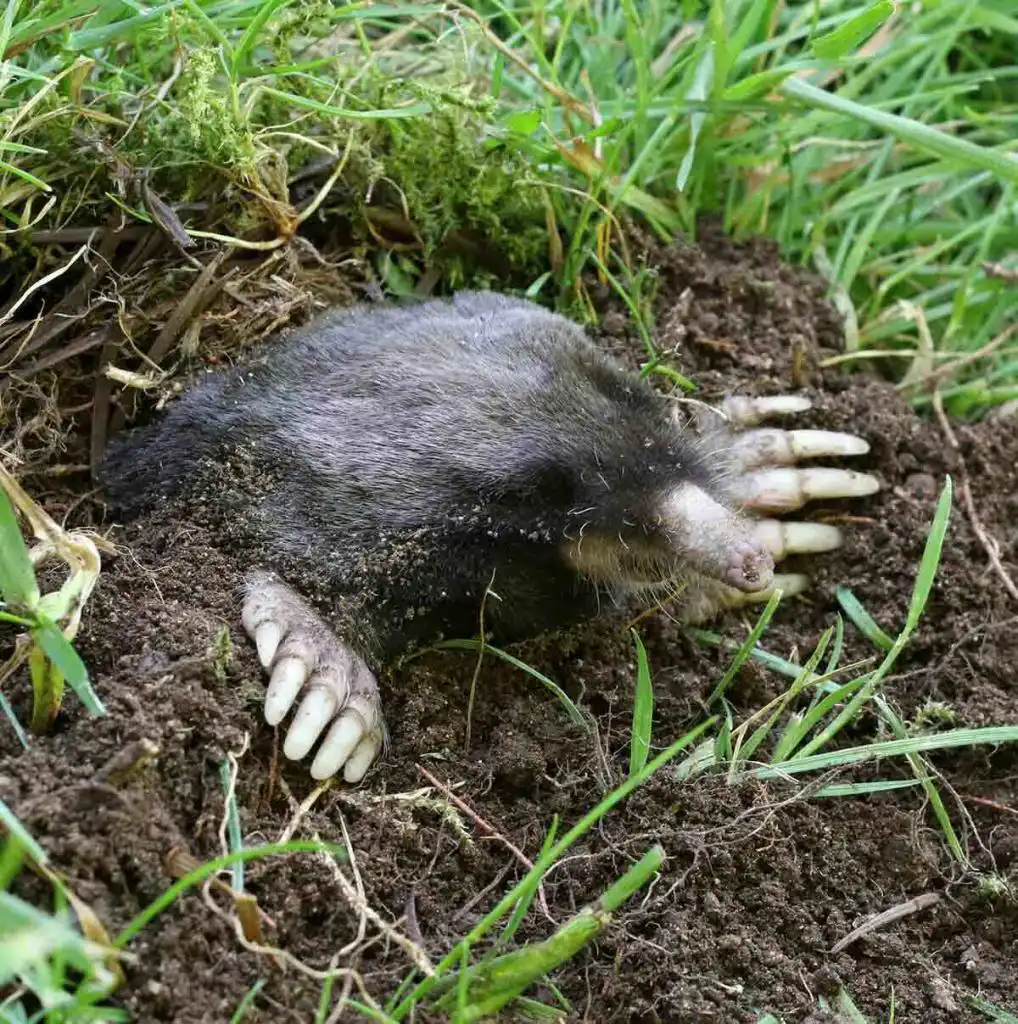
Moles aren’t rodents, and that matters for how you get rid of them. They’re small insect-eating mammals that live almost entirely underground, hunting earthworms and grubs. Nearly blind, they navigate by smell, hearing, and touch, using broad front paws to swim through the soil.
Because they eat insects, not plants, the baits and repellents sold for rodents mostly miss them. And because St. Louis soil holds the moisture and earthworms they love, an untreated yard can host mole activity year after year. Homes, golf courses, sports fields, parks, and cemeteries all deal with the same problem, and we handle both residential and commercial properties.
Map the runs. Trap the mole.
Protect the yard.
Sonic spikes and home remedies are hit or miss. Experienced trapping on the right tunnels is the proven approach, and it’s what we’ve refined over 35+ years in St. Louis yards.
Free On-Site Inspection
A Titan tech walks the property, tells apart the active runs from abandoned ones, and sizes up the damage. You get a clear picture of what’s happening and a written quote before any work starts.
Same day or next dayTargeted Trapping Program
We set professional trapping systems on the tunnels the mole is actually using, then check and reset them until the activity stops. Placement is the whole game, and it’s where experience pays off.
Days to a few weeksMonitor & Protect
Once the yard is quiet, we watch for new activity and can set you up on a recurring plan so a new mole moving in from a neighboring property gets caught early, before the ridges spread.
Ongoing protectionWhat people ask about moles.
How do I know it’s moles and not voles?
Moles push up raised ridges and dirt mounds while hunting insects underground. Voles are rodents that run in shallow surface paths and chew on plants, bulbs, and bark. The damage looks different and the fix is different, which is why the free on-site inspection starts with identifying what’s actually in your yard.
How long does mole removal take?
It depends on the size of the property and how active the mole is. Trapping typically runs from a few days to a few weeks, with our techs checking and resetting traps until the activity stops. Fresh mounds and new ridges tell us right away whether we’ve got the run placement right.
Do repellents, sonic spikes, or grub treatments work?
Results are inconsistent at best. Earthworms, not grubs, are a mole’s main food source, so treating grubs alone often just moves the tunneling around. Repellents and sonic devices tend to relocate activity rather than end it. Trapping targets the animal itself, which is why it remains the method that actually resolves the problem.
Will moles come back after removal?
A new mole can move in from neighboring ground, especially in areas with moist soil and healthy earthworm populations. That’s honest biology, not a sales pitch. If your yard has a history of mole pressure, ask about a recurring plan so new activity gets caught while it’s still one ridge instead of a whole lawn. See our service plans for options.
Get your yard back.
Free on-site inspection. No obligation. A St. Louis tech who can tell you whether it’s moles, how bad it is, and what it takes to stop it.