
A rat infestation is one of the most unsettling problems for any homeowner. The truth is, most people only notice rats in their homes after the first signs of rats in the house become obvious. These signs include droppings in the attic, gnaw marks on food packages, or strange scratching noises in the walls at night.
At Titan Pest & Wildlife Solutions, we understand the importance of learning the signs of rats in the house early and acting quickly. Rats and mice can cause significant damage and health risks. Our professional pest control services are here to help protect your home and bring back your peace of mind.
Why Rat Infestations Are a Serious Problem
Rats are opportunistic rodents. They enter your home searching for food and water sources, warmth, and safe nesting sites. Once inside, rats are likely to build their nests in attics, walls, or behind your cupboards. They prefer anywhere hidden and undisturbed.

Health risks of a rat infestation:
Rats and mice are known to spread diseases like hantavirus, salmonella, and leptospirosis. Their droppings and urine can trigger allergies and asthma. A sudden increase in mouse or rat droppings around your property, especially in food areas or near water sources, is a warning sign of a rodent infestation.
Property damage:
Rats tend to gnaw on insulation, wood, wiring, and pipes. They often cause significant damage, leading to costly repairs or even fire hazards. The number of droppings they leave in their wake can ruin insulation, contaminate surfaces and foods, or attract other pests that damage items and carry pathogens. We’ve seen cases where a rat population grew out of control simply because the first signs went unnoticed.
Homes in St. Louis are especially at risk, with older buildings, changing seasons, and river proximity making them perfect targets for rats and mice.
The Most Common Signs of Rats in the House
What are the first signs of a rat infestation?
The first signs of a rat or mouse infestation in your home often include:
- Rat droppings:
Fresh droppings are dark and moist, usually found along walls, in the attic, basement, cupboards, or near food packages. These are clear signs of rats in the house. 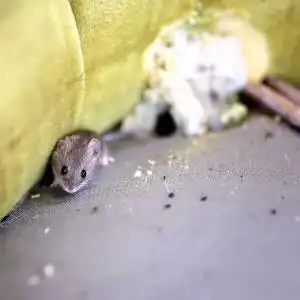
- Gnaw marks:
Rats leave rough, large chew marks on wood, insulation, wires, or food containers. 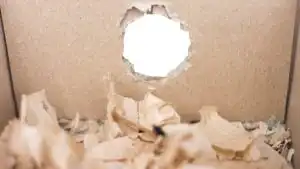
- Strange noises:
Listen for scratching, scampering, or squeaking, especially at night when rats are most active. 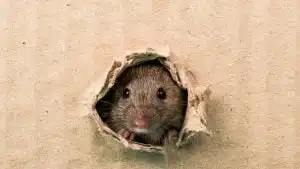
- Nests made of shredded paper or fabric:
Rats use any soft material they find to build their nests in attics, walls, or hidden areas of your home. 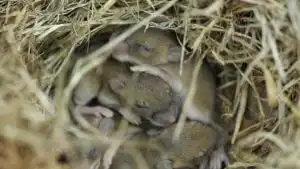
- Smudge marks along walls:
Oily fur leaves greasy marks along rat runways. 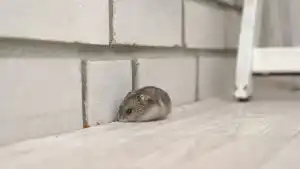
- Burrows or holes:
Rats may dig around your foundation, basement, or garden to access your home. 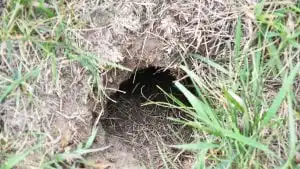
- Unusual pet behavior:
Cats or dogs may sniff, bark, or scratch at walls where rats or mice are hiding. 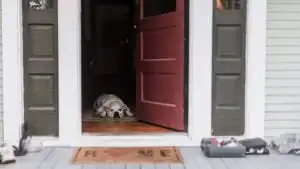
What Does a Rat Infestation Smell Like?
A rat infestation often brings a strong, musty, ammonia-like odor. This smell is strongest near nesting sites or closed areas like attics and behind walls. This ammonia odor carries significant health risks, making it necessary to call an exterminator. In fact, just breathing the odor can lead to diseases like Leptospirosis (a bacterial infection that causes kidney or liver damage) and Hantavirus (a deadly viral disease).
Rats Also Have a Strong Sense of Smell
According to research, rats have a strong sense of smell and can smell other rats besides the foods they love. Therefore, they use their noses and the mechanism of sniffing to interact with other rats, to build their nests, and to forage for food.
How many rats are considered an infestation?
Even one rat in your home is a problem. There’s likely an active or larger infestation if you find multiple signs. These signs might include several droppings, nests, or hearing regular noises. Rats are rarely alone; if you see one, there are probably more nearby.
Where Do Rats Hide in Your House?
Rats will likely hide in attics, basements, wall voids, under floorboards, and behind appliances.
When you have rats in your house, common entry points include:
- Cracks and crevices around your foundation or roofline
- Dryer vents, utility lines, or around pipes
- Gaps under doors or around windows
Rats are known to build their nests in hidden spots, using shredded paper, fabric, or insulation for bedding. Checking these areas can help identify the severity of an infestation in your home.
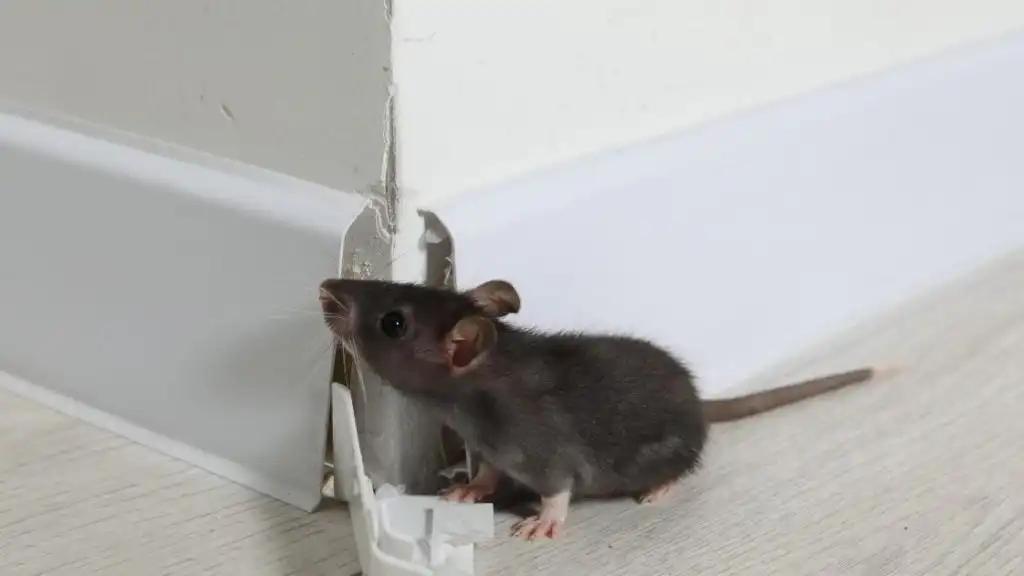
Rats vs. Mice: What are the Signs of a Rat and a Mouse
Since treatment methods differ, knowing if you have rats or mice is essential.
- Size:
Rats are much larger than mice, with thicker bodies and longer, scaly tails.
- Droppings:
Rat droppings are big and blunt, while mouse droppings are tiny and pointed.
- Gnaw marks:
Mice make small, neat holes while rats leave large, rough marks.
- Nests:
Rats often use attics or basements, and mice prefer areas closer to food.
- Behavior:
Rats are shy and avoid open spaces, while mice scurry more boldly.
If unsure, our pest control experts can help identify the rodent and recommend the right solution for your home.
Why DIY Pest Control Often Fails
DIY methods like traps or home remedies might catch a rat or two, but rarely address the severity of an infestation. Rats are clever and learn to avoid traps. They can squeeze through tiny gaps, burrow into insulation, and build nests where DIY products can’t reach.
DIY pest control rarely fixes the root cause: open entry points, easy access to food, and hidden nesting sites. Using poison can create health risks for pets and kids or leave dead rats in the walls, causing even more problems.
Titan Pest & Wildlife Solutions in St. Louis offers professional rodent control services. These services identify all entry points, safely remove rats, and prevent future infestations by sealing cracks, using steel wool, and offering ongoing monitoring.
The Value of Professional Pest Control Services
Getting rid of rats in your home requires more than just a few traps. At Titan Pest & Wildlife Solutions, we:
- Inspect every area of your house for signs of rats, including attics, basements, walls, and crawlspaces.
- Identify all active entry points and nesting sites.
- Use safe, targeted treatments to remove rats and mice.
- Seal cracks, crevices, and vents with steel wool, mesh, or other rodent-proof materials.
- Offer ongoing pest control service plans to protect your home year-round.
Our pest control experts know the unique rodent challenges in St. Louis. We use eco-friendly solutions and prioritize safety for your family, pets, and property.
How to Prevent Future Rat or Mouse Infestations
To protect your home from rats or mice, try these steps:
- Store food and pet food in sealed containers.
- Remove food and water sources from around your home.
- Seal up cracks, holes, and vents with steel wool or caulk.
- Clean up clutter in attics, basements, and garages, as rodents love hiding in piles.
- Keep garbage bins closed and away from entry points.
- Trim back trees and shrubs near your roofline or attic.
- Schedule regular professional pest control inspections.
Ongoing prevention and early action are the best ways to avoid a larger infestation in your home.
The Growing Rat Problem
Recent studies from the National Pest Management Association show rodent infestations are rising in urban areas, especially during colder months. With its older homes and changing seasons, St. Louis faces increasing numbers of rat and mouse problems each year. Rats can have up to 12 pups in a litter, and a few rats can quickly turn into a full-blown infestation if left unchecked.
Rodent Infestation: Frequently Asked Questions (FAQ)
The following FAQ about rodent infestations will help you understand noises, behavior, signs, and what attracts rats and mice into your home.
What are rats doing when you hear scratching?
Rats may be building nests, searching for food, or gnawing on wood and insulation inside your walls.
What noise do rats make at night?
You may hear scratching, scampering, or squeaking. Rats and mice are nocturnal, so nighttime noises often indicate an active infestation.
How do you check for rats in a house?
Look for droppings, gnaw marks, nests made of shredded material, and greasy smudge marks along walls. Listen for strange noises in the attic or basement.
What smell kills rats instantly in the house?
No smell will kill rats instantly. While some use peppermint oil as a deterrent, true control requires removing food and water sources, sealing entry points, and using professional pest control services.
What attracts rats or mice to your home?
Rodents are attracted by food, water, shelter, and nesting materials. Easy access, such as cracks, holes, or open vents, makes it simple for rats and mice to move in.
What are the signs of a rat nest?
Look for piles of shredded paper, fabric, or insulation in hidden corners of attics, walls, or behind appliances. These items are all commonly used for their nests.
Protect Your Home and Attic: Get Rid of Gnaw Marks and Droppings Permanently
Rats in your home aren’t just a nuisance. They’re a real threat to your health and property. Learning the signs of rat infestations in your house early, acting fast, and relying on professional pest control experts can make all the difference.
At Titan Pest & Wildlife Solutions STL, we specialize in rodent infestations. We use safe, effective, and environmentally friendly methods to keep your home rodent-free. Whether you’re hearing strange noises, seeing droppings, or worried about a possible infestation, we’re here to help.
Don’t wait for a small rat problem to become a major infestation in your home. Contact Titan Pest & Wildlife Solutions STL today for a thorough inspection and lasting protection. Contact us at (314) 720-8857.