
Have you ever walked into your kitchen and found a line of tiny ants marching along the counter? Maybe you’ve spotted ants in your bathroom, pantry, or near pet food bowls and wondered why these ants keep coming back.
At Titan Pest & Wildlife Solutions, we know how frustrating dealing with an ant infestation can be, especially when you keep your house clean. You’re in the right place if you’re tired of different species of ants coming into your house and want real answers.
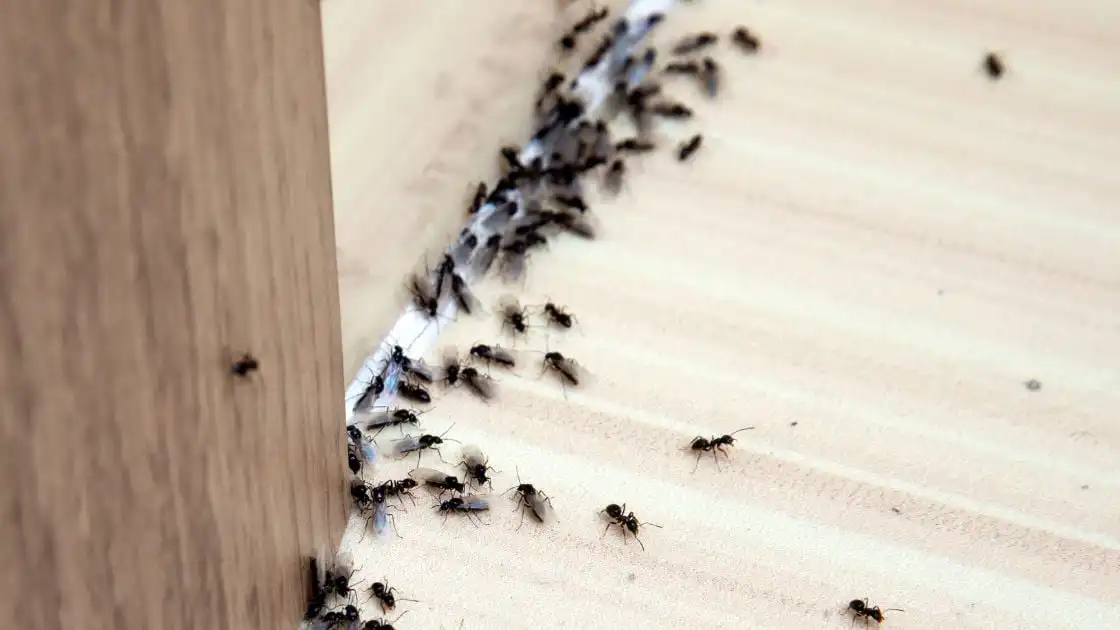
This guide will explain what causes ants in the house, how ant colonies get inside, and how to get rid of ants for good. We’ll share real tips from our pest control team in St. Louis, including stories from homes like yours. Whether dealing with a few scout ants or a full-blown ant invasion, understanding what attracts ants is the first step to a pest-free home.
What Causes Ants in the House: Why Are Ants Coming Into My Home?
Wondering why ants are entering your home, especially when you clean every day? Here are the main reasons ants get into your house:
- Food Crumbs and Spills
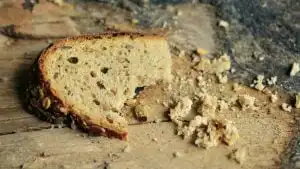
Ants are attracted to food crumbs, spills, and anything sugary or greasy left behind. Even a tiny spill under your refrigerator or food particles in your pet’s bowl can draw in a colony of ants.
- Open Food or Poor Storage
Ants can smell food in open containers, bags, and boxes. If you don’t store food in airtight containers, ants will find their way in. The sides of food storage containers often have residue that ants like to eat.
- Unsealed Trash and Recycling
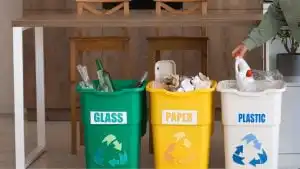
Leaving trash uncovered or making recycling bins sticky with soda or juice will attract ants. Make sure you keep your trash sealed and take it out regularly.
- Water Sources and Moisture in Your Home
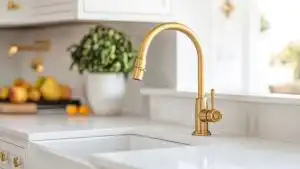
Ants need water as much as they need food. Leaky pipes, damp rags, pet water bowls, and condensation can attract ants looking for a water source. If there’s extra moisture in your home, ants will find it.
- Cracks in the Foundation and Entry Points
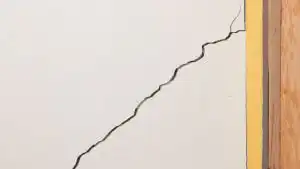
Tiny cracks, gaps around doors and window frames, and spaces where pipes enter your house are perfect for ants to get inside. Many ants use these entry points to start an ant infestation indoors.
- Pet Food and Water
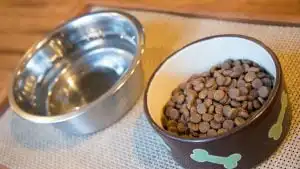
Leaving pet food or water bowls out overnight gives ants an easy food source. Ants in your kitchen often start near pet bowls and spread to other rooms.
- Rotting Wood or Structural Gaps
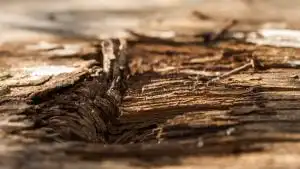
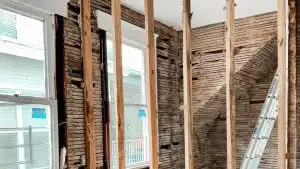
Ants, especially carpenter ants, are attracted to rotting wood and damp window frames. These areas make it the perfect hideout for ants to nest inside your walls.
- Outdoor Ant Colonies and Landscaping
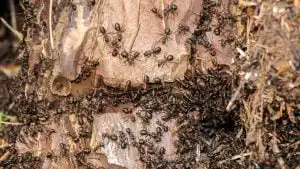
Ants around your house and yard will explore indoors when their colonies get large or outdoor food runs low. Overgrown plants touching your home, mulch beds, or leaf piles can be “highways” for ants to enter.
- Seasonal Weather Changes
Ants usually come indoors when rain, heat, or cold sends them looking for a new nest. Many ants get inside during spring rains or summer droughts, searching for steady food and water.

- Recent Construction or Disturbed Nests
Home repairs, landscaping, or yard work can disturb ant colonies, sending worker ants searching for a new place to build their nest often inside your home.
Quick Answer Box:
What causes ants in the house?
Ants enter your home when they find food crumbs, spills, water leaks, unsealed trash, open food containers, or easy entry points like cracks and gaps. Keeping things sealed and fixing leaks can prevent ants from getting in.
What Exactly Attracts Ants in the House?
Ants are attracted to any place with food and water, but kitchens are the number one spot for an ant invasion. Here’s what attracts ants in your kitchen and other parts of your home:
- Sugar, honey, fruit, and sticky foods
- Grease spots and leftover crumbs
- Pet food left out or not cleaned up
- Leaky sinks, damp rags, or standing water
- Trash and recycling bins are not emptied often
If you see ants in your kitchen, they’ve usually followed a scent trail left by one ant scout. Once the colony knows there’s food, you’ll find more ants until the source is gone. Our pest control services focus on finding what attracts ants and removing their food source for good.
What Does It Mean When You See Ants in Your House?
Seeing ants in the house doesn’t mean your home is dirty. It means the ants found something they need, usually food or water. If you keep finding ants in your house or kitchen, they’ve likely set up a nest nearby or inside your walls. A persistent line of ants in the kitchen or bathroom often signals a hidden colony.
Sometimes, you’ll only see a few scout ants, a warning sign that a larger ant infestation could follow. You may have carpenter ants if you see sawdust or hear faint noises in your walls. Worker ants can travel far from the nest to find food, so the source isn’t always obvious.
Are Some Types of Ants a Bigger Problem Than Others During an Ant Invasion?
In St. Louis, we see many ant species, but a few are common culprits for an ant infestation:
- Odorous House Ants:
These tiny ants invade kitchens and bathrooms, giving off a rotten smell when crushed.
- Pavement Ants:
Pavement ants nest under sidewalks or driveways, but often invade homes in large numbers.
- Carpenter Ants:
These larger ants chew wood to create nests inside your home. If unchecked, carpenter ants can damage window frames, support beams, and floors.
- Fire Ants (outdoors):
They are not as common indoors, but they can enter when disturbed.
Each type of ant prefers different food and nesting sites. That’s why professional pest control services start with identifying the ant species in your home. We’ve seen kitchen ant invasions begin from a single crack near a window frame. The cracks or gaps near window frames are favorite entry points for odorous house ants and pavement ants.
How Do Ants Get Inside Your Home? Places Where We Apply Safe Insecticides and Practice Eco-Friendly Pest Control Services
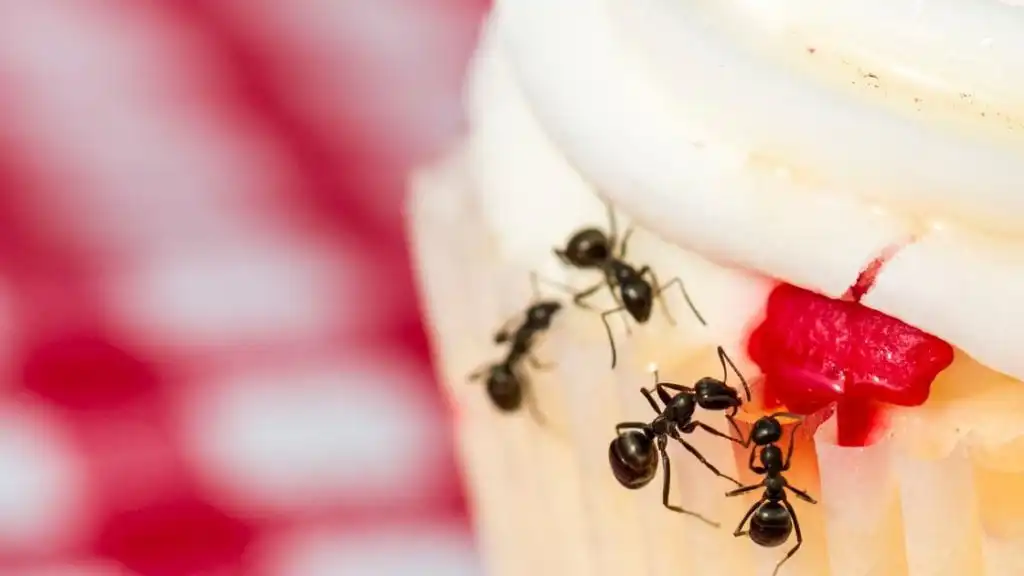
Ants use scent trails (pheromones) to find food and lead other ants into your home. Even the tiniest gap or crack can be an open door for an ant colony.
Common ways ants get inside:
- Gaps around doors and window frames
- Cracks in the foundation
- Utility line openings
- Vents and weep holes
- Pet doors or poorly sealed screens
Once inside, worker ants search for food in your kitchen, pantry, or anywhere crumbs and spills can be found. The line of ants you see is only a small part of the entire colony, which may be nesting outside or inside your walls.
Get Rid of Common Household Ants Like Odorous Ants and Pavement Ants
Titan knows various household ants and how to stop them in their tracks. The first step toward enjoying a pest-free house is to phone Titan at (314) 720-8857.
Odorous house ants (Tapinoma sessile) are small (1/10-inch) black ants that are common in homes. When disturbed, they raise their abdomens and emit a scent that smells like coconut.
Pavement Ants (Tetramorium caespitum) characteristically produce small mounds of soil at entrances of their nest, with the nests found under pavement. They are small ants (1/16-1/10-inch), dark-brown in color.
How to Get Rid of Ants in the House When You Can’t Find the Source
If you keep finding ants but can’t tell where they’re coming from, try these steps:
- Follow the trail:
Watch the ants carefully. They often travel along walls, pipes, or baseboards back to their nest. - Use bait, not spray:
Store-bought insecticide sprays kill only visible ants and can split colonies, worsening the ant problem. Ant bait is taken back to the nest by worker ants, wiping out the colony at the source. - Seal up entry points:
Caulk cracks, gaps, and openings around doors and window frames to keep ants from getting into your home. - Fix leaks and clean up:
Remove water sources, clean up food crumbs, and empty trash often. - Store food in airtight containers:
Keeping food in sealed containers reduces the food source and makes your kitchen less attractive to ants.
If you’ve tried all this and still see ants, it’s time for professional pest control. We use inspection tools and targeted products to find and treat ant colonies you can’t reach.
Why DIY Ant Control Often Fails and Can Make Ant Infestations Worse
Many homeowners try store-bought sprays or traps when they see ants in the kitchen. These insecticides may kill the ants you see, but rarely solve the ant problem. Sometimes, spraying can cause the colony of ants to split, leading to more nests inside your home.
DIY treatments can also put kids and pets at risk if misused. The real cause of invasions in ants is usually hidden, such as a nest inside walls, cracks, or under the foundation. Professional ant control focuses on eliminating the colony and preventing ants from getting back inside.
According to pest industry studies, homes treated by experts are much more likely to stay ant-free for months than homes using only DIY products.
How to Prevent Ants from Getting Into Your Home
Want to stop ants from coming in? Prevention is key. Here’s what works:
- Store food in airtight containers, especially sweets and pet food
- Wipe down counters and sweep up food crumbs daily
- Fix leaks and dry up moisture in your home
- Keep your trash sealed and emptied often
- Seal cracks in the foundation, doors, and window frames
- Trim plants and bushes away from the house
Check and repair screens and door sweeps
Prevention not only helps keep ants out, but it also makes your house less attractive to other pests.
Professional Ant Control: Why Choose Titan Pest & Wildlife Solutions?
You’re not alone if you’ve tried everything and still have ants in the house. At Titan Pest & Wildlife Solutions, our team specializes in solving challenging ant problems for families and businesses in St. Louis.
Here’s how our pest control services work:
- Inspect your home to find ant nests and all entry points
- Identify the ant species to choose the best treatment
- Use safe, targeted insecticides and baits that get rid of ants for good
- Seal up cracks, gaps, and entry points to prevent ants from returning
- Offer year-round pest control plans for ongoing protection
One homeowner we helped had a recurring ant invasion every spring. After finding a hidden nest inside a window frame and treating the colony, their ant problem finally stopped. Our regular follow-up visits make sure it stays that way.
How Much Does Professional Ant Control Cost?
Every home and ant infestation is unique. Most single treatments for ants start at $150–$300, depending on the size of the ant colony and type of ant. Ongoing pest control plans save money by preventing new problems and include free follow-up visits if ants return.
We always start with a free inspection and honest quote. Our goal is to keep ants out and give you peace of mind.
Get Rid of Ants and Keep Your Home Safe
Tired of seeing ants in your house or kitchen? Book a free inspection with Titan Pest & Wildlife Solutions today. Our local team will get to the source of your ant problem and help you prevent ants from getting back inside your home.
- Families: Ask about our child- and pet-safe solutions!
- Businesses: Protect your reputation and kitchen with our commercial pest control services.
- Homeowners: Don’t let large numbers of ants eat leftover crumbs. Contact Titan.
Find where they are coming from or how they are finding their way into your home. Titan can help you get rid of those annoying household ants. We will keep ants from forming trails from their colony or finding their way back to the nest. We’ll destroy ant habitats in the home and garden. If you get an infestation, Titan has you covered.
Frequently Asked Questions
What causes ants in the house?
Ants are often attracted to food, water, and shelter. Crumbs, spills, leaks, and easy entry points attract ants and cause ant infestations.
How do I get rid of ants in my house permanently?
You can eliminate ants by targeting the colony, sealing entry points, and keeping food in airtight containers. However, professional pest control is the best long-term solution. Titan will prevent ants from returning or entering the home in the first place.
Why do I see ants in my kitchen?
Ants are attracted to kitchens by food crumbs, spills, pet food, and water sources. Kitchens are the most common place for ant problems.
Can ants damage my home?
Some ants, like carpenter ants, can damage wood and weaken window frames or support beams if not treated.
How do I prevent ants from getting into my home?
Store food in airtight containers, seal cracks, fix leaks, and clean up crumbs daily. Regular pest control services help prevent ants from returning.
Keep Your Home Ant-Free with Expert Pest Solutions
Titan Pest & Wildlife Solutions is proud to help St. Louis residents and businesses tackle ant infestations and other pest problems. Since many people ask what causes ants, our team also helps identify the sources, like food crumbs, moisture, and entry points, so you can prevent future infestations. Let us help you eliminate ants and keep your home safe, clean, and comfortable all year round. Call (314) 720-8857 now.