
Hearing scratching late at night or finding small droppings near vents often indicates the presence of mice in the attic. This is a common issue for homes across St. Louis, especially as seasons change. Mice are quick, quiet, and skilled at finding weak spots. Once they get inside, they waste no time settling in.
At Titan Pest & Wildlife Solutions, we help homeowners understand how mice enter the attic and what it takes to prevent the problem from recurring. This guide builds on what homeowners should know about how mice get into homes by focusing on attic access points and long-term prevention.
Mice are notorious for making attics their homes. Therefore, you need a professional pest control expert to trap mice and make sure they don’t get back into your home.
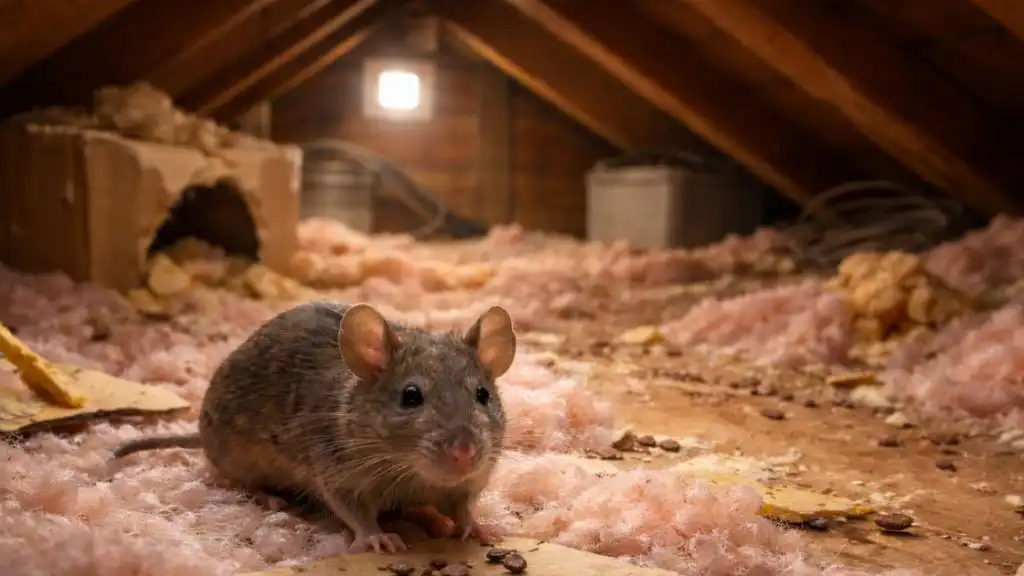
Why Mice Love Attics So Much and How To Tell if There Are Mice Inside
An attic offers shelter, warmth, and privacy. For a mouse, it is a perfect place to hide and build a nest. During the colder months, attic spaces tend to stay warmer than the outdoors. In summer, they stay cooler than garages or sheds.
Another reason mice choose the attic is access to nesting material. Insulation, cardboard boxes, and stored items provide mice with what they need to establish a comfortable environment quickly. Once mice find these materials, they chew and gnaw to create nesting areas.
Mice are also nocturnal, meaning they are most active at night. That allows them to scurry around without being noticed. Many homeowners do not realize they have a mouse infestation until it has grown.
How Small an Opening Can A Mouse Use?
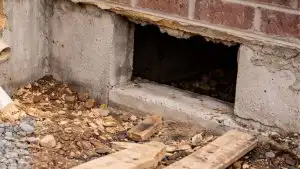
A single mouse can squeeze through cracks about the size of a dime. That includes cracks along siding, gaps near vents, and spaces around wiring. If the head fits, the body follows. When pest control specialists rodent-proof a home, they look for these gaps. One of these openings can also include weep holes in the mortar.
Mice are flexible and determined. They test small holes repeatedly until they succeed. This explains why sealing one visible gap does not always solve the problem. Multiple potential entry point areas may exist around the home.
15 Entry Points Mice Use to Access the Attic
1. Roofline Gaps And Aging Materials
Over time, roofs shift, and materials break down. Small gaps appear along flashing, shingles, and roof edges. Mice climb gutters and siding to access these vulnerable areas.
Once they find an opening, mice enter the attic and take up residence. Roofline gaps are one of the primary reasons mice enter the attic. When we place and check the traps for catching mice, we inspect these areas.

2. Cracks In Siding Or Brick Joints
Cracks in brick mortar or vinyl siding allow mice to chew their way inside. These cracks, such as weep holes, may seem minor, but mice widen them over time.
After entering the wall, mice travel upward toward the attic space, following warmth and quiet areas.
3. Utility Line Entry Points
Wires, pipes, and cables enter the home through sealed openings. When caulk dries out or pulls away, gaps form.
Mice follow utility lines straight into wall voids. From there, they reach the attic without being seen.
4. Attic Vents Without Screens
Vents without wire mesh give mice a clear path inside. Even damaged screens can allow access.
Once inside, mice contaminate attic insulation with droppings and urine, creating health concerns.
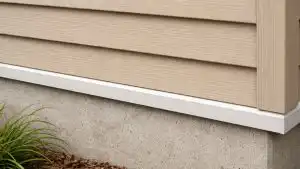
5. Foundation To Siding Gaps
Small gaps where the foundation meets siding are easy to miss. Mice enter here, move into wall spaces, and reach the attic. Homes with crawl space access often see mice travel this route.
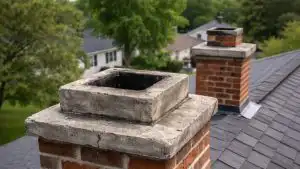
6. Chimneys Without Caps
An uncapped chimney offers open access. Mice and other wildlife climb down and move into nearby attic areas.
Chimney caps help block rodents while allowing airflow.
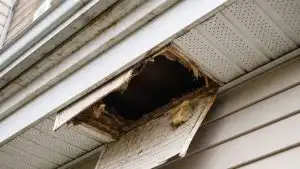
7. Loose Or Damaged Soffits
Soffits protect the underside of roof edges. When they loosen or crack, mice chew through soft materials and squeeze inside. This entry point often goes unnoticed until mice have already moved in.
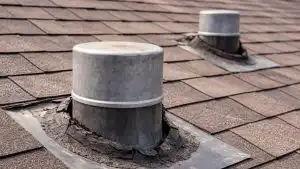
8. Roof Vents With Worn Seals
Old vent seals leave gaps. Mice test these areas repeatedly until they find a way through. Once inside, they move toward insulation and stored items.
9. Dormers And Roof Intersections
Dormers and roof joints hide small construction gaps. Mice use these hidden gaps to enter the attic quietly. Routine attic inspections help catch new entry points before mice return.

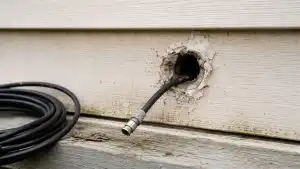
10. Old Satellite Or Cable Holes
Unused cable holes are a common problem. Without sealing, mice find and reuse them. These old openings often lead straight into attic walls.
11. Tree Branches Touching The Roof
Tree branches act like ladders. Mice climb them to reach the roof and search for openings. Keeping branches trimmed helps prevent mice from accessing the attic.

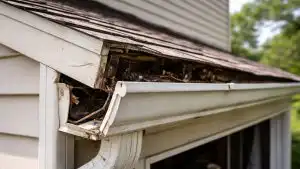
12. Gutters Pulling Away From The Home
Loose gutters create gaps and provide climbing paths. This combination makes roof access easy for mice.
13. Garage To Attic Pathways
Garages often serve as the first entry point. From there, mice move through shared walls into attic areas.

14. Construction Gaps In Newer Homes
Even newer homes may have small gaps around framing and vents. Mice can enter before homeowners notice signs of mice.
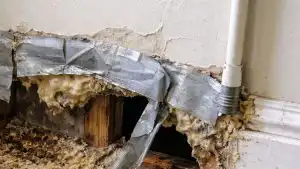
15. Failed Past Repairs
Steel wool, foam, and sealants break down over time. Mice chew through repairs and reenter the home. Old repairs often become new access points.
Once entry points are identified, the next step is understanding proven methods for getting rid of rodents in the attic without risking further damage.
Why DIY Mouse Control Often Falls Short
Homeowners often try bait, snap traps, or store-bought products to eliminate mice. These methods may catch a few mice, but they do not stop the infestation.
DIY efforts usually miss hidden nests, attic contamination, and secondary entry points. Poison also poses risks to pets and children and can leave odors inside walls.
Without complete removal and sealing, mice return. Recurring mouse activity indicates it may be time to call an exterminator for effective relief.
Mice from Your Attic Can Cause Health and Safety Concerns
Mice leave behind droppings, urine, and saliva that affect air quality. These can spread bacteria like Salmonella and trigger allergies.
Chewed electrical wiring increases fire risk. Fleas may spread from rodents into living spaces.
The longer a mouse infestation continues, the greater the risk to the home and family. Mice are also opportunistic eaters. Even if you leave pet food out, mice will accumulate in that space.
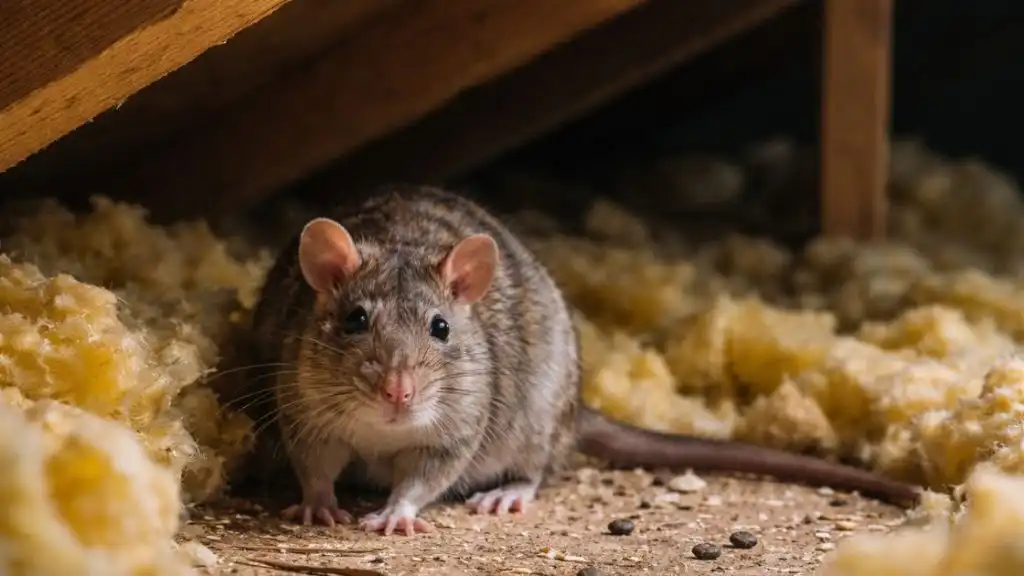
We Identify the Signs When Mice Get Into the Attic and Prevent Mice from Returning
Professional mouse control focuses on removal, exclusion, and prevention of mouse infestations when mice have made your home their home. At Titan Pest & Wildlife Solutions, we thoroughly inspect the entire structure to identify every potential entry point that mice in the attic may enter. Therefore, eliminating mice requires professional assistance.
We remove mice humanely, seal openings with durable materials, and help prevent future infestations. This approach protects the attic and the rest of the home.
Our Step-by-Step Approach For Getting Rid of Mice in the Attic: We Eliminate a Mouse Infestation Quickly
Homeowners working with our team receive?
- A free inspection of the attic and crawl space
- Identification of all entry points
- Humane mouse removal
- Rodent-proof sealing and repairs
- Attic cleanup when needed
- Long-term prevention guidance
Each step helps restore comfort and safety.
Long-Term Prevention Tips for Getting Rid of Mice in Your Attic
To help keep mice out:
- Seal gaps with wire mesh
- Repair siding, vents, and soffits
- Remove food sources
- Schedule inspections
These steps help keep mice from your attic.
Common Questions We Hear From Homeowners Who See Signs of a Mouse Infestation
The following FAQ about signs of a mouse infestation will give you a better idea of what to expect.
How can I tell if there are mice?
Scratching sounds, droppings, squeaks, and scurrying noises at night are common signs.
What are signs of a mouse infestation?
Gnawed wiring, nests, droppings, and odors point to activity.
Can mice come back?
Yes. Without sealing entry points, mice often return.
Why Homeowners Trust Titan Pest And Wildlife Solutions When They See Signs of Mice
We provide humane rodent control across St. Louis. Our team understands local homes, seasonal patterns, and the behavior of rodents. Since mice are attracted to anything stored in the attic, we’ll ensure all measures are taken to prevent the return of mice in attic spaces. If mice are getting inside, mice may need to be removed, using several solutions.
We focus on lasting results, not short-term fixes.
Prevent Mice from Returning to the Attic
When mice get into your attic, damage builds fast. Traps alone rarely solve the problem. When you have a rodent infestation, you need to contact a professional. Mice in the attic can lead to more severe mouse problems inside your home. Don’t rely on mouse traps alone.
Titan Pest & Wildlife Solutions helps homeowners remove mice and protect their property with care. We successfully remove all types of rodents, including squirrels. Don’t allow mice in your attic to disrupt your peace of mind. Mice won’t go away on their own.
Call Titan Pest & Wildlife Solutions at (314) 720-8857 today for expert mice control services. We are here to help you feel safe and confident in your home.