
If you’ve noticed raised tunnels, squishy patches in your lawn, or fresh piles of soil scattered around your yard, you’re likely dealing with a mole. When a mole tunnel spreads under the turf, the ground feels soft, uneven, and frustrating to walk on. These burrowing animals move fast, and their tunnel system can expand quickly. At Titan Pest & Wildlife Solutions, we help homeowners manage mole problems every day using safe mole trapping methods. Many people try to catch moles on their own but soon learn that trapping a mole takes skill, timing, and knowledge of how moles dig and find food. One active mole can create long surface tunnels and deep tunnels in a short amount of time.
This guide explains how moles behave, how to find an active mole tunnel, how to place the trap, and when it’s time to call for professional mole removal. Our goal is to help you understand the problem and catch those moles in a humane way that protects your yard, your family, and your pets.

What Attracts Moles to Your Yard?
Moles show up in yards because the soil attracts worms, and worms are a mole’s main food source. A healthy and vibrant lawn often attracts worms and grubs, which then attract moles. When moles dig through loose soil, they follow feeding tunnels in search of earthworm activity. Moles tend to stay in areas where the soil stays cool and easy to dig, which is why gardens and lawns with steady moisture often develop mole problems. An eastern mole can dig several new tunnels in a single day, creating loose dirt and fresh mounds across the yard.
If your yard has soft turf and plenty of worms, moles may settle in quickly. Even one active mole can make the yard look like several burrowing animals are present because their underground tunnels spread in multiple directions. This is why trapping methods often focus on identifying the main feeding areas before setting traps.
How to Identify Mole Activity
You can look for common signs of moles in your yard by stepping on a raised tunnel and watching for movement later to confirm the burrow is still in use. If the tunnel rises again, it means the mole is still using that path, and you’ve found an active mole tunnel. These surface tunnels form just below the soil surface, where moles dig for worms and grubs. You may also see a molehill or several mounds in random spots, which indicates deeper burrow activity. Unlike gopher mounds, mole mounds are rounder and shaped differently.
Mole damage becomes obvious when the turf starts sinking or shifting under pressure. When moles make feeding tunnels, they push soil upward and leave loose dirt scattered across the yard. Since moles may abandon certain tunnels and return to others, it helps to identify active tunnels before setting traps. When homeowners can identify active mole tunnels, trapping becomes more effective.
Are Moles Dangerous?
Moles are not dangerous, but they can cause major mole damage to lawns. Their underground tunnels weaken the soil surface, making the yard feel unstable. When moles dig deep tunnels, they loosen soil so much that back filling becomes harder later. Even though a mole avoids people, mole problems can attract voles or mice because abandoned tunnels make it easier for these pests to move around.
Children and pets may step into soft areas created by underground tunnels, which can cause injuries. While moles don’t chew on wires or wood, a damaged lawn still creates hazards. While they aren’t a direct threat to humans, understanding why you shouldn’t ignore a mole problem is vital, as their tunnels can lead to significant lawn damage and attract other pests. This is why homeowners often want to get rid of moles quickly, before more feeding tunnels appear.
DIY Mole Trapping: What Works and What Doesn’t
Homeowners try many trapping techniques, but the most effective way to catch a mole is by placing a mole trap directly over an active mole tunnel. Using traps like a harpoon trap, scissor trap, or loop trap can work well when you set the trap in the right spot. A harpoon trap uses a strong spring and sharp tines that drive downward when the mole pushes against the trigger pan. Other killing traps use jaws of the trap that clamp down when triggered.
Methods like flooding tunnels or using repellents do not trap moles. These tactics may disturb the tunnel system but rarely remove the mole. Some traps allow you to use a live trap approach, but most homeowners prefer quicker trapping methods that target the main tunnel and push directly over the run. If you place the trap incorrectly or in an inactive area, the trap may not trigger.
Many DIY attempts fail because homeowners don’t identify active tunnels first. Also, if you don’t hold the trap steady in the soil, it won’t activate when the mole moves through. When using traps, you often need to set the trap several times in different spots before you catch the mole.
Step-by-Step: How to Catch Moles in Your Yard
Step 1
Press a tunnel down and watch for movement later. This helps you identify active tunnels before you set the trap.

Step 2
Follow the straight line of the tunnel. These are travel routes moles use often. Trapping methods work best when you trap over the run instead of a random feeding tunnel.

Step 3
Choose a mole trap that fits your soil. A harpoon trap works well in firmer soil, while a scissor trap may work better in loose dirt.

Step 4
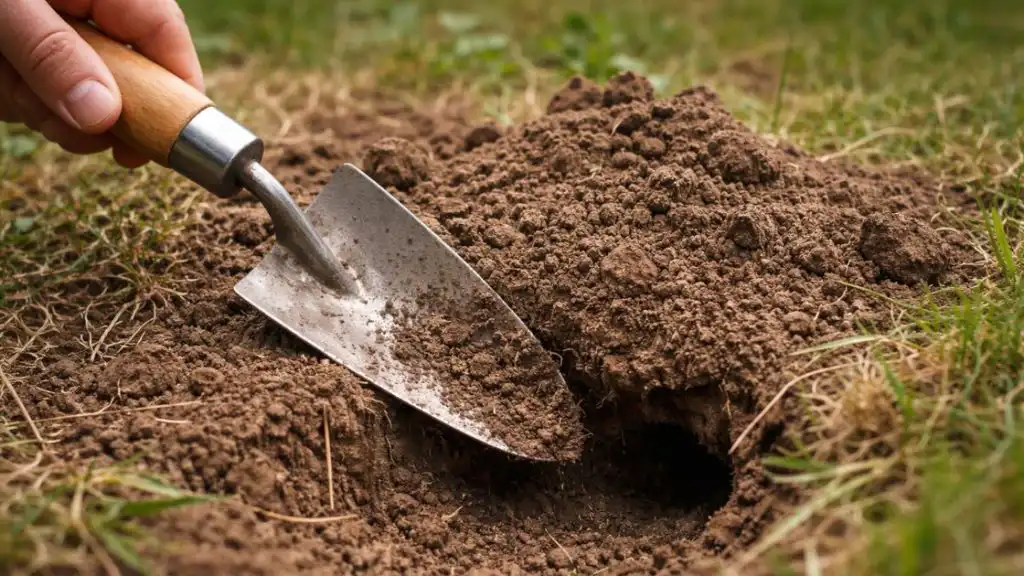
Use a spade or trowel to open the tunnel slightly. This makes room to place the trap correctly. Keeping the trap in place snugly improves the chance of success.
Step 5
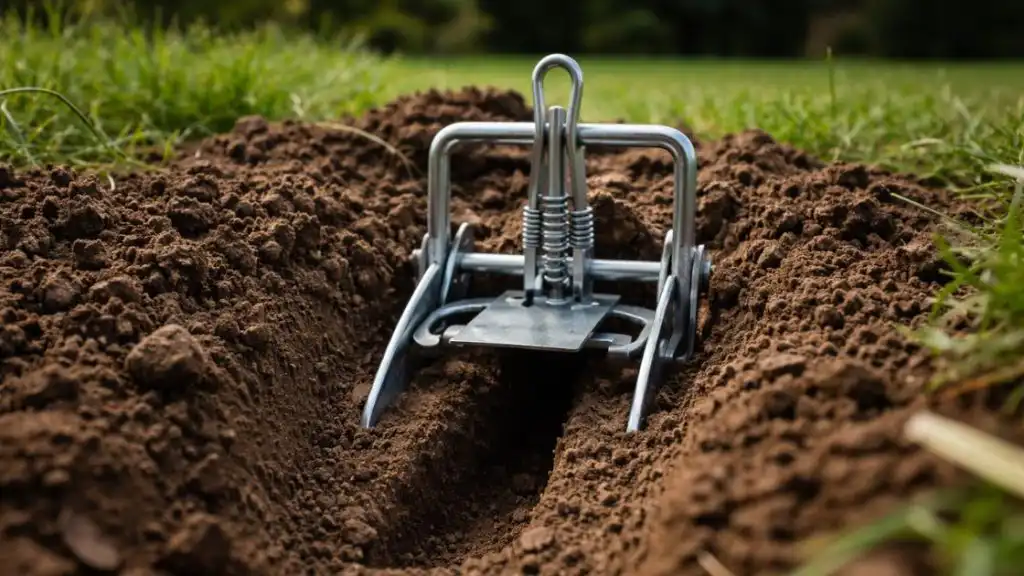
Set the trap so the trigger pan sits right above the center of the tunnel. This is where moles dig through and push soil upward.
Step 6
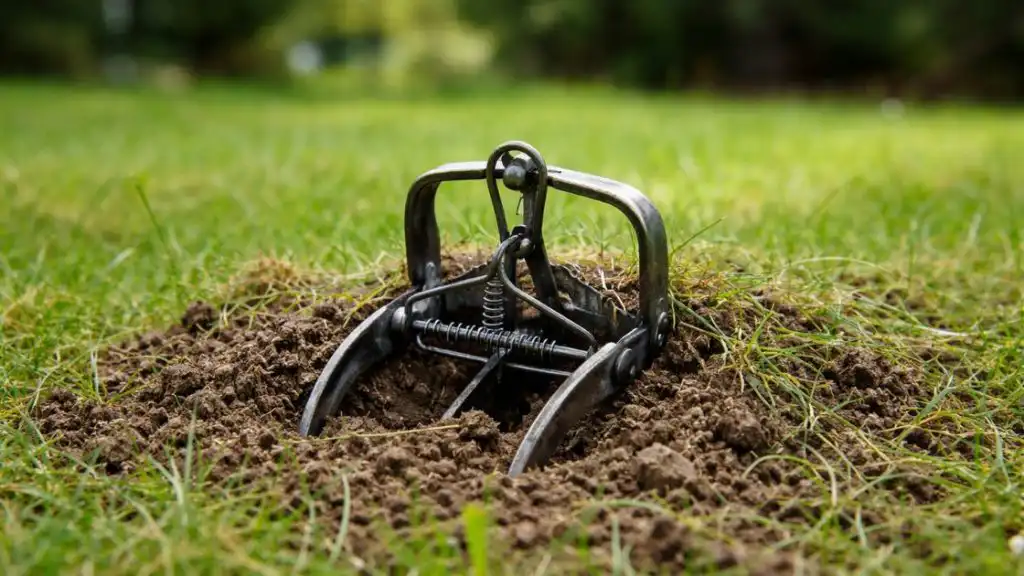
Cover the trap lightly with grass or soil. This prevents light from entering the tunnel and encourages the mole to continue using that path.
Step 7
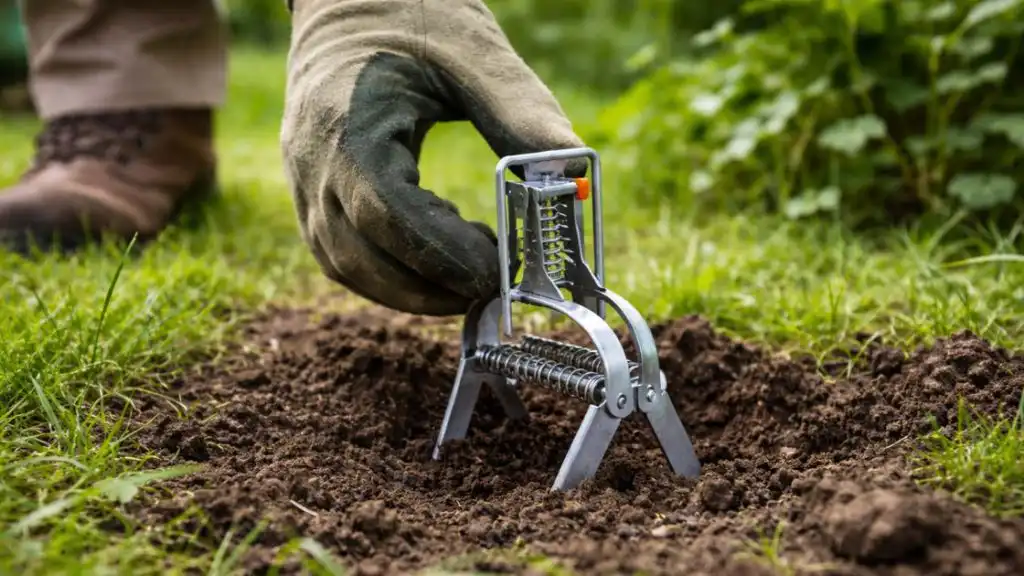
Check the trap frequently. When you check your trap, look for soil movement, spring release, or tunnel disturbance.
Step 8
Repeat the process if needed. Moles make new tunnels often, so trapping may take time. But when you identify active tunnels accurately, it becomes the most effective way to catch moles and rid your lawn of moles.
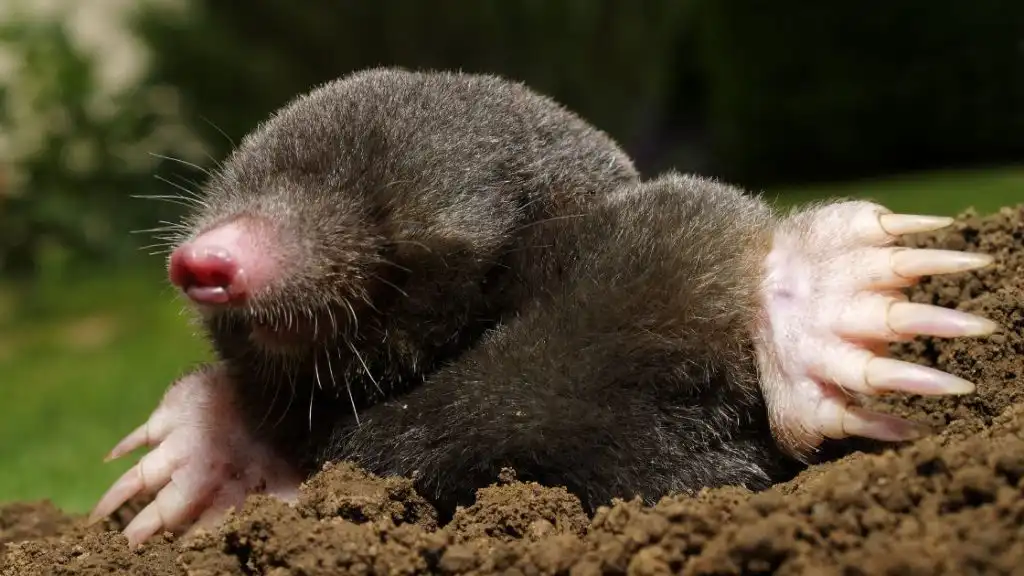
DIY vs Professional Mole Trapping
DIY trapping can work, but it requires patience and a good eye for active mole tunnel patterns. Moles tend to move fast and often switch between surface tunnels and deep tunnels. Because moles dig constantly, homeowners often struggle to keep moles under control without guidance.
Professional mole trapping takes the guesswork out of the process. Our team understands where to place the trap, how to identify active tunnels, and which trapping techniques work best in certain soil types. We also use wildlife management practices that focus on safety and humane removal. When we handle mole removal, we protect children and pets by placing traps safely and securely.
Our experience helps you manage mole problems faster and with less stress. Instead of guessing which tunnel to target, we identify active areas and set the trap with precision.
Why Choose Titan Pest & Wildlife Solutions
We specialize in mole removal and pest control across St. Louis. Our team knows how moles dig, where they burrow, and what attracts moles to well-maintained yards. Our trapping techniques are based on real field experience, soil habits, and the behavior of both surface tunnels and underground tunnels. We always aim to trap effectively while using non-toxic, humane approaches whenever possible.
We provide:
-
Correct identification of active tunnels
-
Safe and accurate placement of mole traps
-
Guidance on preventing future mole problems
-
Wildlife management practices that protect families and pets
-
Long-term solutions to keep moles out of gardens and lawns
We also educate homeowners about back filling tunnels, aerating the lawn, and using wire mesh barriers in feeding areas to prevent new tunneling.
Long-Term Mole Prevention Tips
Once you catch a mole, preventing new activity becomes the next goal. Moles may return if food levels stay high or if the yard stays damp. Improving drainage and reducing grub levels can help manage soil conditions. Aerate the lawn regularly to create firmer ground. Moles tend to avoid compact soil because it’s harder to push through.
Flatten old tunnels by walking over them or using a roller. This removes air pockets and prevents other burrowing animals from reusing the tunnel system. If you want to keep moles from returning, we can help you manage soil conditions and maintain a healthy and vibrant lawn through seasonal services.
Frequently Asked Questions about Mole Trapping and How to Catch Moles in Your Yard
The following FAQ about mole trapping will give you a better idea of what to expect.
What’s the fastest way to catch a mole?
The fastest way is to set the trap directly over an active mole tunnel and check the trap often.
Do moles leave on their own?
Moles may leave if food drops, but they usually return when the soil attracts worms again.
Can repellents get rid of moles?
Repellents may reduce activity, but trapping remains the most effective way to catch moles.
Are mole traps safe around pets?
When you cover the trap properly and place it underground, it can be safe, but professional mole trapping offers better protection for children and pets.
Stopping Mole Damage Through Proper Trapping
Moles can cause major damage in a short time by digging tunnels under the turf and creating mounds across the yard. Trapping a mole is the most reliable way to stop the problem, but it requires identifying active tunnels and placing the trap correctly. DIY methods can help, but professional mole removal offers faster results and more peace of mind. At Titan Pest & Wildlife Solutions, we use humane trapping methods and proven techniques to catch moles safely and restore your yard.
Call Titan Pest & Wildlife Solutions
By combining consistent trapping with preventive soil maintenance, you can focus on keeping your yard free from destructive diggers all season long. If you need help catching a mole or stopping new mole problems, we’re here for you. Call Titan Pest & Wildlife Solutions at (314) 720-8857 for a free inspection and friendly expert support. We’ll help you get rid of moles in a safe, effective, and humane way.