
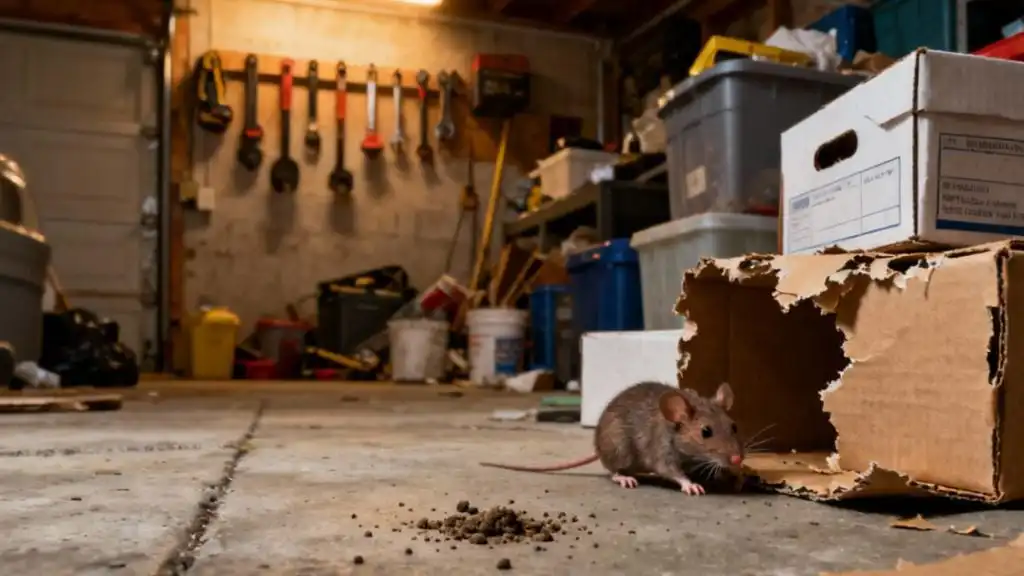
Mice sneaking into your garage can turn into a real headache. They chew through insulation, leave droppings on shelves, and can damage wiring or stored belongings. Many homeowners in the St. Louis area encounter this issue during the fall and winter months, when mice seek warmth and food. Even one small opening can lead to a full mouse infestation in your garage.
We work with families and business owners across St. Louis every day, and one thing is clear: a garage is one of the easiest places for mice to enter. But with the proper steps and proven mice control strategies, you can keep rodents away and protect your home. This guide walks you through everything you need to know. You’ll learn the signs to watch for, simple fixes you can make, and when it’s time to call a professional pest control team like Titan Pest & Wildlife Solutions.
What Attracts Mice to Your Garage
Garages offer food, shelter, and quiet hiding spots. When a garage is warm, cluttered, or has even the smallest openings, it becomes an attractive haven for mice. Dog food, bird seed, and other stored items give them something to eat. Cardboard boxes and shredded paper make perfect nesting materials. Even a tiny crevice around the foundation can invite them in.
Many garages also have unprotected entry points. A gap under the garage door, cracks in the corners, or openings where pipes enter the wall can let mice enter with ease. They only need a space the size of a pencil. Once one mouse gets inside, others often follow. This can lead to a mouse infestation that grows faster than people expect.
What Are the Signs of a Mouse Infestation?
You might have mice if you notice common signs of a mouse infestation, such as droppings, shredded paper, gnaw marks, or scratching sounds. You may also notice a stale odor or small tracks along walls. “These signs often appear before you ever see a mouse, and understanding how to detect mice in your home helps you catch issues early.
- Why Can’t I Get Rid of Mice When I Set out Bait? I Still Have a Mouse Infestation
Mice return when they smell old scent trails or find new openings, which is why homeowners often ask how to permanently get rid of mice.
- Can Mice Damage My Car or Stored Items?
Yes, mice can chew wiring inside your vehicle, damage insulation, and nest in storage boxes. They use cardboard and paper to build nests and often hide along the sides of stored tools or stacked items.
- Is It Safe to Clean Mouse Droppings on My Own?
Cleaning droppings without proper gear can expose you to harmful bacteria. If droppings are widespread, it is safer to seek professional help.
Ways to Keep Mice Out of the Garage: Keep Mice Away Permanently
Below are steps that help protect your garage. These methods work best when used in conjunction with each other. Each step focuses on removing food, blocking entry points, and making the garage less attractive to mice.
1. Seal Gaps and Crevices
This is our first recommendation. Most mouse problems start with small openings. Check around the garage door, corners, foundation, and spots where utilities enter the wall. Look for any crevice a mouse could squeeze through.
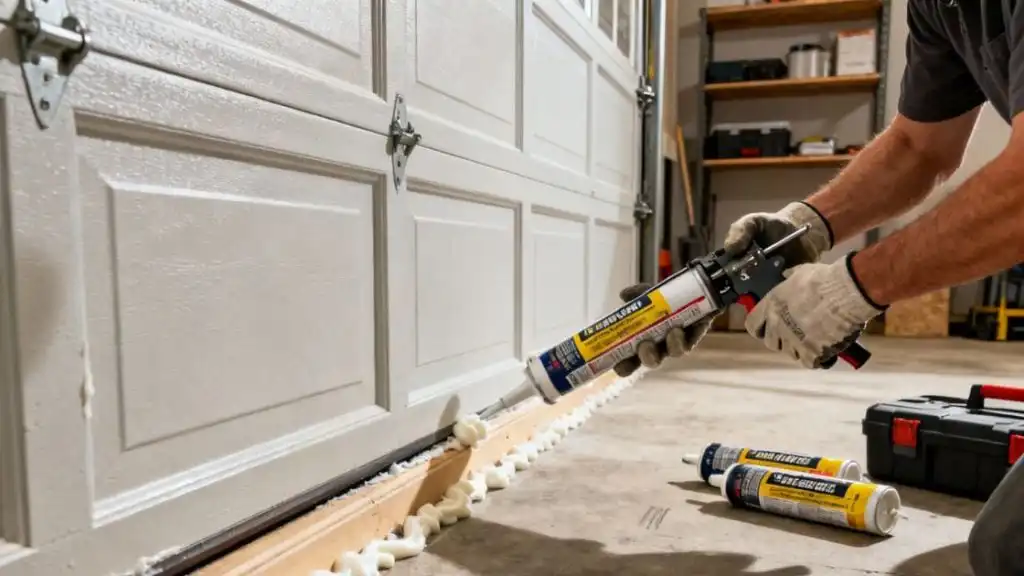
Use caulk for small cracks. Fill slightly larger openings with steel wool and cover them with a suitable material. Steel wool stops mice from chewing through the patch. For wide gaps under the garage door, use a door sweep to seal the area. This keeps your garage tightly sealed, making it harder for mice to enter.
Walk along the perimeter from ground level. Many openings hide low in corners. You can also check for gnaw marks from past activity. If you notice heavy chewing or multiple openings, this may indicate a growing rodent infestation that requires attention.
2. Remove Food Sources
Food in the garage is one of the biggest reasons mice return. Move dog food, bird seed, grass seed, and pantry extras into airtight containers. Plastic containers or metal containers keep rodents out. Bags of pet food or bird seed are easy for mice to chew through.

Check for spills on the garage floor or open trash bags. Sweep up crumbs or debris, and store bins with tight lids. If you keep pet food near the garage door, consider moving it farther inside or storing it in heavy containers.
Mice love easy meals. Removing these food sources helps keep mice away before they establish a permanent residence.
3. Cut Down Clutter and Nesting Materials
Cardboard boxes, shredded paper, and old bags make excellent nesting materials for mice. When a garage is cluttered with stacked boxes or loose items, mice have plenty of places to hide.

Switch to plastic containers. Keep items stored a few inches off the ground. Avoid keeping piles of paper, old fabric, or cotton materials on shelves. If mice snoop around, these items can encourage a mouse infestation in your garage.
Walk through your garage and look for anything soft or easily shredded. Store these items securely. This simple change removes the comfort mice look for.
4. Use Traps Correctly
Traps can be helpful, but their placement is crucial. Set snap traps or spring traps along walls where mice travel most frequently. They run along edges instead of across open floors. A trap baited with peanut butter works well. Use several traps in one area instead of only one.
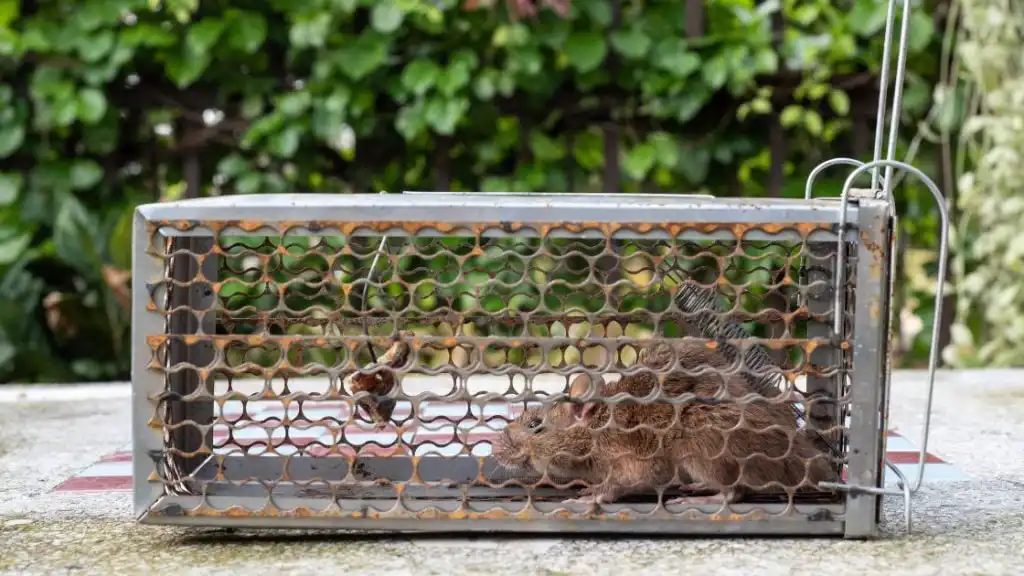
Glue traps and live traps can be helpful in some instances, but they often aid in monitoring rather than achieving long-term results. Poison bait is not the best option for a garage since mice can carry it into hidden areas. This can lead to dead mice in inaccessible areas or hard-to-reach places.
If traps catch only one or two mice but activity continues, the problem may be bigger than you think.
5. Use Peppermint Oil and Light Repellents
Cotton balls with peppermint oil can help repel mice for a short time. These methods do not stop an active mouse infestation, but they can help reduce activity between sealing and clean-up. Repellent sprays can help near door edges or shelving areas. Mice become accustomed to smells quickly, so these options are most effective when combined with other measures.

6. Keep the Garage Dry and Clean
Check for leaks or damp corners. Mice look for shelter, food, and water. If water collects on your garage floor or humidity remains high, the space becomes a breeding ground. A quick check of corners, stored items, and bins can make a difference.
Cleaning droppings, old nesting materials, or torn paper also helps break scent trails that attract mice.
7. Trim Grass and Clear the Perimeter
Grass and shrubs that grow tall around the foundation give mice an easy pathway to your garage. They hide in the thick growth and move along the edges until they find a small opening. Keeping the area trimmed makes your garage less attractive. Remove piles of leaves, wood scraps, or cardboard near the walls. Mice use these as shelter and stepping stones. A clean perimeter helps you spot gaps sooner and makes it harder for mice to approach without being seen. Simple yard care around the foundation is one of the easiest ways to protect your garage from unwanted activity.

8. Move Bird Feeders Away From the Garage
Birdseed is one of the biggest reasons field mice gather near homes. When bird feeders sit close to the garage, dropped seed spreads across the ground. This creates a trail that leads mice straight to the wall.

They follow the scent and begin exploring for food sources or warm spots. Moving feeders farther from the garage helps break this cycle. Clean up spilled seed every few days, and check for seed bags stored near the entrance. Anything that smells like food will attract mice, so minor adjustments make a noticeable difference.
9. Tighten or Replace Outdoor Trash Lids
Trash cans with loose lids that emit strong scents attract mold in the garage. They can climb into open cans or chew through weak plastic. Using bins with tighter lids keeps smells contained and makes the area less appealing.

Keep cans a short distance from the garage door to avoid drawing mice directly to the structure. Clean up any spills under the cans, since leftover scraps linger and attract rodents. When trash stays contained, you remove a significant draw for mice in the area.
10. Inspect Utility Line Openings
Utility lines often leave hidden gaps where they pass into the garage. These openings are common entry points for mice because they follow the warmth of pipes or cables. Inspect water lines, electrical conduits, and cable lines for gaps that may be small but still large enough for a mouse to enter.

Fill narrow spaces with caulk and use steel wool for spots that look wide or deep. This extra step blocks entry routes that are often overlooked. Many homeowners deal with repeat activity simply because one small opening stayed unnoticed.
11. Replace Damaged Weatherstripping and Insulation
Weatherstripping around the garage door deteriorates over time, especially in areas with significant temperature swings, such as St. Louis. Once the strip wears out, even a thin gap can allow mice to slip inside.

Replace sections that look cracked, loose, or flattened. Also, check the insulation around the frame. Mice often chew on soft insulation when they enter or nest in a structure. Fresh insulation and new weatherstripping help seal the garage and prevent air leaks that can attract rodents to the opening.
12. Avoid Storing Food or Grass Seed Near the Door
Many families place extra food items or grass seed near the garage door for convenience. Mice are attracted to these scents, even when items are sealed in bags. Grass seed, dog treats, and similar items emit enough scent to attract rodents to the area.

Store these items farther inside the garage or on higher shelves. Use airtight containers to prevent the smell from escaping. When the strongest food scents sit away from the doorway, mice are less likely to stay near the entrance long enough to find a way inside.
13. Lift Storage Off the Floor
Storage placed directly on the floor creates dark hiding spots where mice can settle in. When items stay lifted, the garage becomes harder for mice to navigate. Use simple shelving, wall hooks, or stackable plastic bins for storage. This makes the space more organized and easier to inspect.
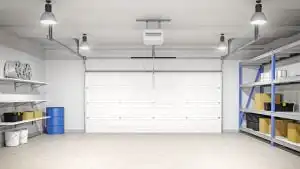
If mice wander into the garage, they have fewer places to hide or build nests. You also spot droppings, shredded paper, or other signs faster. A raised storage system is a strong prevention step, especially in garages with heavy tools or large items.
14. Close the Garage Door More Often
A garage door that stays open for long periods is an open invitation for mice. They can enter during a quick moment when you unload groceries, work on a project, or let pets in. Make a habit of closing the door sooner, especially at dusk and dawn when mice are more active.
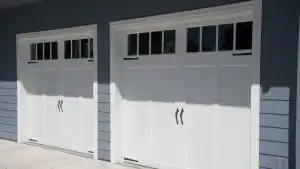
Even a few minutes of exposure can give them enough time to slip inside. Keeping the door closed not only helps prevent mice but also reduces humidity, keeping your stored items safer.
15. Schedule a Professional Inspection When Signs Continue
If you continue to find droppings, hear scratching, or notice new gnaw marks, a professional rodent control inspection can help. Mice often enter through hidden gaps behind shelves, inside wall corners, or near attic access points.
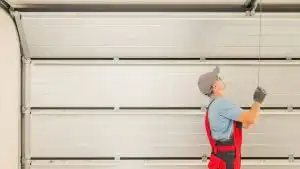
These areas are tough to check on your own. A trained technician can find openings you may never notice and identify early signs of a larger mouse infestation in your garage.
Once the inspection is complete, a full exclusion plan stops mice from entering and helps prevent future infestations. When signs recur repeatedly, hiring a professional saves time and protects your home in the long term.
Why DIY Fixes Fail If You Have a Mouse Infestation in Your Garage
Many people try quick fixes, but they still see mice returning. Mice breed rapidly, and a single pair can produce dozens in a year. They follow scent trails from past activity and find openings that homeowners often miss.
DIY methods often focus on catching mice but not blocking new ones from entering. A gap near a pipe, a worn garage door seal, or a crevice around the foundation can undo all your work. The longer mice stay in the area, the more comfortable they become.
In some garages, mice travel between walls, attics, and storage shelves. A few traps cannot fight a whole colony. When the problem reaches this point, professional rodent control is the most dependable way to stop it.
When to Call a Professional Pest Control Team
You should reach out when
• You see a mouse more than once
• Droppings return even after cleaning
• You notice chewed bags, wiring, or insulation
• You hear scratching sounds in the walls or ceilings
• Traps catch one mouse, but activity continues
• There is a strong odor coming from hidden areas
These signs indicate the presence of more than one mouse. At this stage, trapping alone will not be sufficient to solve the problem. You need a full inspection and exclusion plan.
Prevent Mice from Returning with the Help of a Professional Exterminator
A garage offers protection from the weather, predators, and noise. When temperatures drop in St. Louis, field mice look for indoor shelter, and garages are often the first place they find. If your garage has food sources or nesting materials nearby, it becomes even more attractive. Look for signs of mice in the garage. Check around the perimeter, both inside and outside, of the garage. You may see damage, tracks, or droppings.
How Titan STL’s Rodent Control and Exclusion Work
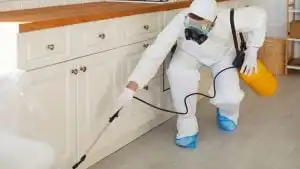
Our team focuses on long-term prevention, not just quick trapping. We start by inspecting the whole structure, including the garage, exterior walls, foundation, attic, and entry points. This helps us identify gaps that homeowners often overlook.
We use heavy-duty materials that mice cannot chew, and we seal openings with patches that last. Our rodent control treatments are designed for families with kids and pets. For homeowners seeking natural or eco-friendly options, we offer safe therapies that protect the home without using harsh chemicals.
Some garages have wildlife activity that connects to mice. Bats, squirrels, or raccoons can bring nesting materials or open new gaps. Our wildlife removal experience enables us to identify problems early and address them humanely.
Commercial clients often require reports or documentation for compliance purposes. Our pest management approach meets those needs, including regular monitoring and ongoing intervention.
Titan’s Rodent Shield and Garage Protection Service
This service covers inspection, sealing, trapping, and long-term monitoring. We look for openings around the foundation, gaps in the garage door, cracks near utility lines, and damaged weatherstripping. From there, we patch every access point and remove nesting materials. We focus on keeping mice away long after the visit ends.
Many homeowners opt for this service when they want comprehensive protection against future infestations. Once mice find an entry point, they usually return. Blocking those spots and cleaning scent trails stops that cycle.
We explain every step, so you know exactly what is happening in your garage. Our goal is to give your family peace of mind and a garage that stays clean, safe, and protected.
Frequently Asked Questions (FAQ)
The following FAQ covers how to prevent, identify, and eliminate mice in your garage.
How do I keep mice from entering my garage?
Seal gaps, remove food, and store items in airtight containers. Keep clutter to a minimum and use traps along walls as needed.
What repellent keeps mice away?
Peppermint oil, repellent sprays, and certain scents can provide temporary relief but do not address the root causes.
What bait works the best?
Peanut butter is one of the most effective baits for snap traps and spring traps.
Do ultrasonic devices work?
They may reduce activity in small areas, but mice often return once they get used to the sound.
How can I make my garage door mouse-resistant?
Add a door sweep, replace worn weatherstripping, and seal gaps along edges and corners.
Is peppermint oil enough to keep mice away?
It temporarily repels mice but does not eliminate an active infestation.
Should I use poison bait in the garage?
Poison bait can lead to dead mice in walls and hidden areas. Safer trapping methods are more effective for indoor spaces.
When should I call a professional exterminator?
If droppings continue, mice return after being trapped, or you hear activity in walls or ceilings, it is time to call a professional mice exterminator.
Call Titan STL When You See Signs of Mice Out of Your Garage and Inside
Keeping mice out of your garage can feel like a never-ending project, especially when you try to handle it on your own. A garage can have many openings, hidden cracks, and food sources that make it a perfect spot for rodents. With the proper steps, you can protect your home and maintain a clean and safe space.
For lasting results, our team at Titan Pest & Wildlife Solutions is here to help. We use proven methods, eco-friendly options, and practical exclusion work that keeps mice out and protects your home in the long term. When you want a clean garage and a safe house, our team is ready to solve the problem. Call (314) 720-8857.