
Many homeowners across St. Louis reach out to us when they notice something strange happening to their lawn. Soft spots appear out of nowhere. New ridges stretch across the grass. Fresh dirt mounds pop up overnight. When these changes show up all at once, it can feel confusing. You may wonder if moles are living under your lawn, and you may feel uncertain about what is really happening.
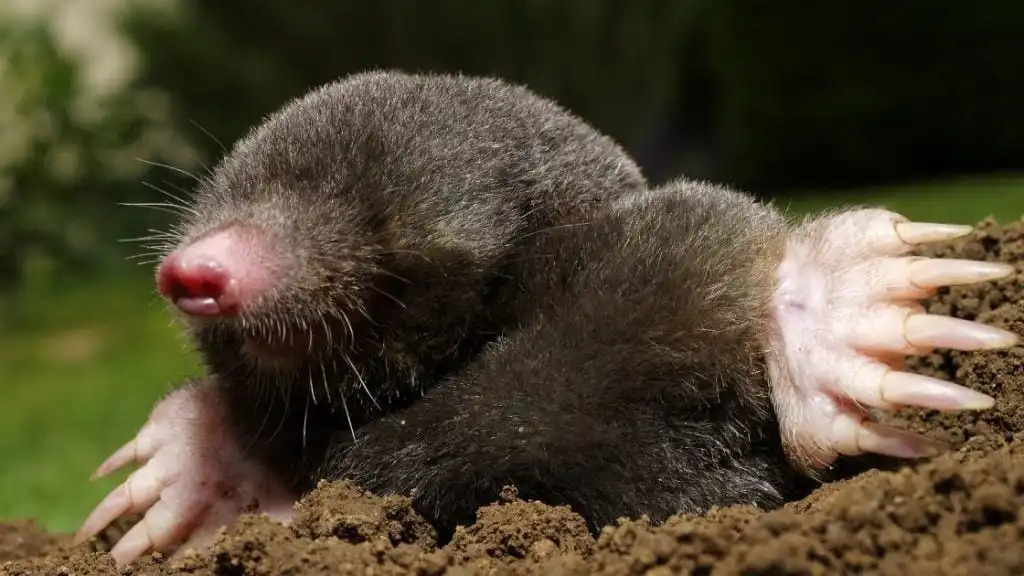
Controlling Mole Damage: Why You Need a Pest Control Service for Moles
Moles spend almost their entire life underground, so you rarely see them. Instead, you see the signs of mole activity. When a mole creates underground tunnels, the grass above begins to shift. The ground changes shape.
The lawn becomes uneven and more challenging to maintain. These small animals can create long networks of tunnels, and these tunnels can spread faster than most homeowners expect.
Our team at Titan Pest and Wildlife Solutions helps families and property owners across St. Louis confirm mole activity and protect their lawns. We understand how fast a lawn can change when moles dig below the surface. This guide explains the signs of a mole infestation, the reasons moles move into a yard, and the steps that help control the problem.
15 Common Signs of Moles in Your Yard
Below are the 15 signs that help homeowners identify mole activity with confidence.
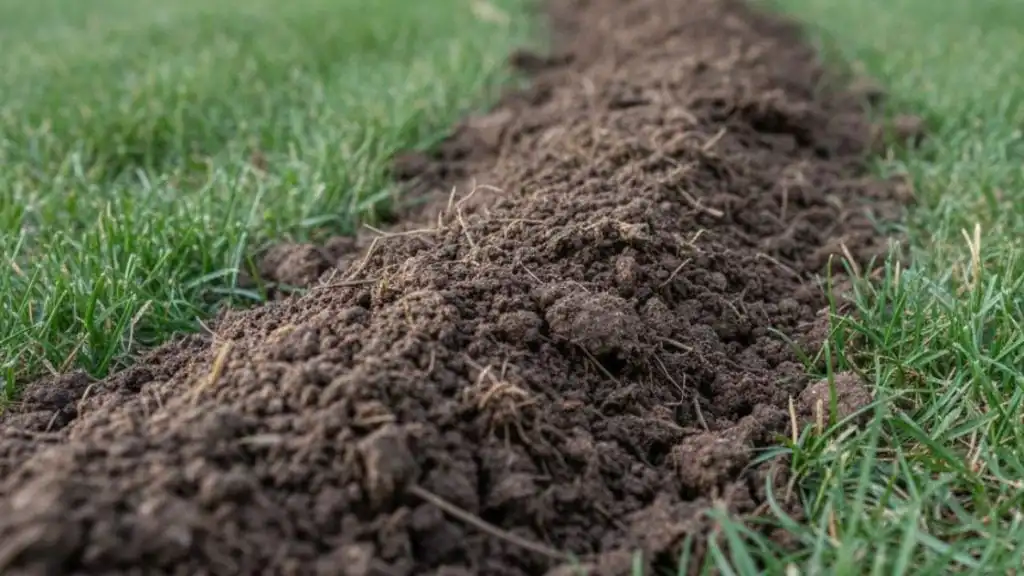
1. Raised ridges running across your lawn
Raised ridges are one of the most evident signs of moles. These lines stretch across the lawn and seem to be lifted from the soil. The ridge forms when a mole pushes dirt up while searching for earthworms and grubs. The ridge may feel springy when you step on it, which usually indicates that the tunnel is still in use.
2. Soft or spongy areas that sink under your feet
Soft patches that collapse slightly under your weight often point to mole tunnels. These spots form when moles dig shallow tunnels that weaken the support under the grass. The lawn may feel bouncy or hollow, which is a strong sign that something is happening underneath.

3. Cone-shaped molehills that appear overnight
Molehills are small mounds of loose soil that pop up without warning. They often look round or cone-shaped and break apart easily. These mounds form when moles clear dirt from deeper tunnels. Fresh molehills are crumbly and usually appear in groups.
4. Loose soil on top of the grass where a tunnel recently opened
You may see scattered soil on top of the grass in random places. This happens when a mole opens a tunnel or creates a small exit point. Instead of a whole mound, you see sprinkled dirt spread across the surface. This is common after rain or early in the morning.
5. Zig-zag tunnels that create uneven ground
Feeding tunnels often follow twisting paths. As a mole searches for earthworms and grubs, the route becomes uneven and bumpy. These zig-zag shapes create soft lines across the lawn. If the pattern spreads quickly, the mole is feeding often.

6. Patches of grass that turn brown even with regular watering
When tunnels lift the roots away from the soil, grass begins to fail. Watering does not fix the issue because the roots cannot reach nutrients. These brown patches often follow the same pattern as the raised tunnels, making the damage more straightforward to identify.

7. Plant roots that lift slightly because of tunneling under them
Garden beds and landscaping areas can shift when moles dig below them. Plant roots may lift enough to expose small gaps in the soil. Although moles do not eat plants, their tunneling can cause damage and stress to shrubs and flowers.

8. Longer runways that form in patterns across the yard
Runways are the main paths moles use to travel. These raised lines tend to be longer and straighter than feeding tunnels. Runways often connect to several smaller tunnels. When you see a long raised path stretching across your yard, that tunnel is likely a main route.

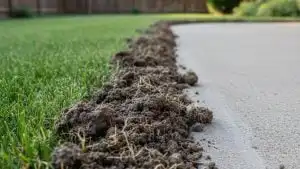
9. Soil pushed up near patios, driveways, sidewalks, or garden beds
Moles often follow the edges of hard surfaces. These areas hold more moisture and attract insects, which in turn attract moles. You may notice soil pushing up near the sides of patios or walkways. This usually means the mole created a deeper tunnel along the boundary.
10. Lines of raised grass that appear after rain
Rain softens the soil, making it easier for moles to push through. After storms, fresh ridges often appear across the lawn. These lines feel softer and may look darker because the wet soil rises close to the grass.
11. Ridges that feel hollow when you press on them
When you press on a ridge and it collapses slightly, you are touching an active tunnel. The hollow feeling means there is space underneath. If that ridge returns the next day, the mole is still using that tunnel.

12. Mounds of soil in scattered spots that were not there the day before
Multiple mounds across the yard usually mean an active tunneling system. Moles work quickly and often create several mounds in a short time. These mounds form after prolonged digging and can connect to deeper tunnels.

13. Pathways that reopen after you step on them
If you flatten a ridge and it rises again soon after, the mole is traveling through it. This is one of the simplest tests homeowners can use. Active tunnels always reopen when the mole returns.

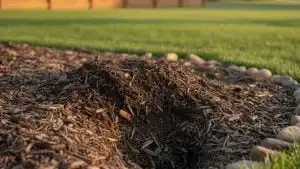
14. Areas where mulch or rock shifts from below because of deeper tunnels
Mulch beds and rock borders sometimes shift when moles dig below the surface. You may notice dips or raised spots in the landscaping. The loose materials move easily when deeper tunnels expand.
15. Sections of lawn that seem to sink slowly over time
A sinking lawn can develop after long periods of tunneling. The soil above collapses as the tunnels stay empty. This creates dips and uneven patches that become more noticeable each week. This usually shows that the mole activity has been ongoing for some time.

What Mole Tunnels Look Like in a Yard
Mole tunnels look like raised lines or soft tracks under the grass. These tunnels create runways that lead from one feeding area to another. Surface tunnels sit close to the top layer of soil and are easy to spot. Deeper tunnels are more complex to see, though you may feel the ground shift above them. Fresh tunnels have softer soil and look more pronounced.
What Homeowners Should Know About Moles
-
Why Moles Move Into Your Yard?
Moles follow their food. When a lawn has many earthworms and grubs, a mole may decide to stay. Soil that remains damp or loose makes digging easier. When homeowners water often or use rich fertilizer, insects grow in larger numbers. That attracts moles. Many St. Louis yards have soil that retains moisture, making mole activity common, especially during spring and fall when the soil softens.
-
Are Brown Patches Caused by Moles?
Brown patches form when tunnels disturb the root system. Grass cannot stay healthy when the roots lift away from the soil. Even though moles do not eat plants, their underground tunnels cause indirect damage. These brown spots typically align with the path of the tunnel.
-
Do Moles Come Above Ground?
Moles rarely come above ground. They prefer the comfort of their tunnels. Their eyes are small, and their bodies are built for digging, not walking on the surface. When a mole appears above ground, it may be searching for a new area or escaping flooded soil. If you spot one, the underground activity is likely extensive.
-
How Much Damage Do Moles Cause?
A single mole can make an extensive network of tunnels. These tunnels weaken the lawn, creating soft spots, raised ridges, and areas where the grass fails to grow. The damage can spread quickly. Tunnels make mowing harder and can harm roots. Over time, the lawn can become uneven and may require repair.
-
How To Confirm a Mole Problem?
You can confirm mole activity by gently pressing on the raised ridges. If the soil collapses, then rises again later, the mole is still using that path. Look for fresh soil on the surface or patches that sink when you step on them. When the signs are unclear, our team can inspect the lawn and map the active tunnels.
-
Why DIY Mole Control Fails?
DIY methods often fall short. Castor oil sprays may provide temporary relief, but moles typically return. Store traps require exact placement in active runways. If the trap sits in an unused tunnel, nothing happens. Moles move fast and create new paths, which makes timing important. When homeowners misread the signs, the problem continues.
-
How Long Does It Take to Get Rid of Moles?
Most homeowners see progress in a few weeks. During spring and fall, tunnels spread more rapidly, so treatment may require ongoing checks. Our team monitors tunnel activity and returns when needed. This steady approach helps clear the lawn and prevents new tunneling.
-
How To Prevent Moles From Returning
You can make your yard less inviting to moles by reducing heavy watering, improving drainage, and treating for grubs. Aerating the soil correctly and caring for weak patches also helps. When combined with mole control, these steps protect your lawn. Our seasonal lawn care plans support healthy turf and reduce the chance of new mole activity.
The Difference Between Moles and Voles
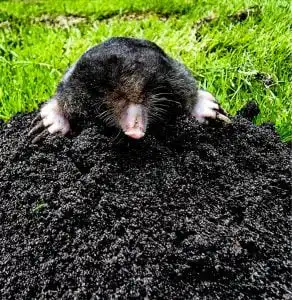
Moles vs voles, how do you make the distinction? Well, moles and voles cause different types of lawn damage. Moles live underground in burrows and bring soil to the surface. They create raised ridges and circular mounds of soil.
Moles are attracted to earthworms and grubs. Their snout and strong front paws enable the insectivores to move quickly through dirt in lawns and gardens. Therefore, the best course of action to take when moles burrow is to call a pest control company.
Voles are rodents that eat plants. While moles are carnivores or insectivores, voles are classified as herbivores. Voles chew stems, roots, and bark. They leave small holes on the surface and runways through the grass rather than raised tunnels. If plants are disappearing or cut low to the ground, you may have voles causing plant damage.
How Titan Pest and Wildlife Solutions Handles Mole Control
We follow a straightforward process that focuses on long-lasting results. Our team inspects your lawn to locate active tunnels, runways, ridges, and mounds. We check the soil for earthworms and grubs, since these food sources attract moles. We use targeted treatments that focus on active tunnels. Our approach prioritizes safety, which is crucial for families and pets in the yard.
After treatment, we provide steps that help prevent new mole activity. This includes tips for watering, grub control, and soil care. Many homeowners in St. Louis pair mole control with our Home Shield or Yard Guard plans, which help maintain a healthy lawn over time.

Frequently Asked Questions About Moles
Do moles leave on their own?
They may move when food disappears, though new moles often replace them.
Do castor oil products work?
They may provide temporary relief, but they do not address mole damage in the long term.
Are moles dangerous to pets?
Moles are small and avoid contact with pets. They do not attack.
Do moles eat plants?
Moles feed on worms and grubs. They do not eat plants.
What attracts moles to a yard?
Soft soil and an abundance of insects attract moles.
Can mole traps remove them for good?
Traps work when placed in active runways. Placement must be exact for success.
Call Titan Pest & Wildlife Solutions When You See Signs of a Mole Infestation and Need to Protect Your Lawn
Moles and voles make it hard to keep a lawn healthy. Their tunnels, soil mounds, and runways weaken the ground, damage roots, and leave the yard looking uneven. These issues spread quickly, which is why professional help is often needed to correctly identify and remove the pests—whether it’s moles, voles, or even gophers.
Raised ridges, soft spots, or fresh soil pushed to the surface often mean active tunneling beneath the lawn. Quick action helps stop the damage from spreading.
Our team at Titan Pest and Wildlife Solutions helps homeowners across St. Louis confirm what’s happening underground and restore their yard. If any of the signs in this guide look familiar, we’re ready to help you protect your lawn with effective mole and vole control. Call us now at (314) 720-8857.