
Rodents spread fast in apartment buildings. One mouse can slip through a tiny gap and end up inside your kitchen, behind your stove, or inside the walls. Once that happens, the rest of the building is at risk, which is why it’s important to understand how to avoid rodent infestation in apartment buildings before the problem spreads. Mice travel through pipes, vents, shared walls, and ceilings. They look for warm hiding spots and any food they can find.
At Titan Pest & Wildlife Solutions, we provide families, tenants, and property managers with reliable mouse control services throughout the St. Louis area. We see firsthand how stressful it is when rodents appear in a home or throughout an entire complex. This guide explains why apartments are a common target, how to prevent mice from entering, and when to enlist a professional team for comprehensive building protection.
Our approach is straightforward, friendly, and grounded in real-world field experience. Our goal is to help you protect your space with clear steps and proven methods that truly work.
Why Apartment Buildings Attract Rodents
Apartment buildings provide mice and rats with everything they need to survive. They need a warm place to hide and steady access to food and water. They also like dark areas where they can move through without being seen. Multi-unit buildings have plenty of these.
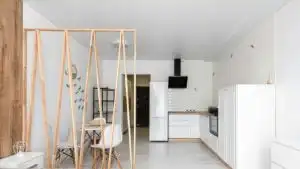
Typical rodent hotspots in apartments include
- Trash rooms
- Laundry rooms
- Basements
- Shared storage areas
- Under stairwells
- Utility chases
- Gaps around pipes
- Vents and wall openings
Older buildings in St. Louis often have small cracks along the exterior walls. These cracks may not bother the people living there, but they create perfect entry points for mice. Many complexes also have open crawl spaces or older insulation that makes nesting even easier.
Rodents prefer quiet, warm areas. They want a place where they can raise their young without being disturbed. Once they find a path inside, they follow it repeatedly. That is why one mouse can turn into a full-blown infestation across an entire building.
Common Signs of Mice in Your Apartment
It only takes a few small clues to know when rodents are present. These signs help you confirm early activity before it becomes a bigger issue and give you a chance to avoid rodent infestation in apartment buildings through early action.
- Droppings along walls or in cabinets
- Scratching on the walls at night
- Nests made from paper, insulation, or cardboard
- A musky odor near hidden areas
- Chewed packaging or gnaw marks
- Pets staring at walls or sniffing under appliances
If you see more than one of these, the mouse may not be alone.
How Mice Get Into Apartment Buildings
Mice get inside by slipping through cracks and openings around the exterior of a building. Once inside, they spread through pipes, vents, and gaps in walls.
Common entry points include:
- Holes around plumbing lines
- Gaps under doors
- Dryer vents
- Basement openings
- Cracks in foundation walls
- Roofline gaps
- Utility rooms
Once inside, they follow heat and food. They move between floors by climbing pipes or squeezing through gaps in the insulation.
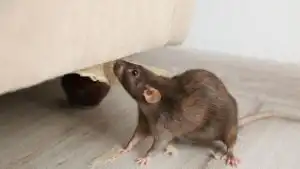
15 Ways to Prevent Rodent Infestations in an Apartment Building
These steps help tenants and landlords avoid rodent infestation in apartment buildings and prevent the problem from spreading throughout the entire structure. They work well when everyone participates, as mice can travel through shared walls, vents, and cracks.
1. Seal small gaps
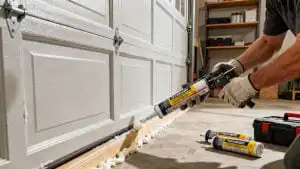
Use steel wool and caulk around pipes, vents, door frames, and cracks in the apartment building. This blocks many entry points that mice use when entering your apartment, highlighting the benefits of professional home sealing for long-term protection. Even a small gap can let a mouse squeeze through.
2. Store food in sealed containers
Loose bags and open boxes attract rodents fast. Keeping food in sealed containers removes easy access to food and helps prevent mice from settling in your kitchen or pantry.

3. Clean your counters
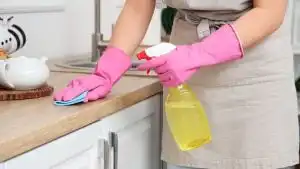
Wipe crumbs, grease, and spills. Even tiny crumbs can pull mice toward your kitchen. Keeping the area clean helps reduce food sources and lowers the chance of a mouse nest.
4. Keep trash bags tied
Loose trash gives rodents access to food and shelter. Tie trash bags and take them out often so mice do not find a reason to return.

5. Avoid leaving pet food out
Dry pet food is a common reason mice come inside. Pick up bowls at night to keep rodents out of your apartment.

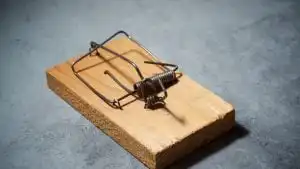
6. Use mouse traps in high-activity areas
Place mouse traps along walls where you see droppings, gnaw marks, or tracks. This helps eliminate mice that are already present in the unit.
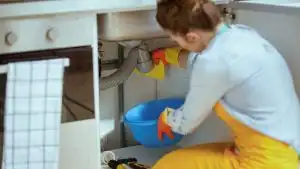
7. Report leaks
Rodents need water to survive. Report leaks or wet spots to your landlord so moisture does not turn into a long-term rodent problem.
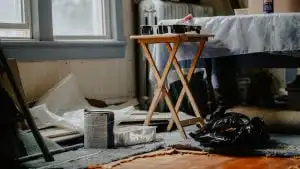
8. Reduce clutter
Cardboard boxes and piles of clothes give mice warm and cozy places to hide. Clearing clutter makes it harder for rodents to build a nest inside your apartment.
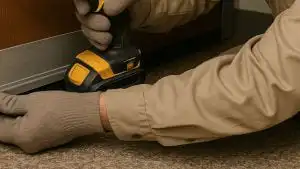
9. Install door sweeps
Gaps under doors give mice a quick way into a hallway or unit. Door sweeps help keep rodents out of your apartment and away from shared spaces.
10. Keep trash rooms clean
Trash rooms and laundry areas often attract rodents in apartments. Regular cleaning helps reduce smells, crumbs, and easy food sources.
11. Seal cracks in walls and floors
Small cracks help mice travel between units. Sealing these openings helps stop rodents from moving across the entire building.

12. Maintain dumpsters and outside trash areas
Rodents often start outside before moving into the apartment complex. Regularly cleaning dumpsters and maintaining steady trash pickup help prevent rodents from gathering near the building.

13. Add regular pest control visits
Routine visits from a pest control company help reduce activity and catch new problems early. This is particularly helpful for apartment dwellers and building managers seeking reliable protection.
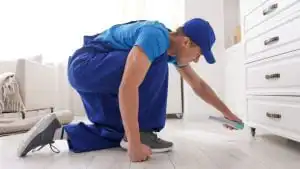
14. Request exclusion service
Professional exclusion work seals off the gaps that let mice and other rodents inside. This service keeps rodents out of your apartment and helps protect the whole structure.
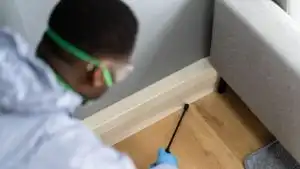
15. Educate tenants
Everyone living in the building should follow the same clean-up habits and food storage steps. This teamwork helps prevent mice from spreading from one apartment to the next.

Why DIY Rodent Control Often Fails in Apartment Buildings
Most do-it-yourself methods only work on single units, not whole buildings. Mice can hide inside walls, move to the next unit, and return later. When tenants only set traps inside their own space, they treat the symptoms without addressing the root cause, making it nearly impossible to avoid rodent infestation in apartment buildings.
Traps catch a few mice, but they do not block the entry points. Rodents can also avoid low-quality traps or learn new routes around them. Many complexes require coordinated services that cover every floor and every shared space. Without that teamwork, the infestation returns.
If you live with children or pets, DIY rodenticide can be risky. It is safer to let trained technicians handle these products.
How Professional Exterminators Treat Rodents in an Apartment Building
A comprehensive plan is the most effective way to prevent a rodent infestation in a large building. Our team follows a reliable and straightforward process that works for St. Louis homes and apartment complexes.
- Inspection
We inspect exterior walls, basements, attics, crawl spaces, vents, and utility lines.
- Sanitation review
We look for food or water sources that may be attracting mice.
- Exclusion
This is one of the strongest steps. We seal holes, cracks, and gaps with professional-grade materials that rodents cannot chew through.
- Rodent removal
We use traps, stations, and devices matched to the building layout.
- Ongoing service
Large buildings benefit from a routine schedule. This keeps activity low and blocks new entry points before problems spread.
How Strategic Exclusion Ended a Building’s Mouse Problem
A local twelve-unit apartment building had frequent mouse sightings for half a year. Tenants kept setting traps, but the problem kept returning. We inspected the structure and found several hidden gaps near the foundation, as well as two open utility lines leading into the walls.
Our team sealed those openings, added monitored stations, and reviewed sanitation steps with the property manager. Within two weeks, activity dropped by more than half. By the fifth week, the building had no active rodent signs. We continued quarterly service to keep it protected.
This type of result is common when exclusion and monitoring work together.
When to Contact Your Landlord or a Pest Control Team
Observing these signs will help you know when it’s time to call an exterminator for mice before the infestation spreads.
- You hear scratching at night
- You find droppings more than once
- Mice keep returning after traps
- You notice gnaw marks on food
- Neighbors report the same problem
- You see signs in shared spaces
Contact your landlord promptly to prevent the issue from escalating and ensure the building can take the right steps to avoid rodent infestation in apartment buildings. When an entire building is involved, a full-service plan is the best fix. Mice will still return when you don’t have professional help to address the issue. It’s essential to prevent their return, especially if they’ve managed to make a nest and settled into a building.
Why Titan Pest & Wildlife Solutions Is the Best Choice for Rodent Control in St. Louis
Our team understands how fast mice spread through apartments. We take a full-building approach that treats each unit and every shared space. We use safe methods for families with children and pets. Our exclusion work closes the gaps that let rodents enter. We also offer long-term protection plans for tenants, landlords, and property managers.
Our Local Rodent Control Services are Designed for Various Building Styles
We are familiar with the diverse range of building styles in St. Louis, which includes older brick structures and newer apartment complexes. This helps us find the hidden areas where mice may hide or travel. Our goal is to protect your home and keep your building rodent-free for the long run. We are aware of all the methods for treating a rodent problem in a building, including tips for maintaining cleanliness.
Whether we use bait stations, electronic traps, snap traps, or other methods, our pest control service is committed to successful removal when your building is infested.
Apartment Mice Infestations: Frequently Asked Questions (FAQ)
Why do I suddenly have mice in my upstairs apartment?
Mice reach upper floors by climbing pipes, plumbing lines, wires, and wall voids. They search for food and shelter, so once they find a suitable spot, they continue until they find a place that feels safe.
Can mice travel between apartments through walls, vents, and pipes?
Yes. They move through wall cavities, vents, ductwork, and any small gap that leads from one unit to another. This is one of the main reasons they spread across a building so fast.
What should a tenant do when there is a rodent problem in their apartment?
Clean up crumbs, store food in sealed containers, block small gaps with steel wool, and alert your landlord as soon as you see signs of mice. Early action helps prevent rodents from spreading.
Is my landlord responsible for getting rid of mice in an apartment building?
Landlords are typically responsible for building-wide infestations. Tenants may be responsible for cleaning and reporting issues. Each state or lease may differ, but most property owners must manage pest control throughout the structure.
What are the first signs of mice or a mouse infestation?
The first signs include droppings, scratching sounds at night, shredded paper or insulation, small nests near warm appliances, or gnaw marks on food packages.
Do ultrasonic devices help prevent mice?
They may reduce activity in some cases, but they rarely fix a full infestation. Rodents can grow used to the sound and move around it.
How fast can a mouse infestation spread in an apartment complex?
A single female mouse can produce several litters a year, each containing four to twelve pups. This is why infestations spread quickly if the building is not treated.
Call Titan Pest and Wildlife Solutions if You Have Rodents in Apartments
Rodent problems in apartment buildings grow faster than most people expect. One small opening can turn into a steady flow of activity. Clean habits, food storage, and quick reporting are helpful, but they do not replace building-wide control.
Keep your apartment building free of mice and rats, and maintain clean and tidy common areas and spaces within the apartments. When you have a rodent problem in your apartment building, our rodent control services keep mice away with the latest innovations. Ask us about our methods for eliminating rodents. Whether rodents are attracted by food or want to stay warm, we’ll make sure they won’t return.
Ask us about our tips for keeping an apartment clean and maintaining the building’s cleanliness on a regular basis. Keep your building pest-free.

Keep Rodents Away from Your Apartment Now
Titan Pest & Wildlife Solutions is here to help St. Louis tenants, families, and property managers stay ahead of rodent activity. We employ safe and effective methods that protect the entire structure, not just individual units.
If your building has signs of mice, reach out to our team. Mice don’t go away by sealing entry points. You also need professional rodent control when you have a pest problem and need to dispose of mice and rats. We use the latest methods for getting rid of rodents in your building. Keep it clean and rodent-free.
We can stop the problem and help prevent it from returning. Don’t deal with a mouse problem yourself when you can use professional control in apartment buildings. Call Titan Pest and Wildlife Solutions at (314) 720-8857.