
Seeing a rat or other rodent around your home can quickly raise concern, especially if you’re noticing early signs of rats in your house that point to a larger infestation. For many homeowners and property managers in the St. Louis area, one sighting often leads to worries about health risks, property damage, and whether a larger infestation is already underway. Rats are opportunistic scavengers. When they find easy access to food, water, and shelter, they quickly settle in. At Titan Pest & Wildlife Solutions, we help people understand what attracts rats to their houses so they can take action early. Many of the issues that draw rats in are common and easy to overlook. Once these conditions are corrected, it becomes much easier to keep rats away and avoid repeat problems.
Removing mice and rats from a house requires professional intervention. You need to have a technician come to your home so they can determine the exact things that lure rats or mice to your house.
They can offer suggestions on repelling rats and mice, as well as the food sources that attract rodents. Don’t let this type of pest problem disturb your peace. Rats are opportunistic feeders, so any availability of food, from fallen fruit to sources of water, can attract the rodents.
If you’ve seen teeth marks, you have hungry rodents invading your space. Keeping your yard and house clean is helpful; however, you may need additional help.
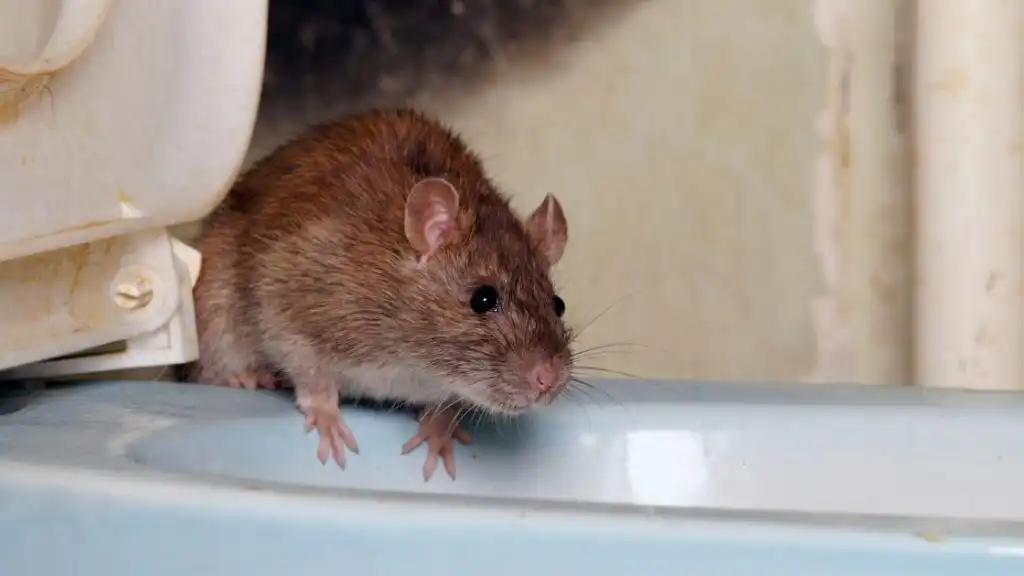
What Attracts Rats To Yards and Homes | Water and Food Sources Attract Problems
Rats, mice, and other rodents are driven by the need to survive. They seek food and water, warmth, and safe nesting areas. Homes and yards often provide all of this in one place. In St. Louis, seasonal changes prompt rats to seek shelter indoors during colder months, while warm weather increases activity around yards and outbuildings.
Rats are also cautious but persistent. Once they find reliable food sources or access points, they tend to return night after night. This behavior is why minor problems can escalate into a full-blown rodent infestation when warning signs are overlooked. What you provide rats might not be immediately apparent. You need professional repellants as well as a better understanding of rodent attractants.
1. Unsecured Trash And Garbage Cans Draw Rats to Yards
Trash remains one of the top things that attracts rats. Food scraps, grease residue, and discarded packaging send strong scents into the air. Problems often include:
- Broken lids that do not seal
- Overflowing bins
- Bags left on the ground
Using durable cans with tight-fitting lids limits access to free food and helps discourage rodents from lingering near the home. Getting rid of mice that infest a property requires using well-sealed containers.
2. Pet Food Left Outside Or In Garages is a Food Source for Rodents Too
Pet food is a powerful attractant. Rats can detect it from a great distance and will return once they know it is available. To reduce risk:
- Remove outdoor bowls overnight
- Store bags in sealed containers
- Avoid leaving food in garages
This simple change can significantly reduce rodent activity.
3. Bird Feeders And Fallen Seeds Create Infestations
Bird feeders often bring unintended guests. Spilled birdseed becomes an easy meal for rats and mice. Placing feeders farther from structures and cleaning up fallen seed helps reduce rats to yards without giving up bird watching.

4. Open Compost Piles Can Draw Rats to Your Home
An open compost pile provides food and nesting material. Kitchen scraps, yard waste, and warmth combine to create a warm and inviting environment. Using sealed compost bins and managing contents carefully can limit this attraction.

5. Overgrown Landscaping And Places Give Mice and Rats a Place to Hide
Dense shrubs, tall grass, and ivy offer rodents safe places to hide. These areas allow rats to move around your property without being seen. Routine trimming reduces cover, making it easier to spot early signs of activity.

6. Cluttered Yards, Wood Piles, And Outbuildings are More Things that Attracts Rats to Your Home
Wood piles, sheds, and unused equipment offer shelter and nesting materials. We often advise homeowners to:
- Elevate wood piles
- Reduce clutter near foundations
- Inspect outbuildings regularly
These steps help limit shelter options.

7. Leaky Plumbing And Standing Water May Also Cause Rodent Infestations
Rats need water to survive. Plumbing issues, leaking outdoor faucets, and poor drainage all serve as steady sources of water. Fixing leaks removes a primary reason rodents stay nearby and helps prevent future problems.
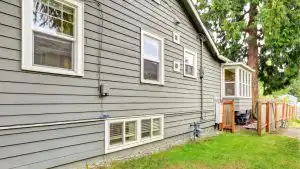
8. Gaps In Foundations, Siding, And Crawl Spaces Create Access Points
Rats can squeeze through small openings. Cracks, utility penetrations, and damaged siding give rodents access to crawl spaces and wall voids. Understanding how rodents get into your home is critical for preventing repeat infestations. Likewise, a thorough inspection helps identify these entry points before rodents fully establish themselves.
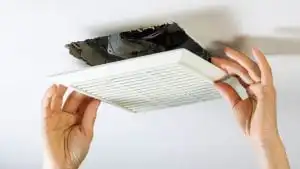
 9. Damaged Vent Covers And Roof Access are More Entry Points
Roof vents and attic openings are common entry points, especially for roof rats. Metal vent covers provide stronger protection and help block access to upper levels of the home.
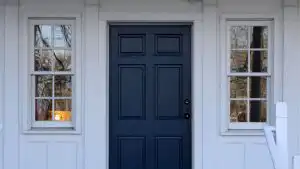
10. Poorly Sealed Doors And Windows Make Access Easier as Well
Gaps under doors and worn weather stripping give rodents easy entry, primarily through garages. Sealing these areas helps prevent future access and improves the overall efficiency of the home.
11. Food Crumbs and Droppings Indoors Indicate Specific Food Sources are Attracting Rats
Even small crumbs can draw rodents inside your home. Kitchens and pantries are frequent problem areas. Signs such as droppings, gnaw marks, or grease trails often indicate an active rat infestation.

12. Improper Food Storage Makes it Easier for Rats to Find Food
Thin packaging offers little resistance. Rats gnaw through cardboard and plastic with ease. Using sealed containers limits odors and removes easy access to food.

13. Nearby Construction Or Abandoned Buildings Can Cause Rat Problems
Construction activity can displace Norway rats and other rodents, causing them to move into nearby neighborhoods. Extra awareness during these times helps catch issues early.

14. Warm Attics And Nesting Materials Make It Simpler for Rats to Settle In
Attics provide warmth, quiet, and nesting materials, making rodents in your attic a common and costly problem if access points are left unsealed.

15. Relying On DIY Traps Alone is Not an Adequate Pest Solution
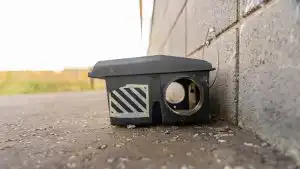
Snap traps and bait may catch individual rodents, but knowing when to call a professional exterminator is essential for eliminating infestations at the source.
Health Risks And Property Damage From Rats
Rats carry bacteria and parasites that can affect people and pets. Rodents can carry serious diseases when infestations go unchecked. A rat in your home may contaminate food, surfaces, and storage areas. Chewed wiring, damaged insulation, and hidden dead rats increase cleanup costs and health concerns.
Why Professional Rodent Control Makes A Difference
Professional rodent control focuses on long-term results, addressing entry points and attractants to permanently get rid of rodents rather than offering temporary fixes.
At Titan Pest & Wildlife Solutions, our pest solutions are designed to:
- Identify entry points while we inspect your home
- Check water sources
- Remove active rodents
- Reduce attractants
- Repel the rats year-round

Our Pest Control Solutions At Titan Pest & Wildlife Solutions
We are a locally operated pest control company serving homes and businesses in St. Louis. Our team understands local rodent behavior and the seasonal pressures it faces.
Our services include:
- Rat and mouse control
- Attic and crawl space inspections
- Yard and structural prevention
- Year-round home pest control plans
Common Questions About Rats And Mice
The following FAQ about rats and mice will give you a better idea of what to expect.
What attracts rats the most?
Easy access to food, water, and shelter.
Can rats leave on their own?
Rats tend to stay where conditions remain favorable.
Are rats and mice dangerous?
Yes. They can spread disease and damage property.
Is professional pest control worth it?
Professional pest control reduces repeat infestations and long-term damage.
Steps To Keep Rats Away And Prevent Future Problems
Helpful steps include:
- Securing food and trash
- Fixing leaks
- Reducing hiding spots
- Scheduling routine inspections
These actions help prevent future pest infestations and protect your home and yard.
Protect Your Home Before Infestations Start
Rats are opportunistic. When food and shelter are available, they take advantage. Understanding what attracts rats to your home allows you to take action before a minor issue escalates.
At Titan Pest & Wildlife Solutions, we offer reliable pest and wildlife services, backed by experience, care, and local expertise. If you suspect a rat problem or want peace of mind, call (314) 720-8857 for a free inspection. Our rat control service is here to help you protect your home with solutions you can trust.