
If you are searching for what smell rats hate, you are likely dealing with a rat problem or early signs of rats in your house. Maybe you heard scratching at night. Maybe you noticed droppings near storage areas. Situations like this create stress fast, especially for homeowners, business owners, and property managers in St. Louis.
Rats and mice rely on scent more than most people realize. Because of their strong sense of smell, certain odors can act as a rat repellent and help keep rats away for short periods. Still, smells alone rarely solve a full rat infestation. At Titan Pest & Wildlife Solutions, we help people understand what works, what does not, and when professional pest control services make the most sense.
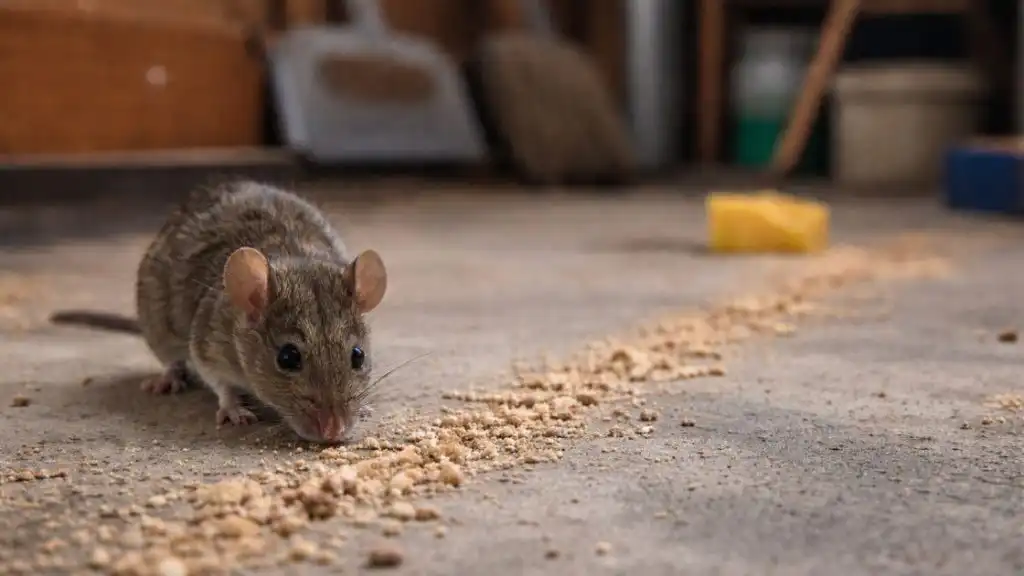
To keep mice and rats away from your home permanently, it’s best to use professional services. Rats absolutely will not leave on their own. Rats won’t go unless you have a logical plan of attack. Remedies like essential oils will not necessarily keep rats from nesting in your attic. While you can use cotton balls in the oil methods to support professional control methods, they should not be used as the only way to repel rats without harsh chemicals. Learning how professionals get rid of rodents in your attic is essential for long-term control.
Titan Pest & Wildlife Solutions can assist with techniques that discourage rats and keep rodents away permanently. While you can use certain scents to repel rats, as rodents hate strong and overpowering smells of natural oils, you also need to seal areas where rats enter and track their comings and goings through professional methods.
Why Rat Scent Sensitivity Matters for Rat Control
A rat depends on scent to survive, and therefore rats need to use their keen sense of smell to ensure continued survival. Rats use smell to find food, return to a nest, recognize danger, and move through dark spaces. Their sensitive noses enable them to detect food sources from a distance, which is why attractants often draw rats into homes and businesses.
Because rats have a highly developed sense of smell, overpowering odors can serve as a deterrent. Smells rats hate may discourage them from certain areas. Still, once rats settle in, scent alone does not stop them from nesting or breeding. This is why understanding how scent plays a role in rat control is critical
What Smells Rats Hate and Why Rats Avoid Them
Many people try natural rat repellent options before calling for pest control. Below are common scents that can provide temporary relief by discouraging rats from specific areas. While these smells may help in the short term, they work best when combined with proper exclusion and long-term rodent control methods.
1. Peppermint Oil
Peppermint oil has a strong scent that rats dislike. The smell can irritate their sensitive noses and provide temporary relief by discouraging rats from small, enclosed spaces.
Homeowners often soak cotton balls in peppermint oil and place them near entry points. This method may help for a short time but requires frequent reapplication and works best alongside sealing gaps.

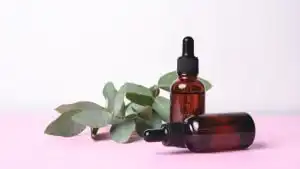
2. Eucalyptus Oil
Eucalyptus oil produces a sharp scent rats tend to avoid. When used near entry points or hiding areas, it may offer short-term relief by discouraging activity.
Like most essential oils, its effectiveness decreases as the scent fades and should be paired with other control measures.
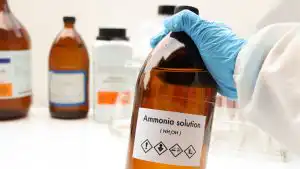
3. Ammonia
Ammonia mimics the smell of predator urine, which can cause rats to avoid an area temporarily. This may provide brief relief in outdoor or well-ventilated spaces.
Due to strong fumes, ammonia is not recommended for indoor use.
4. Vinegar
Vinegar has an acidic odor that can disrupt scent trails rats use for navigation. It provides temporary relief by making treated areas less appealing.
Vinegar works best as a cleaning aid and does not remove rats already nesting indoors.

5. Cayenne Pepper
Cayenne pepper can irritate a rat’s nose and mouth, which may cause rats to avoid treated areas temporarily.
Once disturbed or cleaned away, the deterrent effect quickly diminishes.

6. Chili Powder
Chili powder functions similarly to cayenne pepper by causing irritation. It may offer short-term relief but requires repeated application.

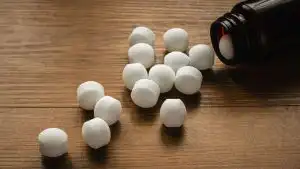
7. Mothballs
Mothballs release a strong odor that rats dislike and may deter them temporarily in enclosed areas.
Because they are toxic, mothballs should not be used as a rodent control method in living spaces.
8. Citronella
Citronella oil emits a scent rats tend to avoid. It may provide temporary relief outdoors or near entry points.
Its effectiveness indoors is limited without additional control steps.

9. Citrus Oil
Citrus oils such as lemon or orange produce odors rats dislike. These scents can help discourage rats briefly in treated areas.
Frequent reapplication is needed as the scent fades quickly.

10. Garlic
Garlic produces a pungent odor that rats avoid, which may offer short-term relief when placed near activity areas.
It spoils quickly and should only be used briefly to avoid attracting insects.

11. Onions
Onions release sulfur compounds that rats dislike. They may discourage rats temporarily in small areas.
Like garlic, onions degrade quickly and are not suitable for long-term use.

12. Clove Oil
Clove oil has a strong, spicy aroma that may help deter rats from enclosed spaces for a limited time.
Reapplication is necessary to maintain effectiveness.
13. Camphor
Camphor emits a powerful scent rats tend to avoid and may provide short-term relief in non-living spaces.
Improper use can be harmful, so caution is required.

14. Pine-Scented Cleaners
Pine-based cleaners can help remove scent trails and provide temporary relief by making areas less attractive to rats.
They are most effective when used during cleaning and sanitation efforts.

15. Bleach
Bleach has a strong odor that may briefly mask scent trails, offering limited short-term relief. It should only be used for cleaning and not as a primary rodent deterrent.

Do Natural Rat Repellents Keep Rats Away?
Natural repellents, such as essential oils, may help repel rats for a short time. They work best during early activity, not during a full infestation.
Rats are clever and adapt quickly. Once rats find shelter, warmth, and food, even smells rats hate will not keep them away. A pair of rats can multiply rapidly, which is why early action is critical.
Why DIY Rat Repellent Methods Often Fail
Many people rely solely on scent and overlook other factors that attract rats.
Common issues include:
- Ignoring entry points
- Leaving food sources available
- Using strong smells without sealing access gaps
- Assuming quiet means the problem ended
When rats could still enter freely, even the most pungent scent would not keep them away for long.
Signs of a Rat Infestation That Need Professional Pest Control
Some signs point to more than casual rodent activity.
- Scratching sounds in walls or ceilings
- Droppings near storage or food areas
- Chewed wiring or insulation
- Grease marks along the walls
- Daytime rat sightings
These signs often indicate a growing rodent infestation that requires professional pest control services.
Why Professional Pest Control Protects Your Property if You’re Trying to Get Rid of Rats
Rats and mice bring health risks and property damage. They chew wiring, contaminate surfaces, and spread bacteria. DIY methods often miss nests hidden behind walls or above ceilings.
Professional pest control focuses on removal, exclusion, and prevention together. This approach addresses the full problem rather than masking its symptoms.
Our Professional Pest Control Services for Rat Infestation
At Titan Pest & Wildlife Solutions, we follow a step-by-step process designed to combat rats safely and effectively.
- Inspection: We locate entry points, nesting areas, and attractants.
- Removal: We use proven rat control methods to remove active rodents.
- Exclusion: We seal entry points and reinforce areas that allow rats inside.
- Prevention: Our work helps keep rats at bay and reduces the risk of future infestations.
This process helps repel rats in the long term, rather than relying solely on scent.
Why St. Louis Properties Face Higher Rodent Pressure
Seasonal weather changes push rats indoors. Older homes, nearby water sources, and dense vegetation all attract rats and other rodents.
Local experience matters. We understand how St. Louis conditions affect rat behavior year-round.
Common Questions About Smells that Repel Rats and Rat Control Deterrents
What smell do rats hate the most?
Potent essential oils like peppermint and eucalyptus bother rats, but the effects are short-lived.
Can rats get used to smells?
Yes. Rats adapt fast, which is why scents alone fail.
Are natural repellents safe for pets?
Some oils can irritate pets if misused.
How long does professional rat control take?
Results often start quickly, with long-term control following proper exclusion.
If You Have a Rat or Mouse Problem, We’re Here to Help
Smells that rats hate may discourage activity for a short time, but lasting control requires experience and proven methods. At Titan Pest & Wildlife Solutions, we focus on safe solutions, humane rodent control, and long-term protection for homes and businesses across St. Louis.
If you suspect a rat or mouse infestation, help is available. We can help in driving rats away permanently. We know which rodenticides are safe to apply and which baits and traps to use, and we place them in areas where rats regularly travel or inhabit. If you want to get rid of rats permanently, reach out to Titan first.
Call Titan Pest & Wildlife Solutions at (314) 720-8857 to schedule your free inspection. We are ready to assess the situation, answer your questions, and help keep rats away with care you can trust.