
If you are hearing scratching sounds above your ceiling or finding mouse droppings near attic access points, you may be dealing with mice in your attic. This is a common pest problem for many St. Louis homeowners, especially during cooler months. A single mouse can quickly turn into an infestation if the issue is not addressed correctly. At Titan Pest & Wildlife Solutions, we help homeowners safely eliminate mice and prevent re-entry. Below, we explain proven methods to permanently get rid of mice in the attic and why combining these steps leads to practical solutions.
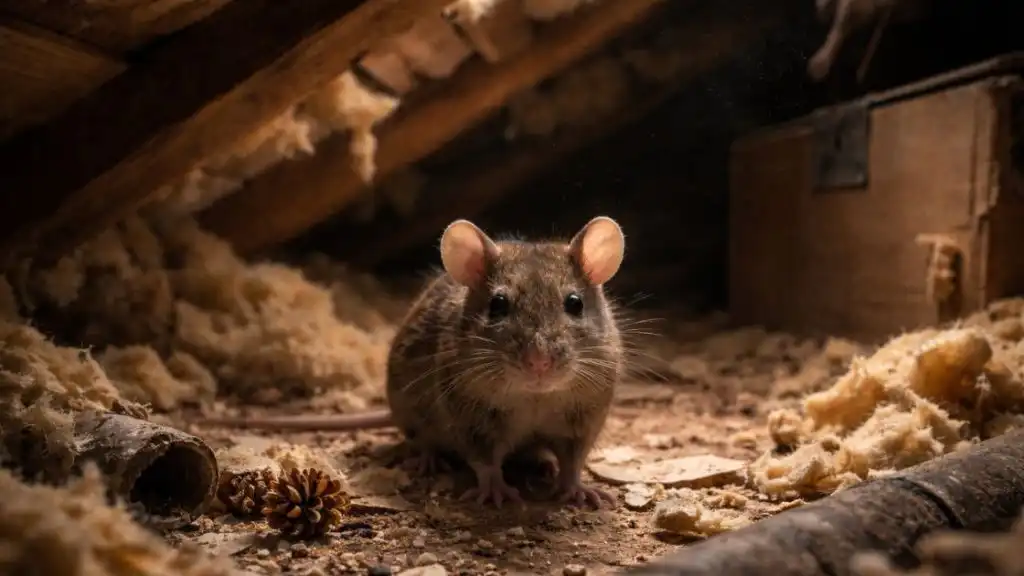
Why Mice in the Attic Are a Serious Pest Problem
Mice choose the attic because it offers warmth, insulation, and a convenient location for nesting materials. Once mice enter attic spaces, they chew wiring, urinate on surfaces, and contaminate insulation with their droppings.
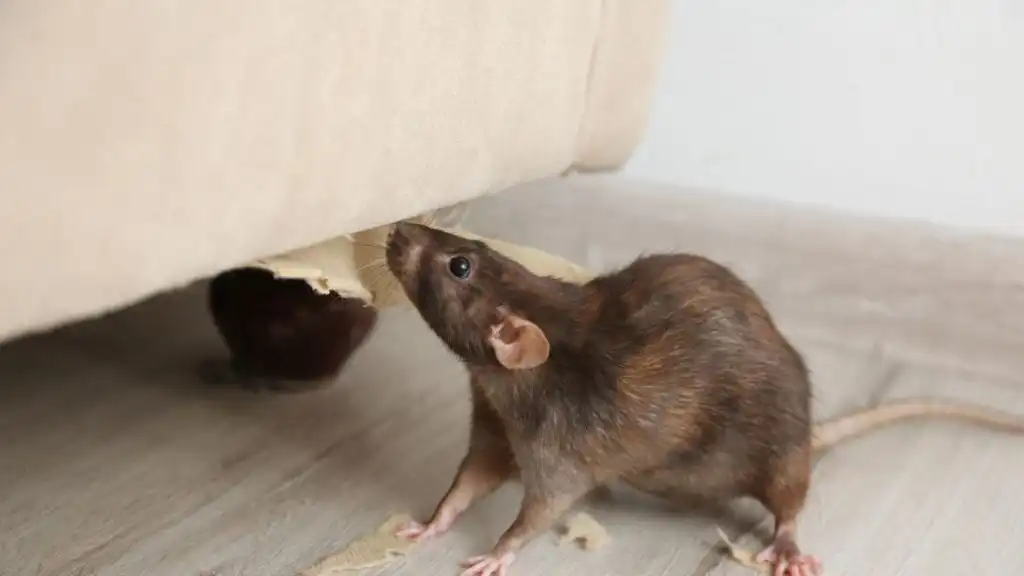
Mice can enter through openings as small as a dime. Even one mouse can create nesting areas that attract more rodents. Attic infestations rarely resolve on their own, and mice will not leave without intervention.
15 Proven Ways to Get Rid of Mice in Your Attic Safely and Permanently
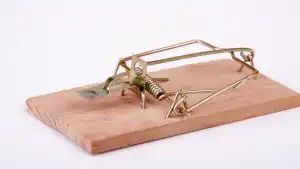
1. Place Snap Traps Where Mice Travel
Snap traps are a common method to get rid of mice in the attic when positioned correctly. Mice travel along walls, along beams, and around the edges of attics. Placing mouse traps in these runways increases the success rate.
Traps should be checked often. Dead mice must be removed promptly to prevent odors and secondary pest infestations. When Titan’s technicians place bait stations and traps, they keep this in mind.
2. Use Covered Traps for Safer Rodent Control
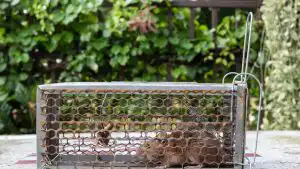
Covered snap traps protect children and pets while still allowing effective rodent control. These boxes guide live mice toward the bait while keeping hands and paws out of the way.
Covered traps also help contain mouse poop and make disposal easier when traps catch rodents. Mice will leave droppings and urine, so these traps keep everything cleaner and safer.

3. Monitor Mouse Activity With Tracking Traps
Monitoring traps help us inspect activity levels before and during treatment. This allows us to find fresh droppings, gnaw marks, and nesting materials. Mice will scatter throughout the house, making this monitoring essential.
Tracking helps confirm whether a small infestation or a larger rodent problem is present. Live traps, heavy-duty tracking traps, and ultrasonic devices are used, depending on our clients’ needs.

4. Use Natural Repellent Methods Only as Support
Peppermint oil, cotton balls, and other essential oils may deter mice for a brief period. These natural pest options do not remove nests or block entry points.
Natural repellent methods can support professional pest control, but should never be the sole method for eliminating mice.

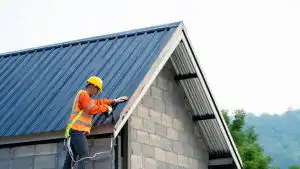
5. Seal Roofline Gaps and Entry Points
Roof edges, soffits, vinyl siding gaps, and eaves are common points of entry for pests. Mice chew through weak materials and squeeze through tiny openings.
We use caulk, steel wool, hardware cloth, and chew-proof materials to prevent mice from returning.
6. Protect Attic Vents With Wire Mesh
Unprotected vents are easy access points for rodents. Installing galvanized wire mesh or hardware cloth over vents blocks mice while keeping airflow intact.
Vent protection helps prevent future attic infestations.

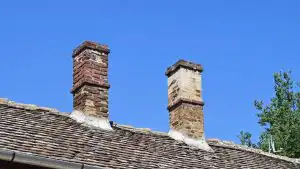
7. Secure Chimneys and Flue Openings
Open chimneys allow rodents and other wildlife into attic spaces. Chimney caps and wire mesh prevent mice from using these routes as exit points or re-entry paths. We make sure rodents are directed one-way – out of your house permanently.
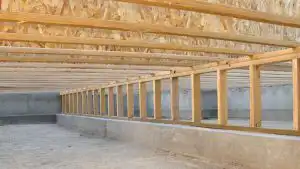
8. Seal Foundation Gaps and Crawlspace Openings
Mice often enter at ground level, then move upward through wall voids into the attic. Sealing foundation gaps, crawlspace vents, and weep holes blocks these travel paths. This step helps get rid of mice throughout the entire building.
9. Close Gaps Around Pipes and Utility Lines
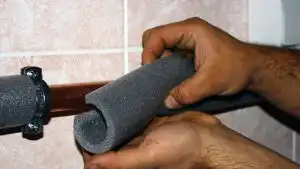
Utility openings around plumbing, HVAC systems, and wiring are common entry points for mice. These gaps should be sealed with caulk, sheet metal, or steel wool.
Closing these openings helps stop re-entry and reduces rodent access to attic spaces.
10. Remove Contaminated Insulation and Nesting Areas
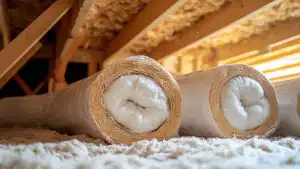
Mice build nests inside insulation using shredded paper, fabric, and other materials. Contaminated insulation in attics might have a musky odor, which can negatively impact air quality.
Removing damaged insulation, eliminating food sources, and clearing nesting areas and droppings of mice in attics is necessary.
11. Clean Droppings Using Safe Procedures
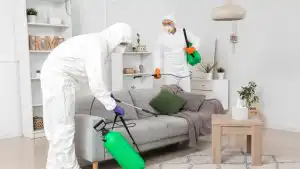
Mouse droppings and urine, such as those from mice, can carry bacteria and viruses, including hantavirus. Wear gloves and avoid sweeping or vacuuming droppings.
Proper disinfectant use helps protect our household during cleanup.

12. Disinfect Travel Routes and Nest Sites
Mice leave scent trails that guide other rodents back to nesting sites. Disinfecting runways, beams, and attic surfaces helps break this cycle.
This step reduces the risk of mice returning.
13. Inspect the Attic Thoroughly
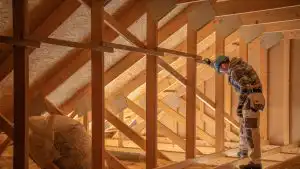
A complete attic inspection looks for droppings, gnaw marks, chew damage, nesting materials, and insulation voids.
We inspect attic spaces, crawl spaces, and rooflines to identify all potential points of entry.
14. Use Targeted Trapping With Follow-Up Visits
Professional trapping plans adapt based on activity. We place traps strategically, check traps regularly, and confirm progress during follow-up visits.
This method removes live mice and prevents missed areas.
15. Set Up a Long-Term Prevention Plan
Prevention includes exclusion, maintenance, monitoring, and protection of food sources, such as firewood stacks, junk piles, and unsecured plastic bins, which also helps.
A long-term plan keeps mice out year-round.

Why These Steps Work as a Complete Way to Get Rid of Mice in the Attic
No single method works alone. Traps catch mice. Exclusion blocks entry points. Cleanup removes attractants. Prevention stops re-entry.
This whole approach delivers practical solutions that last.
Health and Property Risks of Mice in the Attic
Mice in the attic can cause:
- Mouse poop and droppings that affect air quality
- Chewed wiring that raises fire risk
- Contaminated insulation
- Structural damage from gnawing
Rodent infestations can also attract other pests if not addressed. Beyond property damage, mice pose health risks due to the diseases rodents can carry, making prompt attic control essential.
Signs You May Have Mice in the Attic
Watch for:
- Hearing scratching sounds at night
- Droppings near attic access points
- Musky odors
- Gnaw marks on wood or wires
- Torn insulation or nests
Finding fresh signs early helps limit damage.
Why Professional Pest Control Makes a Difference
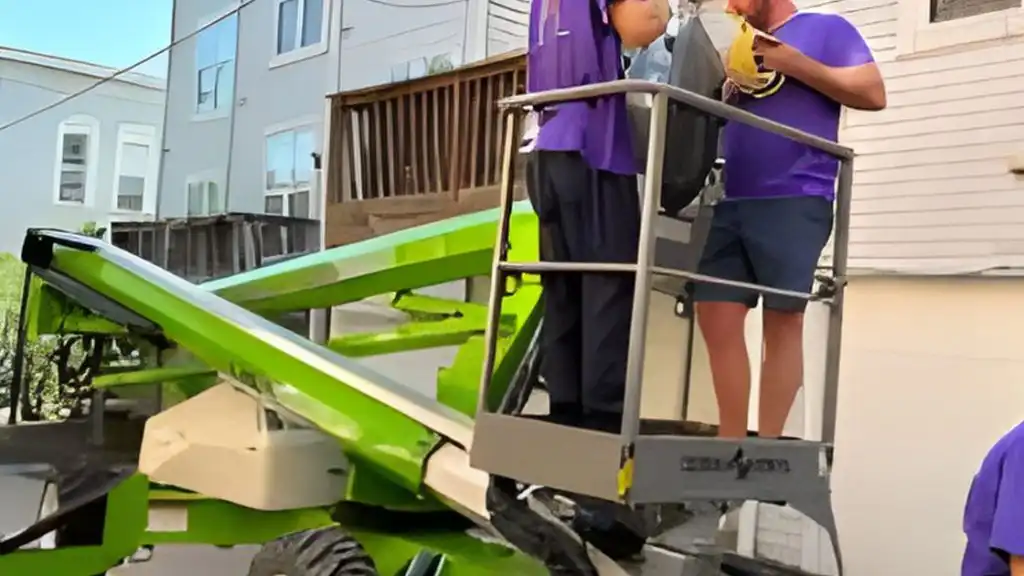
DIY methods may catch a few mice, but knowing when to call an exterminator for mice is key to stopping attic infestations completely. Professional pest control identifies the full extent of the problem and applies proven rodent control methods safely and effectively.
Working with an experienced professional in the long term helps protect your home in the long term.
Why Homeowners Trust Titan Pest & Wildlife Solutions
At Titan Pest & Wildlife Solutions, we provide pet-friendly, safe, and reliable mouse control across St. Louis.
Homeowners choose us because:
- We focus on prevention, not quick fixes
- We handle both pest and wildlife issues
- We use safe, eco-conscious methods
- We explain every step clearly
Our goal is lasting protection and peace of mind.
Why Mice Choose Homes in St. Louis
Homes in the St. Louis area face seasonal pressure from rodents. When temperatures drop, mice seek warmth and stable food sources. Attics often meet those needs better than garages or sheds.
Older homes, in particular, may have more gaps around siding, soffits, and rooflines. Even newer homes can develop openings over time due to settling. Nearby firewood stacks, junk piles, or overflowing trash areas may also draw in mice.
Understanding why mice infest homes helps homeowners take prevention seriously before a complete infestation forms.
How Fast a Mouse Problem Can Grow
Many people underestimate how quickly mice reproduce. A single mouse can lead to dozens more within a short time if conditions are right. Attics provide quiet nesting areas where mice can raise young without disturbance.
Because mice travel through wall voids and insulation, activity may go unnoticed for weeks. By the time scratching sounds are heard, multiple nests may already be present.
Early action helps avoid larger attic infestations that require more extensive cleanup and repairs.
Common Entry Points Homeowners Overlook
Some entry points are easy to spot, while others remain hidden unless inspected closely. Mice can enter gaps the size of a dime, making them easily overlooked. To prevent mice from returning, you must locate and seal all entry points. Understanding how mice get into your house is essential for long-term attic prevention.
Common access areas include:
- Gaps along soffits and around eaves
- Cracks behind vinyl siding
- Weep holes near the foundation
- Openings around vents and chimneys
- Utility line entry points
Mice can only enter through a small opening. Sealing every access point is key to long-term mouse control.
Why Poison and Rodenticide Create More Problems
Rodenticide products may seem convenient, but they often create new issues. When mice die inside walls or attic voids, odors can linger for weeks. Insects may also be attracted to carcasses.
There is also a risk to pets and wildlife if bait blocks are accessed or if other animals eat poisoned mice. Due to these risks, poison alone is rarely recommended for controlling attic mice.
Safer control methods, paired with exclusion, yield better results.
Why Getting a Cat Rarely Solves an Attic Mouse Problem
Some homeowners consider getting a cat to deter mice. While cats may catch an occasional mouse, they cannot access their nesting areas or block entry to those points.
Cats also do not remove droppings, nesting materials, or contaminated insulation. Relying on a pet often leads to ongoing activity behind the scenes.
Effective solutions focus on removing mice and sealing access points, rather than relying on predators to solve the issue.
What to Do If You Find Dead Mice in the Attic
Finding dead mice can be unsettling. Dead rodents should be handled carefully to avoid contact with bacteria or parasites.
If you encounter dead mice:
- Wear gloves
- Avoid direct contact
- Use proper disinfectant
- Dispose of remains safely
If odors persist, there may be additional carcasses hidden in wall voids or insulation. Professional help may be needed to locate and remove them.
How Insulation Damage Affects Your Home
When mice chew and nest in insulation, its effectiveness is compromised. Gaps form, allowing heat to escape in winter and enter during summer. This can lead to higher energy bills and reduced comfort.
Urine and droppings also contaminate insulation, affecting indoor air quality. Replacing damaged insulation restores efficiency and improves living conditions.
Signs an Infestation Is Getting Worse
Some warning signs suggest the problem is growing
- Scratching sounds are happening during the day
- Strong musky odors
- Increased droppings appear quickly
- Visible gnaw marks on wood or wires
When these signs appear, professional inspection becomes more urgent.
Why Inspection Matters Before Any Treatment
Without a thorough inspection, mouse control becomes a matter of guesswork. Inspections help identify entry points, nesting areas, food sources, and pathways for travel.
This step allows treatment to be focused and effective. Skipping inspection often leads to missed areas and repeat infestations.

Why You Should Call a Professional Exterminator When You Need to Lay Out Bait and Traps
If mice continue to appear despite the use of traps, or if scratching is heard in walls or ceilings, it is time to seek professional advice. Trained technicians are best equipped to handle large attic infestations, repeat re-entry, and contamination issues.
Professional mouse control saves time, reduces stress, and prevents costly damage.
Why Prevention Is Cheaper Than Repairs
Repairing chewed wiring, replacing insulation, and fixing structural damage can cost far more than prevention. Sealing entry points and maintaining exterior protection lowers the risk of future infestations.
Prevention also helps protect health and indoor air quality.
Why Titan Pest & Wildlife Solutions Is the Right Choice | Keep Mice from Returning
At Titan Pest & Wildlife Solutions, we specialize in comprehensive mouse control services. We remove live mice, address nesting areas, seal entry points, and help prevent re-entry.
Our team understands the unique pest pressures in St. Louis and uses pet-friendly, safe methods whenever possible. We believe clear communication and follow-up matter just as much as removal.
Common Questions About Mice in Attic Spaces
The following FAQ about mice in attic spaces will give you a better idea of what to expect.
Will mice leave on their own?
No. Once settled, they stay unless removed.
Is professional service safe for pets?
Yes. We use methods designed with household safety in mind. We use pet-friendly methods.
How long does removal take?
Most cases improve quickly, with prevention helping to maintain results in the long term.
Can mice cause severe damage?
Yes. Wiring, insulation, and air quality are often affected.
Schedule Your Free Attic Inspection for Mice in Your Attic
If you suspect mice in your attic or hear scratching sounds, help is available. Contact Titan Pest & Wildlife Solution for a free inspection and expert mice control services. We’ll eliminate mice and prevent them from returning. Wherever mice may be entering, we’ll find it and seal it. This will also prevent mice from coming back.
Call (314) 720-8857 today. We are here to help you safely eliminate mice and keep them out for good. We’ll check the perimeter of your home and look for all those hidden entry points.