
Mice infestations often begin in the quietest corners of a home. These small rodents seek out undisturbed areas like wall voids, attic insulation, behind kitchen appliances, and deep inside cabinets. Their ability to squeeze through a crack or a tiny gap around doors and walls allows them to take shelter in dark, tight spots. Identifying hidden mice in unexpected places is a common challenge since they remain out of sight while the population grows. Understanding how mice get in your house is the first step in identifying the quiet corners they use for nesting and shelter.
Mice hide in a house to satisfy food and nesting needs. They often form a mouse nest inside insulation or behind kitchen cabinets. Their preference for areas near crumbs and reliable water sources supports steady mouse activity. Once they hide during the day, they become harder to locate without expert knowledge. Identifying the top places mice stay helps you find them faster and stop the infestation before it spreads.
Why Do Mice Hide Inside Homes?
Mice hide inside homes for food, warmth, and protection. These rodents live alongside humans because they can find crumbs, pet food, and water without much effort. They also hide inside undisturbed areas to create a nest for young mice. Since it’s rare to see a mouse during the day, most homeowners don’t know they have an infestation until the signs of mouse activity become obvious.

House mice take shelter anywhere they feel safe. They look for hidden places such as wall voids, crawl spaces, and gaps around plumbing lines. The more entry points a home has, the easier it is for rodents to get inside. Even a hole the size of a dime can attract mice because they can squeeze through small openings. When a home has clutter, cardboard boxes, or storage piles, it creates more hiding spots for mice.
Mice also hide in areas near a food source. Kitchens, pantries, and garage storage areas provide steady access to food crumbs and nesting material. This is why mice hide during the day in silent corners and come out at night when the house is quiet. Understanding these patterns helps identify the signs of a mouse infestation faster.
How Mice Choose Their Hiding Spots
Mice choose hiding spots based on warmth, safety, and access to food and nesting materials. When mice hide inside homes, they search for quiet pockets they can reach through access points near floors or behind furniture. Mice typically travel along walls because it helps them avoid open spaces. These patterns explain why it’s rare to see a mouse out in the open.
House mice look for soft insulation to create a mouse nest, and they return to the same spots for food and water sources. Mice make tunnels inside insulation or behind appliances because these areas stay warm. They also hide inside closets, where they can shred clothing and create a nest without being seen. Because mice hide during the day, you may only hear scratching sounds or see droppings long before you find a mouse in person.
The more clutter a home has, the easier it is for hidden mice to multiply. Stacks of boxes and storage bins create perfect places for mice to hide and travel unnoticed.
Top Places Mice Hide in Homes
Below are the most common places mice hide in a house. These are the first places professionals check when looking for the signs of a mouse infestation.
1. Attics
Mice hide in attics because attics offer insulation, warmth, and quiet. These hidden areas give mice a safe place to nest without interruption. Attics are one of the most common hiding spots during winter. Mice hide in the attic by chewing insulation and creating soft tunnels to take shelter.
Signs include:
-
Dropping piles near beams
-
Scratching sounds at night
-
Shredded insulation
-
Strong odors from mouse activity

Attics also give mice the chance to travel downward through wall voids. Homeowners must take professional steps to get rid of mice in the attic to stop them from spreading throughout the rest of the home.
2. Walls and Wall Voids
Walls are popular places mice hide because wall voids stay dark and undisturbed. Mice hide during the day inside these hidden spaces but come out at night to find crumbs and food. Homeowners often hear light movement in the wall, even if they never see a mouse in person.
Warning signs include:
-
Gnaw marks near baseboards
-
Tiny holes the size of a grain of rice
-
Droppings scattered under furniture
Mice may travel inside walls for long distances, making the mouse problem harder to reach without a pest control professional.
3. Basements
Basements are one of the first places mice hide in a house. These areas often have clutter, storage boxes, and cracks near the foundation. Mice also hide here because basements often have easy access to food and water sources such as pet food, leaks, or stored goods.
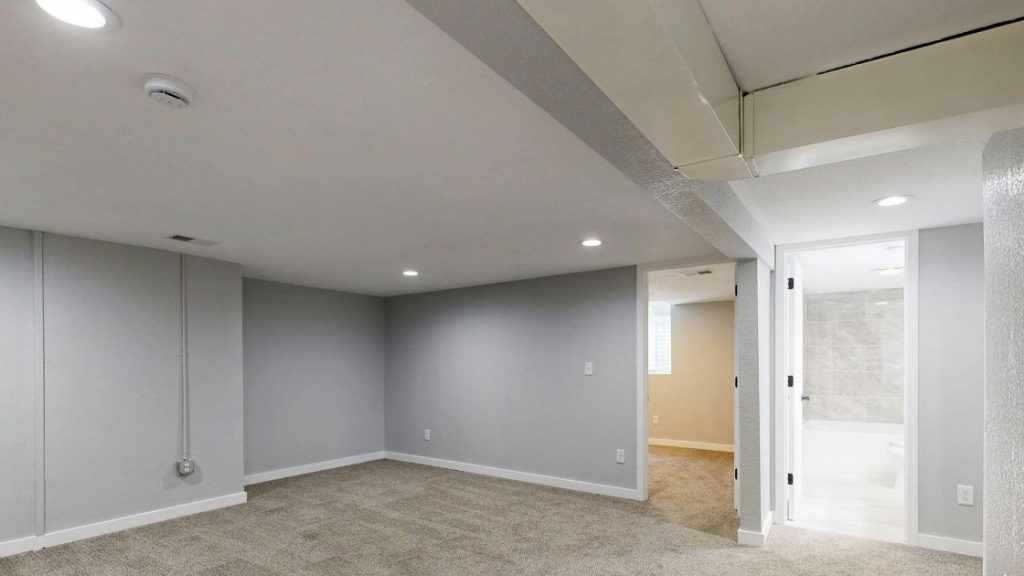
Common signs include:
-
Droppings in corners
-
Shredded cardboard boxes
-
Nesting material behind stored items
Basements can quickly become a central hub of mouse activity if conditions allow.
4. Kitchens and Pantries
Kitchens are common hiding places because they give mice quick access to food crumbs. Pantries offer food and nesting materials because mice can chew through food packaging easily. Kitchen cabinets also hide mice because they provide dark, tight spaces near food sources.

Signs of mice include:
-
Dropping trails near food storage
-
Chewed pasta, rice, or cereal packaging
-
Gnaw marks on wood or plastic
-
Movement behind kitchen appliances like the stove
House mice can hide in the smallest gaps around pantry shelves or under kitchen cabinets if these areas aren’t sealed.
5. Garages
Garages allow easy access because of garage doors and cracks along the foundation. Mice also hide in garages because they find nesting material in storage bins, tool compartments, or old blankets. Garages often give mice direct access to the rest of the home through gaps around the door frame.

Look for:
-
Droppings along walls
-
Chewed garden seeds
-
Nesting material inside storage tubs
Garages are common spots for mice because they can hide inside while staying close to outdoor food and water.
6. Crawl Spaces
Crawl spaces provide dark, humid hiding spots for mice. Mice hide here because the area is rarely inspected. These spaces often contain insulation mice use to create nests. Crawl spaces also act as access points directly into the rest of the home.
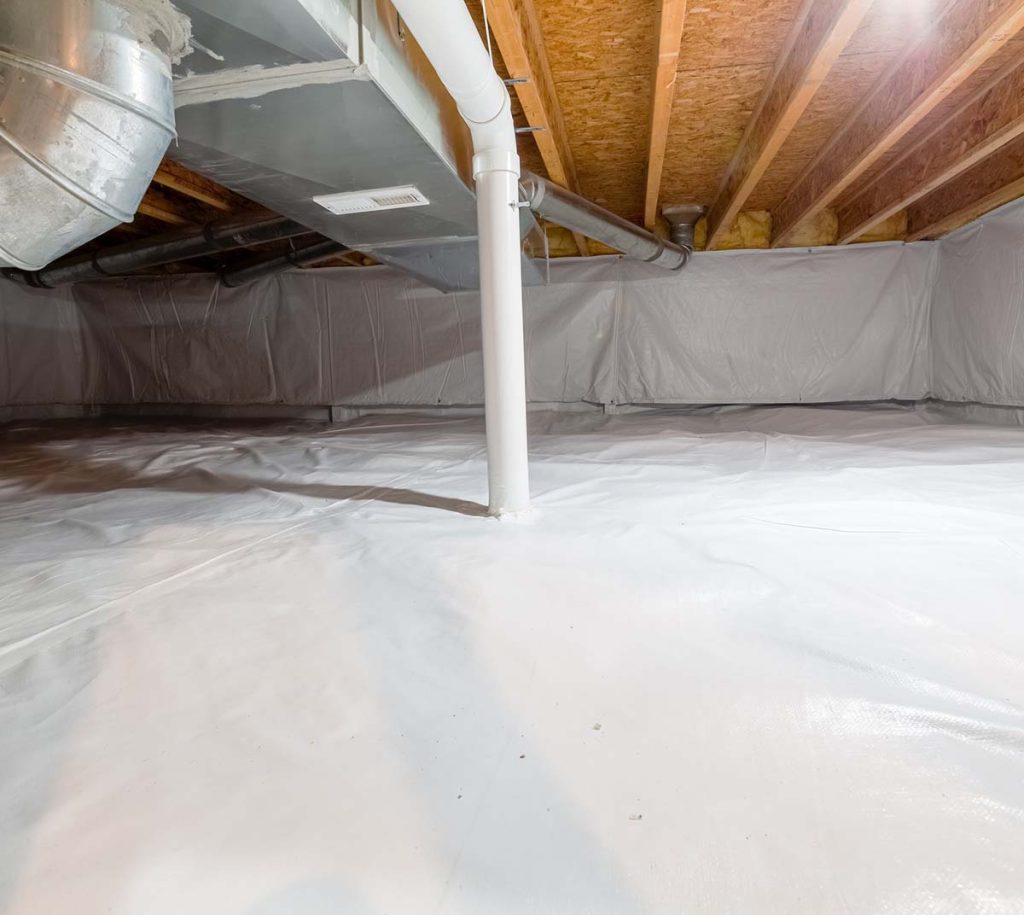
Signs include:
-
Droppings near vents
-
Chewed insulation
-
Musty odors from hidden mice
Crawlspace activity often leads to spreading infestations inside your home.
7. Closets and Storage Boxes
Closets are quiet and filled with soft materials mice use for nesting. Mice hide in closets by shredding fabric and paper. Mice also hide inside cardboard boxes because they can chew through the sides easily. Clothing and linens offer perfect materials for a mouse nest.
If you find shredded fabric or droppings on closet shelves, you likely have hidden mice in that area.

8. Behind Appliances
Mice hide behind kitchen appliances because these spots are warm and filled with fallen crumbs. A stove, refrigerator, or dishwasher may have tiny gaps around the base that attract mice. These hidden places stay dark, which makes them ideal spots for mice to hide during the day.
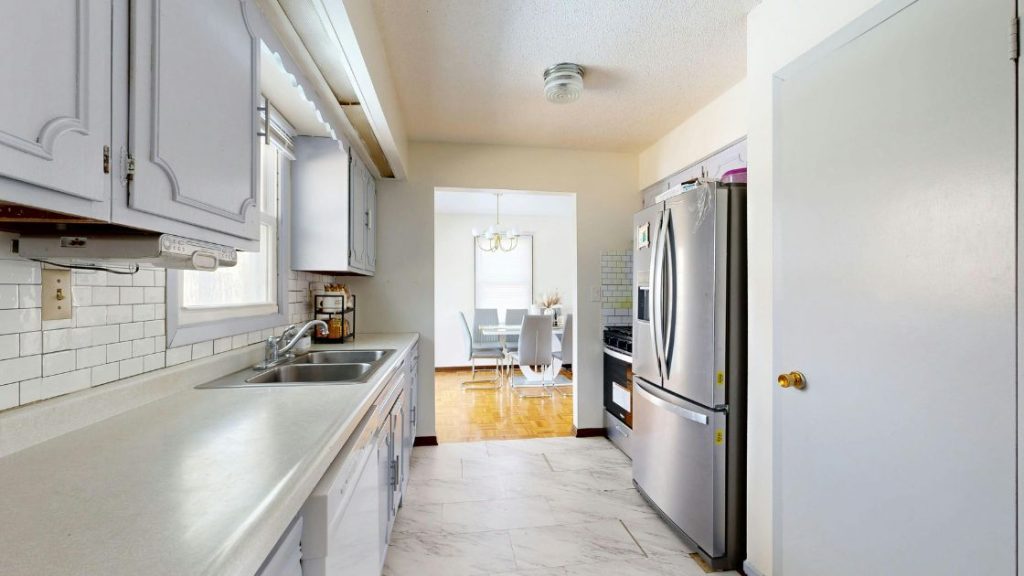
Signs include:
-
Gnaw marks on wires
-
Droppings behind the fridge
-
Movement sounds at night
These spaces require careful inspection because they are not easy to see without moving heavy equipment.
9. HVAC Systems and Utility Rooms
Mice hide near water heaters and HVAC units because these areas stay warm year-round. Mice may also hide in utility rooms because they can take shelter near pipes and vents. These hidden places attract mice looking for insulation or water sources.

Signs include:
-
Odors in vents
-
Droppings under utility shelves
-
Shredded insulation near pipes
Mice in these spots can spread through air ducts and create more activity in your home.
10. Cars and Outdoor Sheds
Mice hide inside cars if they find crumbs or nesting materials. They may chew wires or create nests near the engine. Outdoor sheds also hide mice because sheds store seeds, tools, and cloth materials that attract rodents.
These areas often allow mice to hide inside long-term without being disturbed.

Dangers of Ignoring a Mouse Problem
Ignoring hidden mice can lead to:
-
Fire risks from chewed wires
-
Contaminated food in the pantry
-
Damage to insulation
-
Health risks from droppings
-
Odors from nesting areas
Signs of mice include increasing droppings and gnaw marks that appear in new rooms. Acting early helps avoid larger repairs.
How to Prevent Mice From Returning
To prevent mice from entering:
-
Seal gaps around windows and doors
-
Store food in airtight containers
-
Reduce clutter
-
Keep pet food sealed
-
Fix water leaks
-
Clean crumbs under appliances
-
Inspect garage doors
-
Seal wall void access points
These steps help reduce common spots for mice to hide inside your home.

Why DIY Mouse Control Fails
DIY methods seldom get rid of mice fully because mice hide in so many hidden places you cannot reach easily. House mice breed quickly, and one missed mouse nest can restart the infestation. Traps may catch one mouse, but others keep finding food crumbs and nesting material.
Common reasons DIY fails include:
-
Entry points stay open
-
Mice hide during the day where traps can’t reach
-
Nests remain active
-
Mice avoid traps after a few days
Without sealing access points and removing hidden nests, mice will return.
Why Professional Mouse Control Works Better
Professional pest control solves the problem at every level. At Titan Pest & Wildlife Solutions, we inspect all places mice hide, locate mouse nests, and find access points mice use to enter your home. We use rodent control methods that stop both current and future mouse activity.
Our mouse control program includes:
-
Full inspection of all hiding spots
-
Safe trap placement
-
Sealing gaps around walls and doors
-
Removing nests and contaminated insulation
-
Sanitizing affected areas
-
Follow-up monitoring
This complete approach helps remove mice and prevent new rodents from entering.
Our Mice Removal Process
- Inspection: We check attics, basements, pantries, closets, crawl spaces, and other common hiding spots.
- Entry Point Detection: We look for gaps around pipes, vents, foundations, and door frames.
- Trap Placement: We set traps in places mice travel, avoiding open areas where mice rarely walk.
- Nest Removal: We remove mouse nests, nesting material, and droppings.
- Sanitation: We treat surfaces and replace damaged insulation if needed.
- Exclusion: We seal access points to prevent mice from entering again.
- Follow-Up: We monitor activity and adjust traps to maintain strong mouse control results.
Frequently Asked Questions
-
Where are the most common places mice hide in a house?
Mice typically seek out quiet, undisturbed areas near food and warmth. Common hiding spots include wall voids, attic insulation, crawl spaces, behind large kitchen appliances, and deep inside cabinets or closets.
-
Why do mice prefer to hide in walls and attics?
Walls and attics provide dark, safe, and warm environments for nesting. Attics offer soft insulation for nesting material, while wall voids allow mice to travel throughout the home undetected while remaining close to heat sources.
-
Can mice hide in clean homes?
Yes. Mice enter homes for warmth and protection, not just for poor sanitation. Even a spotless house can provide enough crumbs, pet food, or water to support an infestation once they find an entry point.
-
What are the signs that mice are hiding in my kitchen?
Look for small, pepper-like droppings in drawers or under the sink, chewed food packaging, and gnaw marks on cabinets. You may also hear movement behind the stove or refrigerator where crumbs often collect.
-
How small of a gap can a mouse fit through?
Mice are extremely flexible and can squeeze through openings as small as a dime. They frequently use tiny gaps around plumbing lines, utility vents, and door frames to access hidden areas inside your walls.
-
Why is professional mouse removal better than DIY traps?
Mice hide in hard-to-reach areas and breed rapidly, often making DIY traps ineffective for the whole nest. Professionals identify all hidden nesting sites and seal every tiny entry point. Knowing when to call an exterminator for mice is the most effective way to stop the breeding cycle and prevent rodents from returning.
Take Action Against Hidden Mice in Your Home
Mice hide in attics, walls, basements, kitchens, closets, and other tucked-away areas. Knowing where mice hide helps you spot early warning signs and take action quickly. However, removing hidden mice requires more than traps; you need a comprehensive pest control plan. Titan Pest & Wildlife Solutions has the experience, tools, and knowledge to remove mice safely and protect your home from future infestations.
Call Titan Pest & Wildlife Solutions at (314) 720-8857 for expert mice control services. We will locate every hiding spot, remove mice safely, and protect your home with trusted pest control solutions.