
To get rid of moles in your yard fast, you need to focus on stopping their tunneling activity and removing the reasons they are attracted to your lawn in the first place. Moles can quickly turn a smooth, healthy yard into a soft, bumpy surface by digging underground tunnels and pushing up small mounds of soil. These signs often appear suddenly, making homeowners look for immediate and effective solutions before the damage spreads.
The fastest results usually come from using a combination of methods, such as properly placed mole traps, reducing their food sources like grubs and earthworms, and making your yard less inviting for burrowing. Since moles stay where food is abundant, addressing the root cause is just as important as removing the current activity. This guide covers 15 fast and practical ways to get rid of moles, restore your lawn’s stability, and prevent new tunnels from forming.
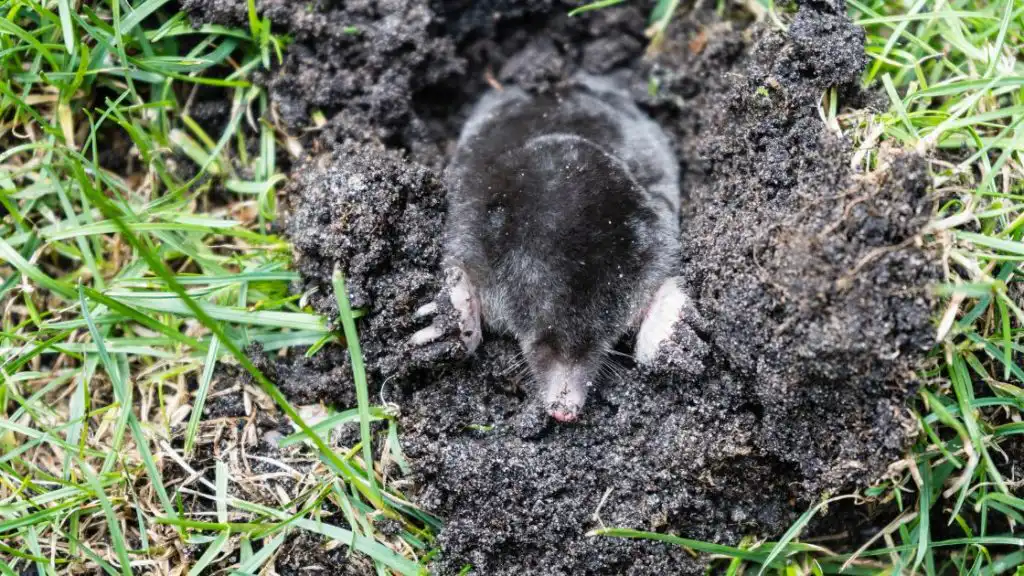
What Causes Moles in Your Yard
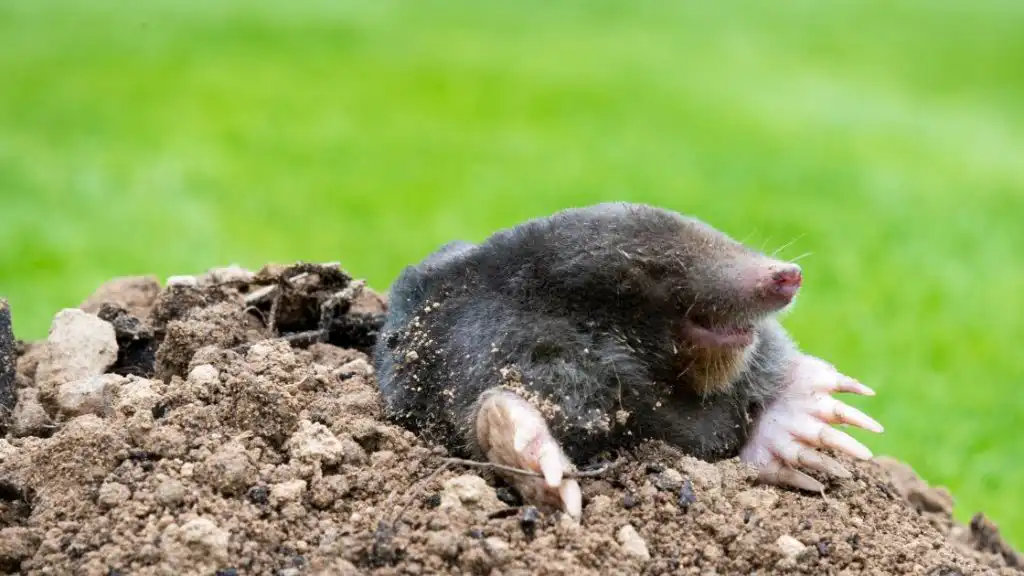
Moles enter your yard mainly because the soil provides easy digging and a steady food supply. Moist, loose soil attracts earthworms, grubs, and insects, which are the primary foods that keep moles active underground. As they search for food, they create tunnels that push up the soil and make the lawn uneven.
Key causes of moles in your yard:
-
Damp soil that brings worms and grubs to the surface
-
Loose, soft soil that is easy to tunnel through
-
Thick grass or shaded areas that hold moisture
-
High earthworm activity (their main food source)
If your lawn stays moist and rich in underground insects, moles are more likely to stay and continue tunneling for long periods.
Signs You Have a Mole Problem
Raised, winding lines across your lawn are one of the clearest signs of mole activity. These surface tunnels form as moles search for worms and grubs, often making the grass feel soft or spongy when you walk on it. You may also notice small piles of fresh soil, called molehills, near tunnel paths or in areas with softer soil.
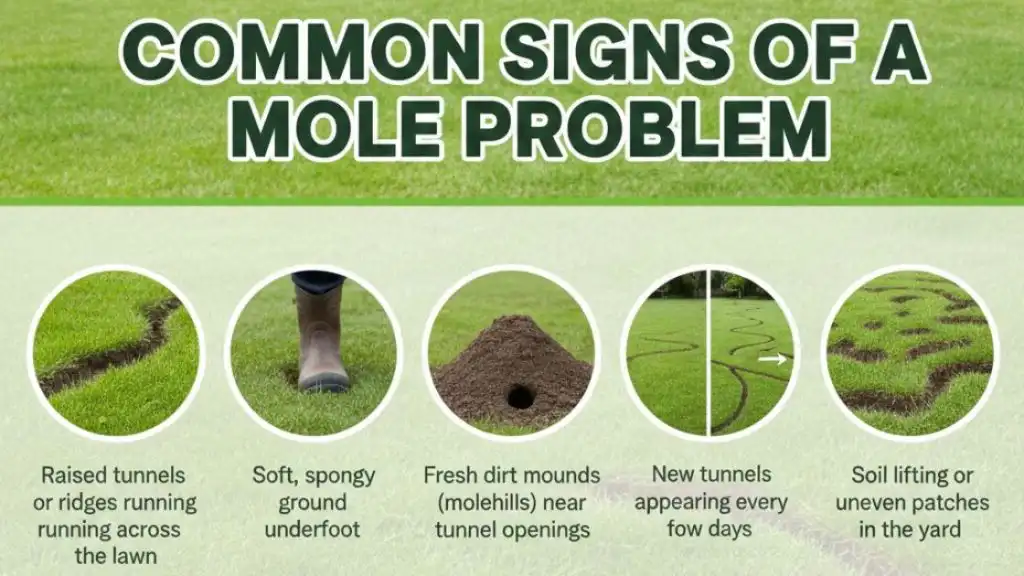
Common signs of a mole problem include:
-
Raised tunnels or ridges running across the lawn
-
Soft, spongy ground underfoot
-
Fresh dirt mounds (molehills) near tunnel openings
-
New tunnels appearing every few days
-
Soil lifting or uneven patches in the yard
If tunnels continue to appear regularly, it usually means active feeding is ongoing. Also, if plants are being chewed, the issue may involve voles using old mole tunnels, since moles do not eat plants.
Are Moles Dangerous
Moles are not aggressive, and they avoid contact with people. The problem comes from the tunnels they create, which weaken the lawn and can cause soft, sunken areas. Even though moles don’t chew wires or wood, the ground damage they leave behind can spread quickly. Moles may also create a mole hole near garden beds, which can disrupt root systems and affect the health of your landscape.
Although moles don’t pose direct danger to pets, the uneven ground can cause tripping hazards. Moles leave behind long surface tunnels that may collapse under weight. This is why many homeowners want a fast way to get rid of moles before the lawn becomes harder to repair. Even after moles leave, the tunnels remain, which can attract other burrowing animals if not addressed.
15 Effective Methods to Quickly Eliminate Moles from Your Yard
If you’re dealing with moles in your yard and want to get rid of them swiftly, here are 15 effective methods to consider.
1. Find the Active Tunnels
Press along the raised tunnel. If it pops back up later, it means the mole is still using it. Active mole tunnels are the best place to set traps or apply other control methods. This approach helps you stop moles from your yard faster because it targets the spots they travel through daily.
Sometimes moles make extra tunnels they don’t return to, so finding the active ones is the best way to get rid of moles quickly.
2. Set Mole Traps in the Correct Place
Mole traps work best when placed directly on active tunnels. When you position the trap correctly, it sits right above the path where moles travel. Setting a mole trap in the wrong spot slows progress and allows moles to continue damaging your lawn. Plunger traps, scissor traps, and harpoon traps are commonly used because they work well in different soil conditions.
Many homeowners learn that proper trap placement is the best way to get rid of moles in the shortest time.
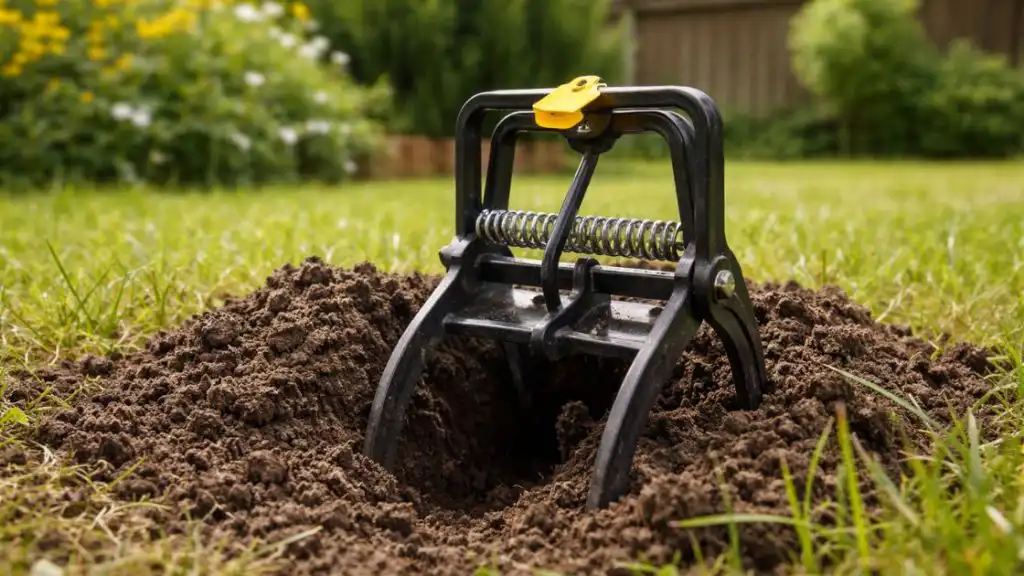
3. Use the Right Type of Mole Trap
Different traps work better depending on soil density. Harpoon traps work best in firm soil, while scissor traps work well in loose soil. A mole trap must fit tightly above the tunnel. Using traps that match your soil helps stop moles away from your lawn faster because the trigger responds correctly when a mole pushes the soil.
If the jaws of the trap do not sit firmly over the tunnel, it may not activate.
4. Reduce Grubs in the Soil
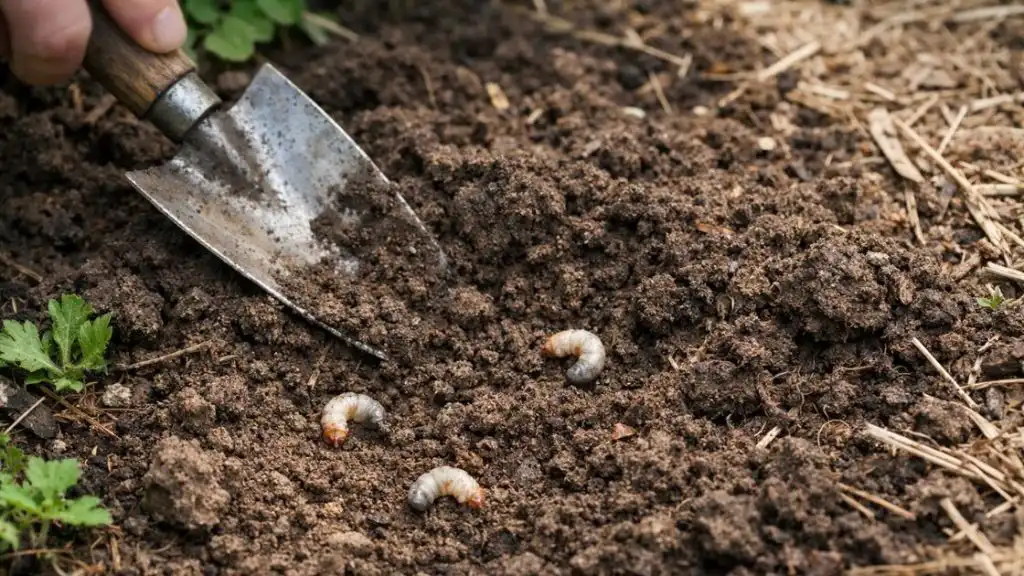
Grubs are a major food source for moles. When grub levels drop, moles may move to another yard. Grub control treatments help reduce mole activity by lowering the number of insects moles eat. Using insecticide pellets or biological treatments like nematode products can reduce white grubs and other soil insects.
Removing this food source helps make your yard less appealing to moles.
5. Improve Drainage
Moles prefer soil that is soft and damp. Improving drainage helps dry out the soil surface, which pushes worms deeper underground. When this happens, moles may leave the area because their favorite foods are harder to reach. Better drainage also helps overall lawn care by creating a more stable yard.
A well-drained yard is one of the easiest ways to get rid of moles naturally.
6. Collapse Old Tunnels
When you press down old tunnels, the ground becomes firm again. This does not kill moles, but it slows their movement and prevents additional spreading. It also makes it easier to spot new tunnels that appear later. Moles may avoid collapsed tunnels, which helps you predict where to place traps.
Collapsing tunnels also stops voles from using abandoned paths.
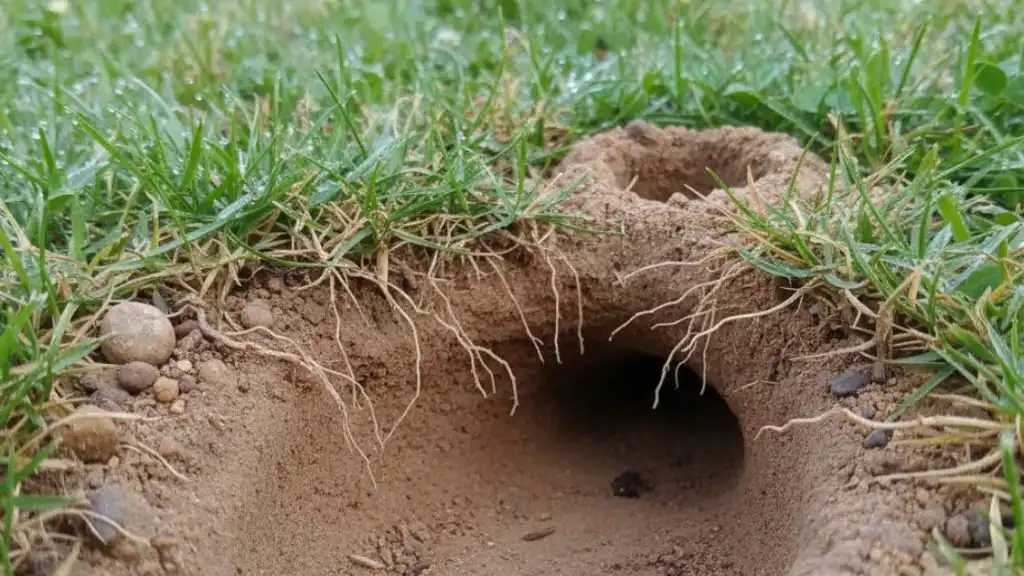
7. Reduce Mulch Layers
Thick mulch holds moisture, which attracts worms. Since worms attract moles, reducing mulch can help make your yard less appealing. Removing excess mulch can reduce worm activity near the top of the soil, making it harder for moles to feed in that area.
This simple step helps keep moles away without chemicals.
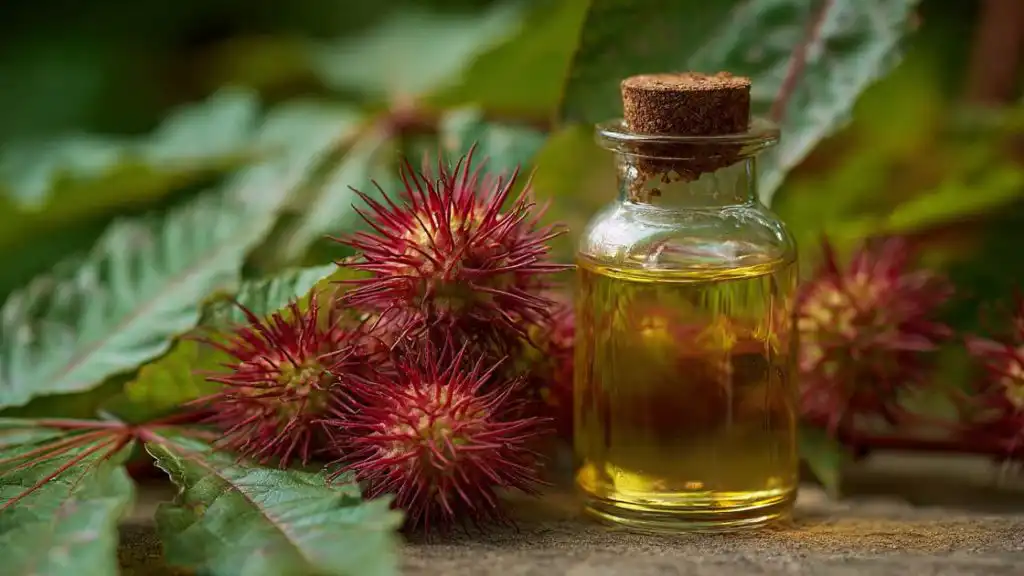
8. Use Castor Oil Products
Castor oil is a common mole repellent because it affects the smell and taste of the soil. Moles don’t like the way treated soil feels or tastes. Many castor oil-based repellents can be applied across the yard to push moles toward another area where traps can be used.
Castor oil repellents also help drive away mole crickets and other pests that attract moles.
9. Remove Surface Food Sources
You can reduce surface insects by using organic gardening methods or targeted treatments. If worms and insects are limited near the soil surface, moles may leave the area in search of better feeding zones. This method helps slow new tunnel formation.
It’s a helpful approach when combined with trapping.
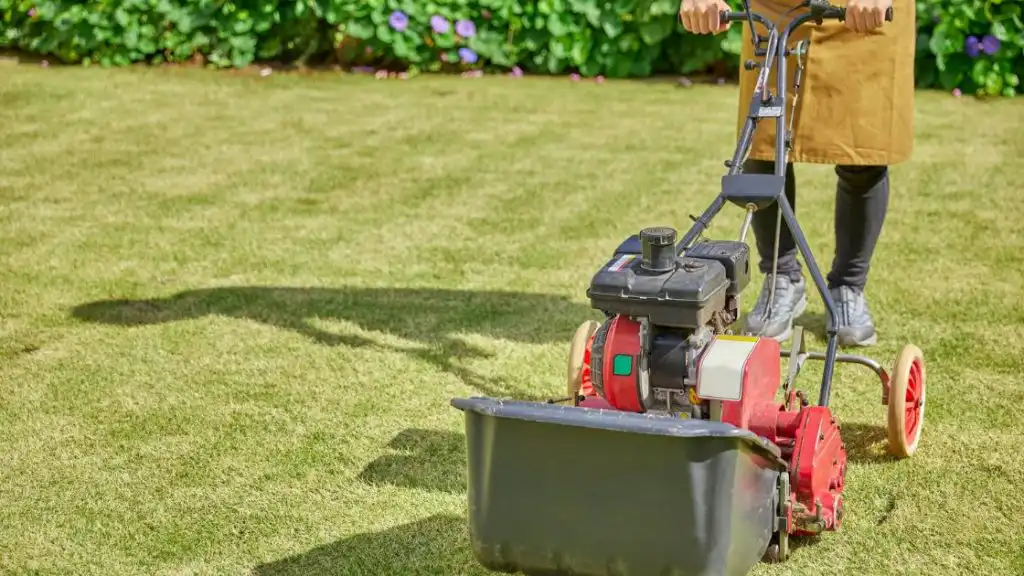
10. Aerate Your Yard
Aeration breaks up hard soil and promotes root growth. This improves the health of your lawn but also changes the soil structure. When the soil becomes more balanced, it reduces moisture pockets that attract worms. Better lawn care habits make your yard stronger and less likely to attract moles.
A healthier yard is easier to protect long-term.
11. Install Barriers
Mesh barriers or hardware cloth placed underground can stop moles from entering certain areas. This method works well for garden beds and high-value plants like daffodils or marigold patches. Plants like daffodils may also help since their scent is said to deter moles.
Barriers offer long-term prevention when tunnels are repeatedly disturbed.
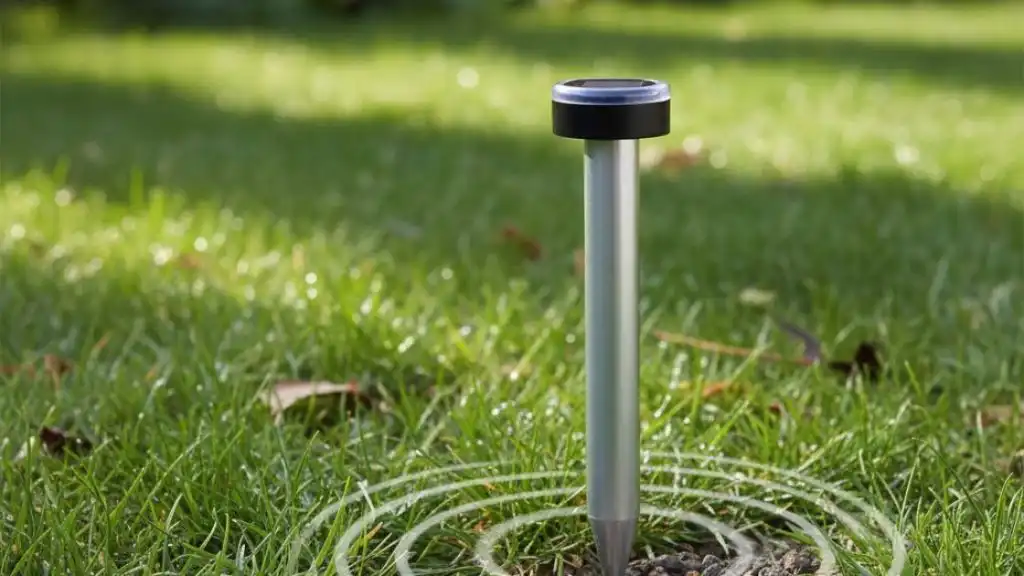
12. Try Vibrating Stakes
Vibrating stakes are a repellent option that sends small vibrations through the soil. While the results vary, some homeowners find they help push moles toward a trap zone. These devices work best when paired with trapping and grub control.
They’re a supporting tool rather than a full solution.
13. Flood Tunnels Carefully
Flooding tunnels will not kill moles in most cases because moles dig deeper to escape. However, flooding can help reveal certain tunnel openings so you know where to place traps. Moles may avoid flooded areas temporarily, giving you time to set up control methods.
This should only be done lightly to avoid harming your lawn.
14. Encourage Natural Predators
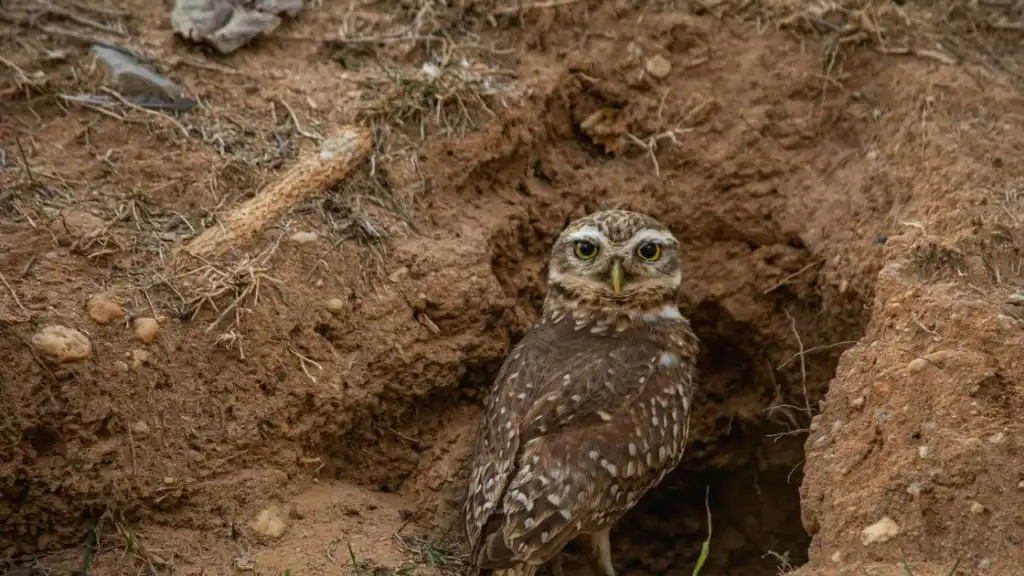
Owls, hawks, and some snake species may help limit mole numbers. While you should not rely only on predators, having a yard with natural balance can support mole control. Moles may avoid areas with heavy predator activity.
This works best as a long-term approach.
15. Hire a Professional
Professional pest control is the fastest way to get rid of moles. At Titan Pest & Wildlife Solutions, we identify active tunnels, select the right control method, and apply safe trapping options. We can also use repellents, bait-free approaches, and advanced mole removal tools that homeowners may not have.
Professionals can help you stop moles without harming pets or damaging the lawn further.
Frequently Asked Questions
-
Is it bad to have moles in your yard?
Moles are generally not dangerous, but their tunneling can damage lawns, create uneven ground, and loosen soil near foundations, which may affect drainage and soil stability over time.
-
How to get rid of moles permanently?
The most reliable long-term solution is professional mole removal. Experts use proper trapping methods, inspection, and prevention strategies to eliminate active moles and reduce the chances of reinfestation.
-
What will kill moles in your yard?
Professionally set mole traps are the most effective and humane control method. DIY poisons and repellents are often inconsistent and may not fully eliminate the problem.
-
What smells do moles hate?
Moles are sensitive to strong odors like castor oil, garlic, and commercial repellents, but these typically only provide temporary deterrence rather than complete removal.
-
Can vinegar get rid of moles?
Vinegar may briefly repel moles due to its strong scent, but it does not eliminate them or stop tunneling long term.
-
Do coffee grounds really get rid of moles?
No. Coffee grounds are a common myth and have little scientific evidence showing they effectively repel or remove moles.
-
What is the best home remedy for killing moles?
There is no proven home remedy that consistently kills moles. While DIY traps may help in minor cases, professional mole removal remains the most effective and dependable solution for lasting control.
Protecting Your Lawn from Future Mole Damage
Moles can cause stress and damage by creating tunnels, mounds, and soft spots across your lawn. The fastest way to stop the problem is by finding active tunnels and using proven control methods. While DIY efforts can help, working with Titan Pest & Wildlife Solutions offers the most reliable results. Our team understands mole behavior, soil conditions, and safe removal techniques that protect your yard and restore stability.
Call Titan Pest & Wildlife Solutions Today
If you need fast and safe mole control, we’re ready to help. Call Titan Pest & Wildlife Solutions at (314) 720-8857 for a free inspection and expert mole removal you can trust. We’re here to help you make your yard healthy, stable, and mole-free again.