
If you’ve ever spotted one mouse inside your home, it’s normal to hope it wandered in by accident. The problem is that mice rarely stay single for long. Many homeowners are shocked when they learn how fast do mice reproduce, and how quickly a small mouse problem can turn into a full-blown infestation.
Mice are small, quiet, and mostly active at night. Because of that, they often go unnoticed while they’re already breeding in your home. A single female mouse can start producing babies within weeks of entering your house. Before long, those babies grow up and begin reproducing too. This rapid cycle is why rodents reproduce fast and why mouse problems tend to spiral out of control.
At Titan Pest & Wildlife Solutions, we see this every day across the St. Louis area. Homeowners call us thinking they have a minor issue, only to learn that mice have been multiplying behind walls, inside attics, or under appliances for months. In this guide, we’ll break down the life cycle of a mouse, explain how fast mice multiply in your home, and show you the warning signs that it’s time to call a professional pest control service.
How Fast Do Mice Reproduce?
Mice reproduce at a pace that surprises most people. Once mice get inside your home, they find warmth, food, and safe nesting spots that allow them to breed nonstop.

Here’s what makes mice such a serious pest:
-
A female mouse can give birth when she is about 6 weeks old
-
Pregnancy lasts about 19 to 21 days
-
A mouse can mate immediately after giving birth
-
Each litter usually contains 6 to 14 pups
-
A single female can produce up to 10 litters per year
That means one mouse can quickly turn into dozens. In ideal indoor conditions, mice can multiply 10 times faster than people expect. Within just a few months, what started as one mouse can become new mice spread throughout your home.
If you’re wondering how they got in, this guide on how mice get in your house explains common entry points mice use to start breeding indoors.
The Mouse Life Cycle Explained
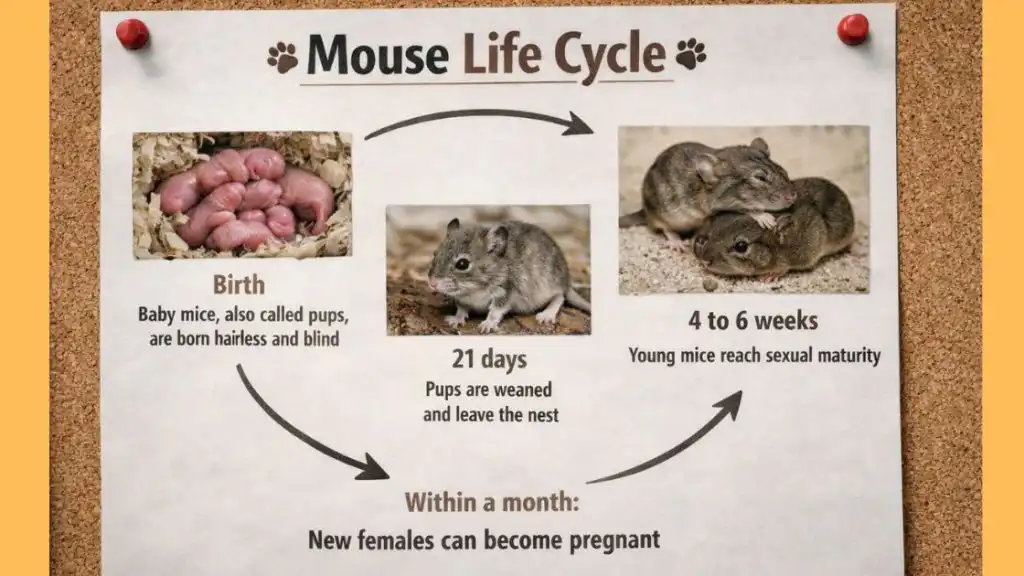
Understanding the life cycle of a mouse helps explain why infestations grow so fast. Mice don’t waste time growing up.
The cycle looks like this:
-
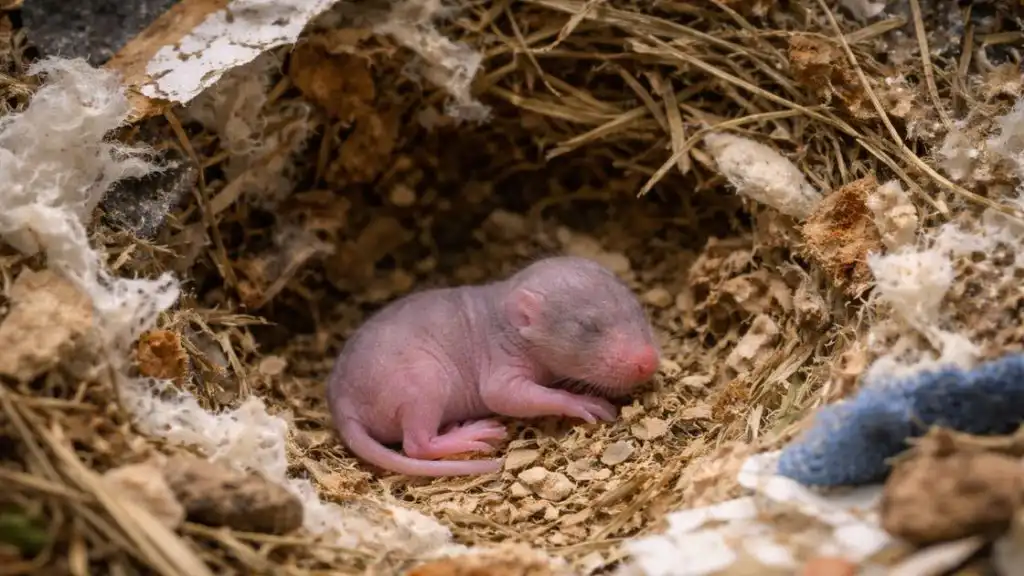
Birth: Baby mice, also called pups, are born hairless and blind
-
21 days: Pups are weaned and leave the nest
-
4 to 6 weeks: Young mice reach sexual maturity
-
Within a month: New females can become pregnant
Many people don’t realize that 21 to 30 are female out of every group of mice born. Those female baby mice can begin producing their own litters shortly after. This creates overlapping generations that keep growing without pause.
Because mice live and breed indoors year-round, homes provide perfect conditions for mice to quickly become a serious mouse infestation.
Why Mice Breed So Fast Inside Your Home
Homes give mice:
-
Steady warmth
-
Easy access to food
-
Safe nesting material
-
Protection from predators
Because of this, mice breed in your home far faster than they would outdoors. A mother mouse can give birth to a litter, then become pregnant again almost immediately. That means a new litter within 25 days isn’t unusual.
If you’re curious what keeps attracting them back, this article on what mice are attracted to breaks down the most common food and shelter sources.

How One Mouse Turns Into a Full-Blown Infestation
-
Start with one female mouse
-
She produces 6 to 14 pups
-
About half are female
-
Those females reproduce within weeks
In just a few months, two mice can turn into 30 or more mice. By the end of a year, that number can climb into the hundreds. This is how mice go from a small issue to taking over your home.
Many homeowners don’t see mice at first because mice are nocturnal. Instead, they notice damage or droppings long after the infestation has grown.
Signs of a Mouse Infestation
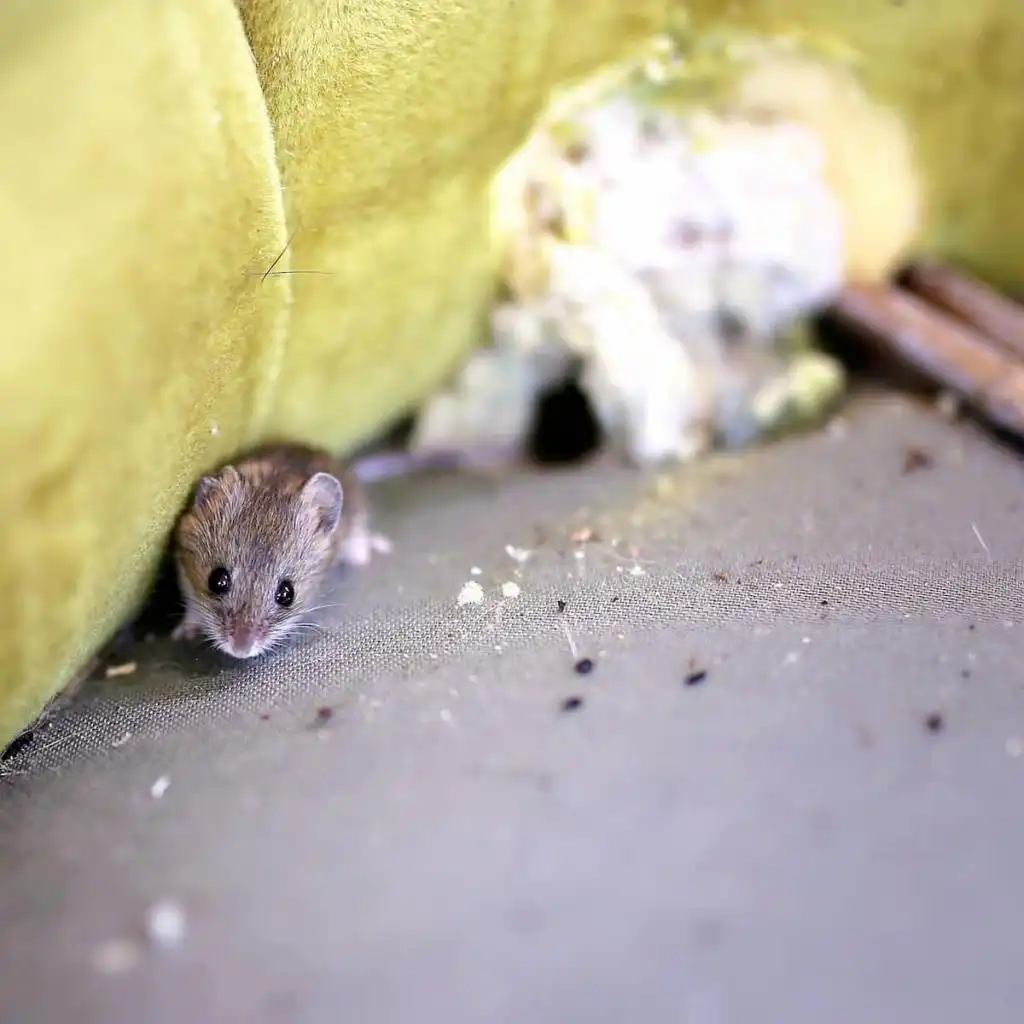 Catching a problem early can save a lot of stress. Common signs of a mouse infestation include:
-
Small black droppings near food or walls
-
Scratching sounds at night
-
Chewed wires, boxes, or insulation
-
Strong odors from nesting areas
-
Shredded paper or fabric used as nesting material
If you notice these signs, it’s a good idea to read about when to call an exterminator for mice before the problem grows further.
Why DIY Mouse Control Often Fails
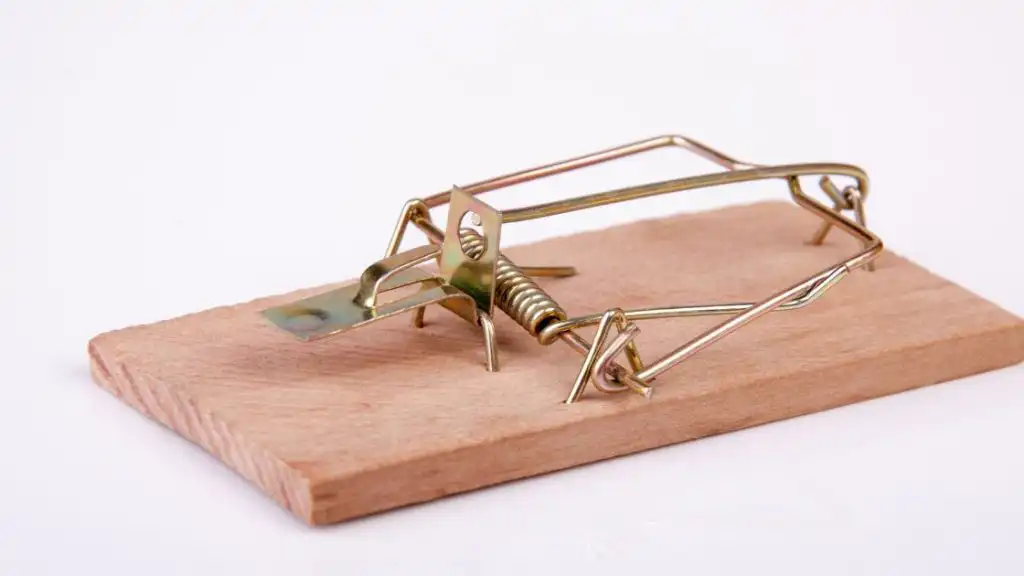
DIY methods often fail because they don’t address:
-
Hidden nests
-
Multiple breeding females
-
Entry points
-
Ongoing reproduction cycles
Many people spend weeks trapping mice, unaware that new mice are being born behind walls. That’s when professional mouse control becomes necessary.
If cost is a concern, this breakdown of mice exterminator cost helps explain what goes into effective treatment.
How Pest Control Stops Mice From Breeding
Professional pest control technicians don’t just remove mice. We stop the breeding cycle.
At Titan Pest & Wildlife Solutions, our approach includes:
-
Full inspection of the home
-
Identifying nests and breeding zones
-
Sealing entry points
-
Removing active mice
-
Ongoing monitoring
By cutting off access and removing breeding females, we stop mice from reproducing again.
Can Natural Methods Prevent Mice From Breeding?
If you’re exploring options, this guide on essential oil scents to get rid of mice explains what works and what doesn’t.
Natural methods work best as prevention, not as a solution once mice are breeding indoors.
Best Way to Prevent Mice in Your Home
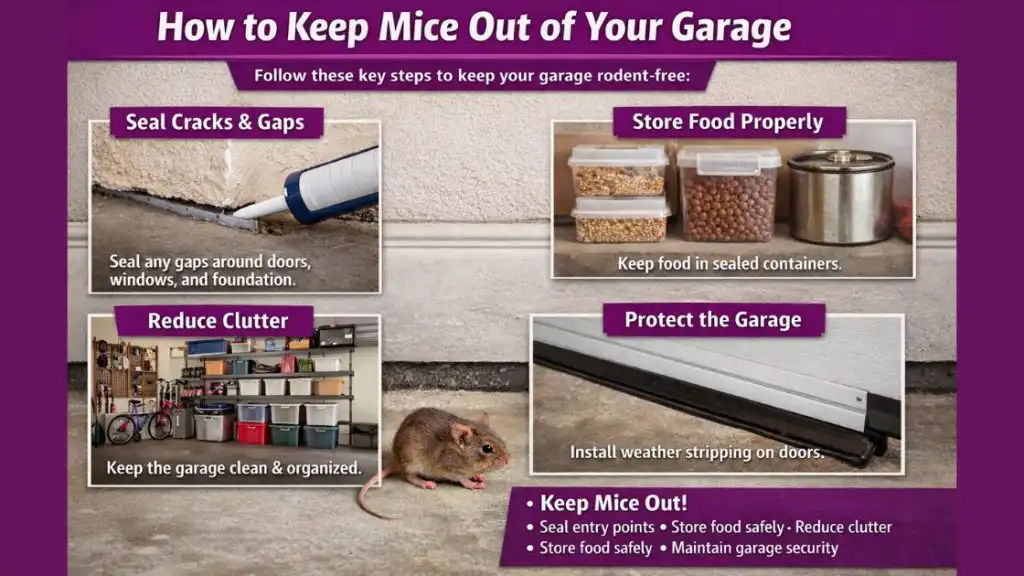
Key steps include:
-
Sealing cracks and gaps
-
Storing food properly
-
Reducing clutter
-
Keeping garages protected
This guide on how to keep mice out of your garage is especially helpful since garages are common entry areas.
Frequently Asked Questions About Mice Infestations
-
How many mice are there if I see one?
If you see one mouse, there are usually several more hiding. Mice are nocturnal and secretive, so a single sighting often means a small group is already nesting nearby.
-
How fast can mice multiply?
Mice reproduce extremely fast. A single female can have a litter every 3–4 weeks, producing up to 5–10 babies each time. This means a few mice can turn into dozens within a couple of months.
-
Do mice spread quickly?
Yes. Mice spread rapidly because they need very little space and can squeeze through openings as small as a dime. Once inside, they explore and nest throughout walls, attics, and storage areas.
-
Does 4 mice mean an infestation?
Seeing four mice almost always indicates an infestation. By the time multiple mice are visible, the population is usually well established and actively breeding.
-
Will mice eventually go away?
No. Mice rarely leave on their own as long as food and shelter are available. Without professional removal and exclusion, the problem typically gets worse over time.
Why Professional Pest Control Matters
Professional service offers:
-
Long-term protection
-
Breeding prevention
-
Structural protection
-
Peace of mind
Call Titan Pest & Wildlife Solutions Today
If you’ve been wondering how fast do mice reproduce, the answer is fast enough to overwhelm a home in a matter of months. Waiting only gives mice more time to breed.
At Titan Pest & Wildlife Solutions, our mouse control services help homeowners stop mouse problems at the source. Our team understands how mice live, breed, and spread, and we know how to stop them safely and effectively. Call us today at (314) 720-8857 to schedule your free inspection. We’re here to protect your home, stop infestations, and give you peace of mind you can trust.