
If your yard has soft spots, raised tunnels, or skinny runways cutting through the grass, you might be dealing with a mole or a vole. Both can cause significant stress for homeowners across the St. Louis area. The difference between moles and voles matters, since each one needs a different control method. Using the wrong approach can let the damage spread fast.
As a local team at Titan Pest & Wildlife Solutions, we see this problem every day. Many homeowners guess which pest they have, only to find that the issue keeps getting worse. This guide keeps things simple, clear, and easy to follow. You’ll learn what each pest looks like, how their damage shows up, and what to do next to protect your lawn and plants.
Let’s start with the quickest way to tell them apart.
What’s the Difference Between Moles and Voles?
If you see raised tunnels and mounds, you likely have moles. If you see surface runways and gnaw marks on plants, you likely have voles. Moles are carnivores that eat worms and grubs. Voles are herbivores that feed on grass, shrubs, bulbs, and root systems.
To make things even easier, here’s a simple side-by-side comparison.
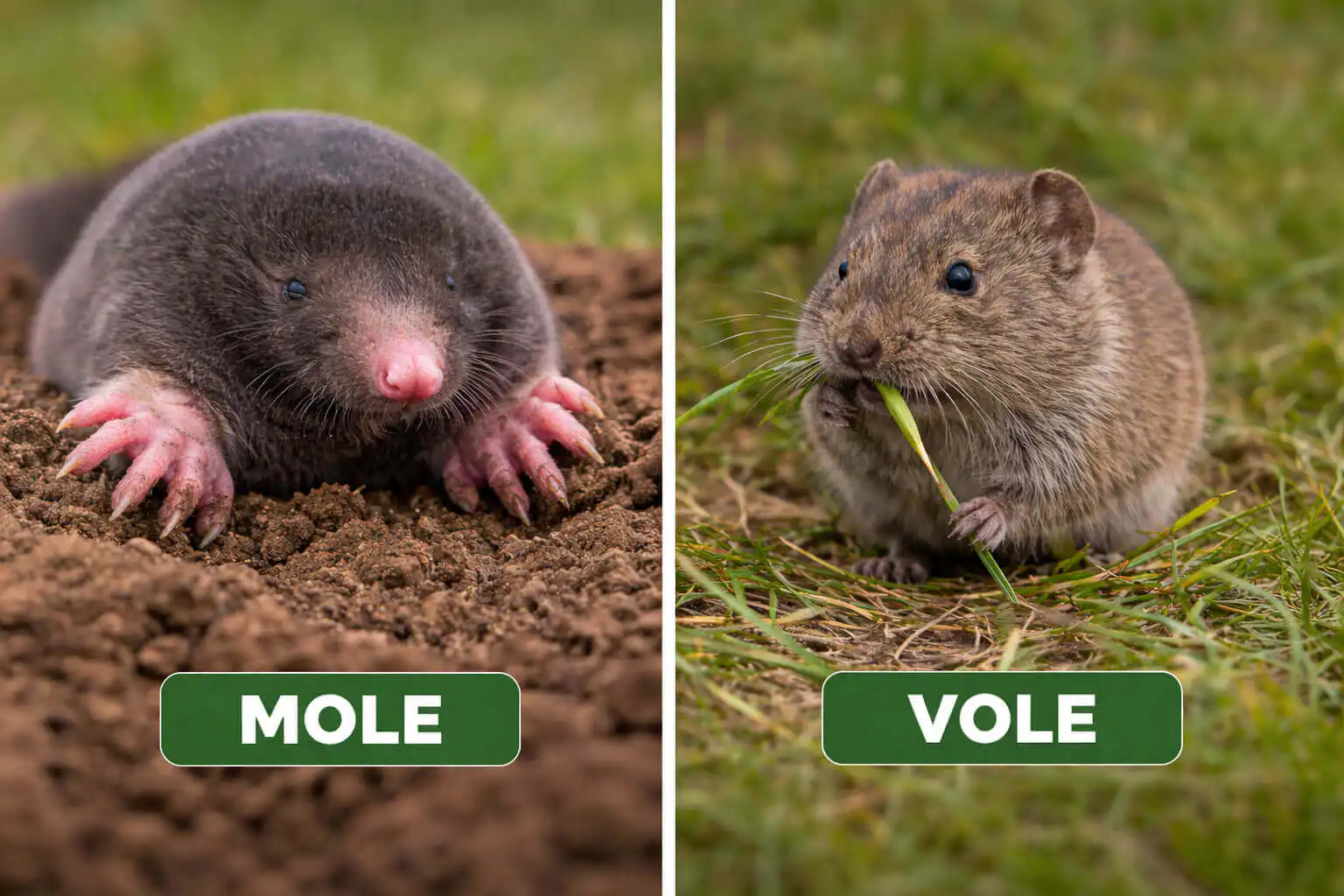
Mole vs. Vole Comparison Table
| Feature | Moles | Voles |
|---|---|---|
| Type of Animal | A mammal related to the shrew | Rodent similar to field mice |
| Diet | Moles are carnivores that eat worms, grubs, and beetles | Voles are herbivores that feed on grass, bulbs, shrubs, and root systems |
| Body Shape | Cylindrical body with an elongated head and snout | Short body, mouse-like, brown or gray |
| Eyes & Ears | Very small eyes, ears hidden in the fur | Small eyes, short tail, and small ears |
| Feet / Claws | Large front feet and sharp claws for digging | Normal rodent feet and front teeth are used for gnawing |
| Tunnel Style | Deep underground tunnels and soil mounds | Surface runways and small burrow openings |
| Damage They Cause | Soft soil, raised tunnels, uneven ground | Chewed plants, damaged root systems, and dead grass |
| Yard Impact | Loose soil and collapsing ground | Runways, clipped vegetation, exposed shrubs, and trees |
| Signs in the Lawn | New tunnels after rain and mounds of soil | Narrow trails, gnaw marks, and holes near vegetation |
| What They Eat | Earthworm, beetle, grub | Grass, vegetation, bulbs, bark |
| Active Seasons | Spring and fall | Fall, late winter, and early spring |
| Common Confusion | Mistaken for gophers | Mistaken for field mice |
| Best Control Options | Mole traps and tunnel treatments | Snap traps, bait stations, and trimming vegetation |
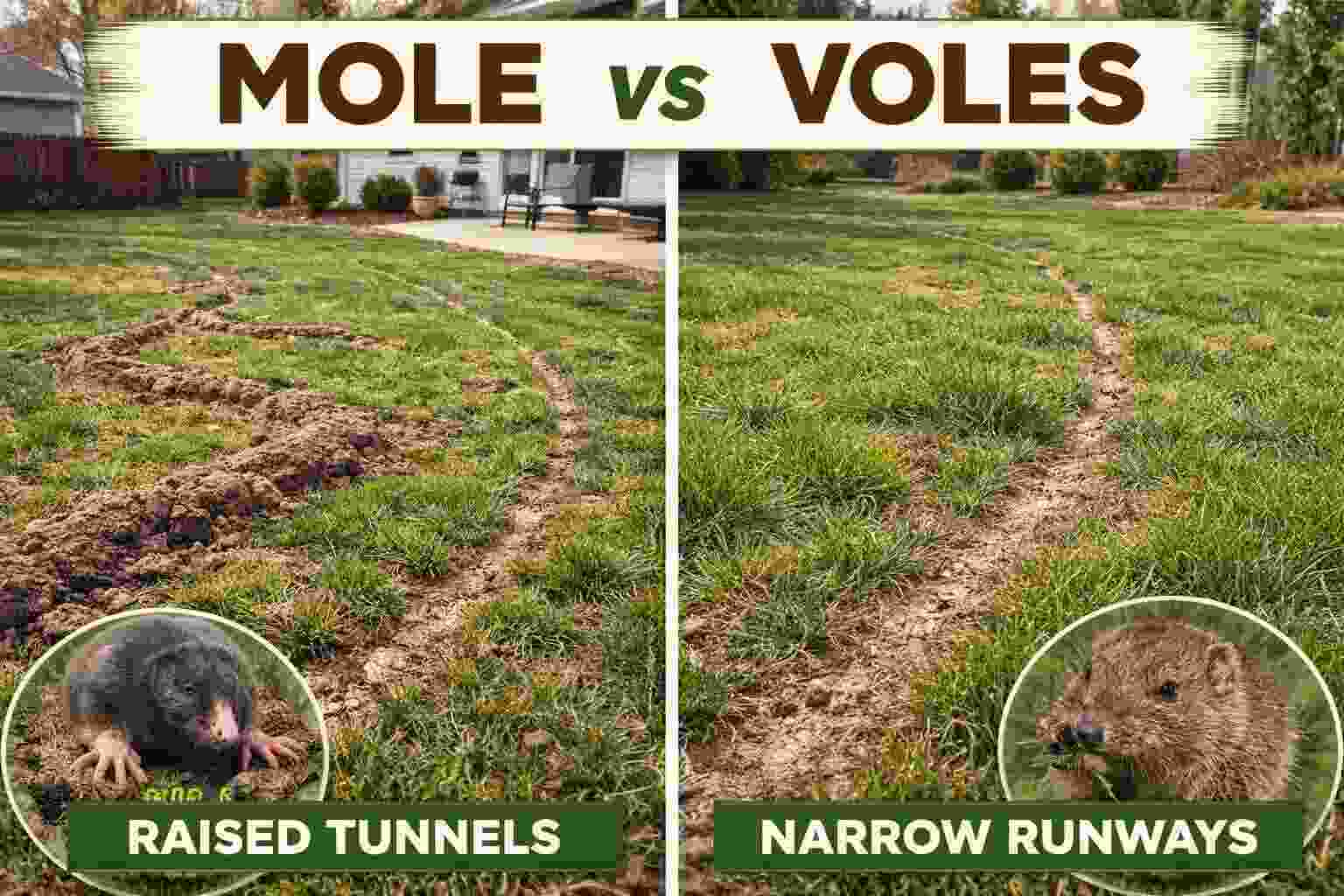
What Does Mole Damage Look Like?
Mole damage often shows up as raised, spongy tunnels. When you walk across the yard, the ground may sink under your shoes. Moles use their sharp claws and large front feet to dig through soil as they search for earthworms, beetles, and grubs. These insects keep moles active, especially after rain, when worms move closer to the surface.
-
Raised tunnels running under the lawn
-
Soft, collapsing soil
-
Volcano-shaped mounds
-
New tunnels are forming after wet weather
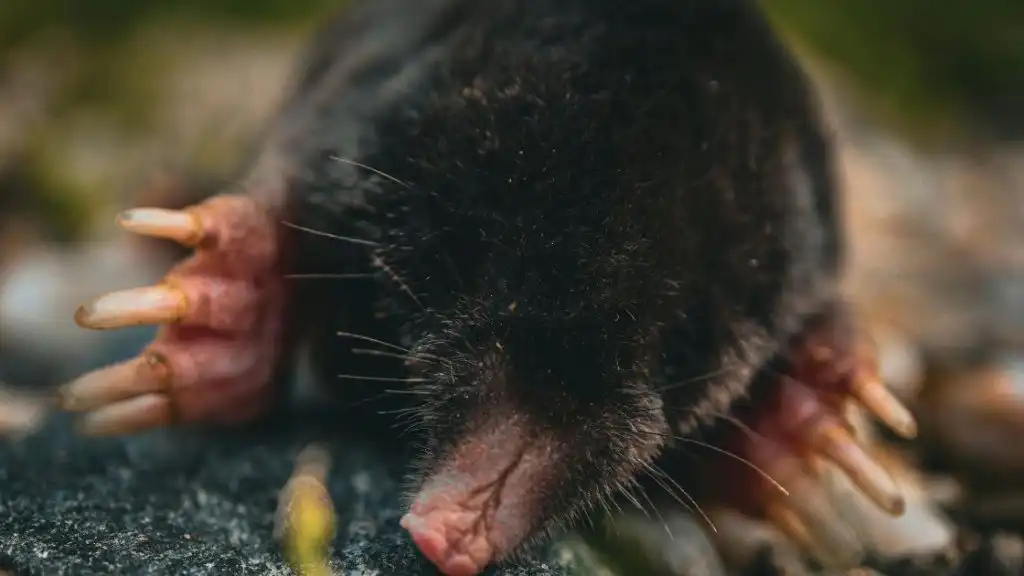
Moles grow to several inches long, with elongated snouts and thick fur that help them move underground. Their eyes and ears are hidden, and they live almost their entire lives underground. When food is abundant, they stay busy and create new tunnels in many directions.
Fresh sod, shaded lawns, and areas with high moisture often attract moles. Some yards only have one or two, but that’s enough to cause widespread soil disruption.
What Does Vole Damage Look Like?
Voles leave a different pattern behind. They create thin runways on the grass. These runways look like tiny trails carved into the lawn. You might see them near mulch beds, fences, gardens, or shrubs. They often open into small burrow holes about the size of a golf ball.
Common Signs of Vole Activity
-
Narrow runways on the surface
-
Gnaw marks on shrubs, bulbs, and stems
-
Burrow holes near runways
-
Chewed bark around young trees
-
Dead patches of grass
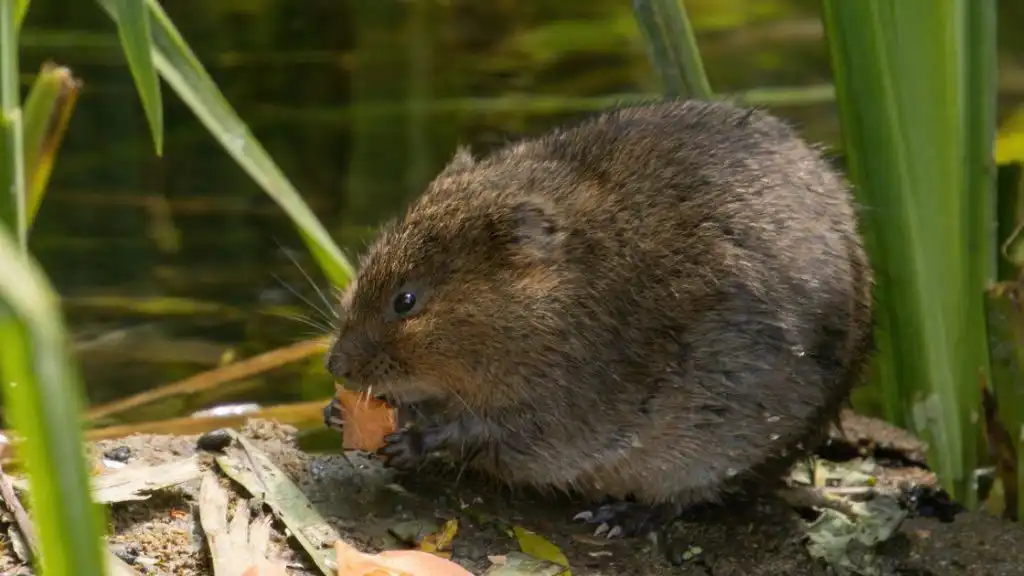
Voles are smaller than moles. They look like brown or gray field mice with short tails. They use their front teeth for gnawing on roots and stems. Since voles are herbivores, they can cause severe damage to vegetation. When winter snow melts, many St. Louis homeowners find long trails and clipped grass from vole feeding.
Their ability to reproduce several times per year means a small group can grow quickly. This often leads to sudden lawn damage during late winter and spring. Meadow voles may become a significant issue when mowing your lawn. The only way to get rid of them satisfactorily is to call Titan STL.
Mole Tunnels vs. Vole Runways: How Do You Tell the Difference?
If you want a quick way to tell the difference between a mole and a vole, focus on how the ground looks. Knowing the difference between the two will help you permanently get rid of moles and voles. You can’t repel moles and voles or prevent their return without professional intervention. This fact is supported by cooperative extension professionals in St. Louis.
Mole Tunnels
-
Raised lines across the yard
-
Soil pushed upward
-
Damage may include soft areas caused by deep digging
-
Mounds of soil
Vole Runways
-
Flat, narrow surface paths
-
Trails that look well-worn
-
Grass clipped close to the ground
-
Burrow holes near shrubs, mulch, or fences, which also affects the root system of plants, trees, and shrubs, damaging your yard and causing a great deal of expense
Stepping on a mole tunnel usually causes it to collapse. Following a vole runway feels like walking on a narrow dirt path. These clues help you figure out which pest you have before choosing a plan.
Identifying Burrowing Lawn Pests in the St. Louis Area
St. Louis lawns can attract multiple burrowing animals. Some homeowners think they have moles, but the actual issue may be a shrew or a gopher.
It’s important to note that Voles and gophers are rodents, and moles and shrews are part of the family of animals related to bats and hedgehogs, and are not rodents.
Quick ID Notes
-
Shrews are small carnivores related to moles. They don’t create large tunnel systems.
-
Gophers chew plants and create large soil mounds, often wider than mole mounds.
-
Field mice leave droppings and chew marks, but don’t make long runways or tunnels.
If you’re unsure, the type of damage usually reveals which animal is active.
Why Picking the Right Pest Matters Before Any Control Method
Some homeowners try repellents, bait, or traps without knowing which pest they have. When the wrong method is used, the yard continues to decline. For example:
-
Mole bait won’t work on voles since voles eat plants.
-
Vole traps won’t catch moles since moles move underground.
-
Treating grubs won’t stop voles.
-
Plant-based bait won’t attract moles.
Each pest needs a specific approach. The wrong choice can give the pest more time to spread through lawns and gardens. Trees, shrubs, and root systems suffer the most when the real problem isn’t found early.
Controlling Moles and Voles: How Professionals Identify Moles and Voles
At Titan, our inspections focus on clear signs of pests in your yard. We examine tunnel depth, gnaw marks, burrow size, soil movement, and feeding patterns. We’re trained to spot small details that most people don’t catch.
Determining a Mole or Vole Problem
When we are determining a mole or vole problem, we check the following during an inspection:
-
Soil disruption and collapsing ground
-
Runways or raised tunnels
-
Chewed plants or bark
-
Patterns around mulch and shrubs
-
Burrow openings and tunnel age
-
Signs of grubs or worms
Once we confirm the pest, we develop a plan that addresses the root cause rather than treating surface symptoms.
How to Get Rid of Moles and Mole Damage
Mole control requires targeting the active tunnels. These mammals live underground full-time, so the best results come from methods placed inside the soil.
Common Mole Control Options
-
Mole traps are placed in active tunnels
-
Bait designed for mole diets
-
Soil adjustments where digging is easiest
-
Managing grub populations
Many DIY tools fail since moles ignore plants, smells, and noise devices. The most reliable method is to place traps or treatments in the tunnel systems they use most
How to Use Control Methods for Voles
Vole control focuses on removing food sources, trimming vegetation, and placing traps or bait in high-activity areas. Since voles stay near the surface, control options work differently from mole treatments.
Common Vole Control Options
-
Snap traps are placed along runways
-
Bait stations in feeding zones
-
Thinning thick vegetation
-
Reducing mulch depth
-
Wrapping tree bases
-
Yard adjustments to reduce hiding spots
Old home remedies like peanut butter and oatmeal bait may catch a few voles, but they rarely control a full group. With their fast breeding cycles, a larger plan is usually needed.
When to Call a Professional if you Have a Mole or Vole Problem
If new tunnels, runways, or burrow holes keep showing up, the problem may be growing. Lawns, shrubs, and gardens can suffer long-term harm when these pests stay active. Kids and pets may dig in soft spots, and plants may start to wilt or die.
When DIY treatments fail or the damage spreads, a trained technician can stop the activity before the yard reaches a point where recovery becomes slow or costly.

Why Titan Pest & Wildlife Solutions Is the Best Choice for Eco-Friendly Vole or Mole Control
Our team understands how moles and voles behave in the St. Louis area. Local soil conditions, seasonal changes, and common vegetation all influence how these pests move. We tailor our plans to your lawn, not a generic checklist.
What You Can Expect
-
Safe solutions for families and pets
-
Clear communication
-
Humane wildlife practices
-
Fast response times
-
Long-term protection options
-
Plans for lawns, gardens, and root systems
-
Local technicians who know mole and vole behavior
Our Home Shield, Yard Guard, and Wildlife Shield plans give your property year-round protection. We work to stop the damage, restore the yard, and prevent new tunnels or runways from forming.
Protecting Your Lawn Starts With Proper Identification
The difference between moles and voles shapes how you protect your yard. Knowing which pest you have makes each step easier and keeps your grass, shrubs, and root systems safe. If you’re seeing raised tunnels, runways, gnaw marks, or burrows, our team can help you figure out what’s happening and stop the activity before it spreads.
Frequently Asked Questions
The following FAQ will help you quickly identify the difference between moles and voles and understand how to stop lawn and plant damage.
How do I spot the difference fast?
The quickest way to tell is by looking at the damage. Raised, uneven tunnels usually indicate mole activity, while flat surface runways and visible paths through grass point to voles.
What do voles look like?
Voles resemble small brown or gray field mice. They have compact bodies, short tails, small ears, and are often seen near surface runways or damaged plants.
Do moles eat plants?
No. Moles are insectivores that feed primarily on earthworms, grubs, beetles, and other soil-dwelling insects. Plant damage from moles is usually indirect, caused by their tunneling.
Do voles damage shrubs?
Yes. Voles chew on bark, stems, roots, and low-growing shrubs. This feeding can girdle plants and lead to weakened growth or plant death if not addressed.
Which pest creates soil mounds?
Moles create soil mounds as they dig deep underground tunnel systems. These mounds are pushed-up soil and are a common sign of active mole infestation.
Which pest creates narrow trails?
Voles create narrow surface trails or runways through grass and mulch. These paths often lead to feeding areas near plants, trees, or garden beds.
What’s the best way to stop mole tunnels?
The most effective solution is placing mole traps in active tunnels. Identifying frequently used tunnels improves trapping success and helps stop further lawn damage.
What stops voles from feeding on plants?
Vole activity can be reduced by using traps or bait stations placed along active runways. Protecting plant bases with guards and reducing ground cover also helps limit feeding.
Get Expert Wildlife Removal in St. Louis
Titan Pest & Wildlife Solutions is here to protect local homes with safe, effective, and reliable vole and mole control as well as comprehensive wildlife removal for St. Louis homeowners. When you’re ready for expert help, we’re here to restore your yard and keep it healthy. Call Titan Pest & Wildlife Solutions in St. Louis at (314) 720-8857 now.