
If you’ve ever found droppings in a kitchen drawer or heard scratching in the walls at night, you already know how stressful mice can be. A mouse infestation can start with only one mouse, and before long, you may have rodents moving through wall voids, ceilings, and storage areas. Many people try different mouse trap bait options, but the bait you use matters more than you think. Using the best bait for mouse traps can help you catch mice faster and reduce the mouse population inside your home or business.
This guide covers the best bait to catch mice, how to use bait for mice traps correctly, and how to keep traps catching consistently. At Titan Pest & Wildlife Solutions, we’ve seen how peanut butter, chocolate, and other food bait attract mice better than dry or stale bait choices. We’re here to help you understand what makes bait irresistible to mice so you can solve a mouse problem quickly.
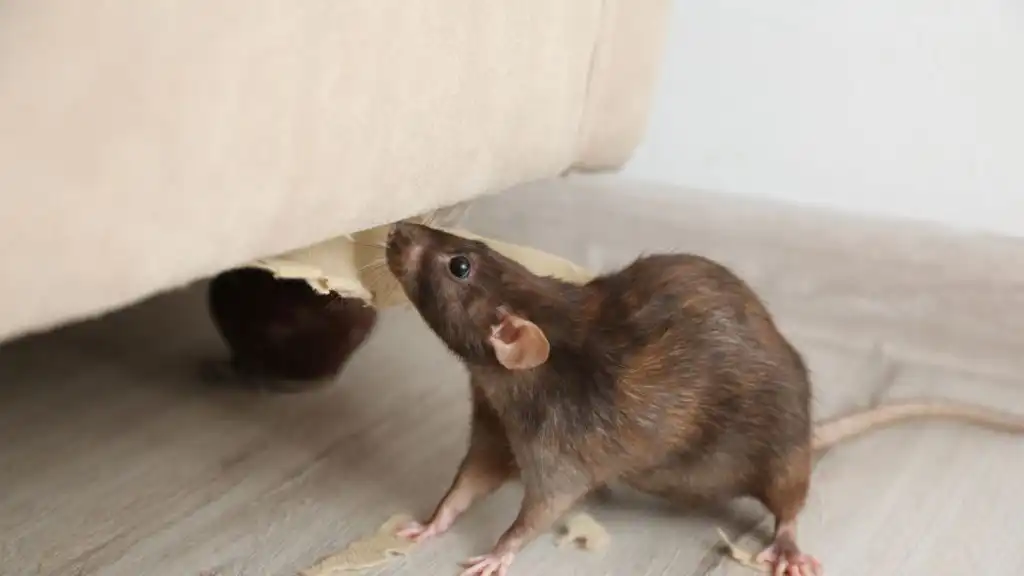
Why Do Mice Come Inside?
Mice come inside when they find even a small food source, like crumbs or open pantry containers. A house mouse can survive on tiny amounts of food, so even the best mouse trap won’t work if it’s in the wrong place or if the bait isn’t appealing. Rats and mice also follow scent trails, so strong-smelling foods can attract mice to traps more effectively.
When you use mouse traps and bait together in the correct areas, you increase your chances of success. Many homes in St. Louis have older basements or crawlspaces that allow mice to enter easily. When people see mouse droppings or hear scratching, it usually means there is an active mouse infestation that needs fast action. Professional pest control can help identify how mice enter and where to place traps.
Mouse Behavior and Why It Matters When Choosing Bait
Mouse behavior gives clear clues about the best mouse trap bait. Mice prefer high-energy foods like peanut butter, sunflower seeds, nuts, and oily foods they naturally search for in the wild. This makes peanut butter or cheese good starting points because they offer strong scents and stick to traps easily. The amount of bait matters too, since using too much can let mice steal bait without springing the trap.
Because mice are always exploring and nibbling, placing multiple traps along walls improves success. Mice will eat many types of food, but using a bit of peanut butter on a snap trap is an effective way to catch mice since they must lick it off. This licking motion triggers the trap mechanism and reduces the chance of the bait coming off without setting off the trap.
What Is the Best Bait to Catch Mice?
The best bait to use is peanut butter because it sticks to the trap and is highly attractive to mice. Mice love foods that smell rich and oily, which makes peanut butter an excellent bait for mice traps. Cheese or peanut butter both work, but peanut butter is more effective and harder for mice to remove.
Top 15 Best Mouse Bait Options
Here are the top baits that work consistently in mouse traps and rat traps.
1. Peanut Butter
Peanut butter is considered the best mouse trap bait because it sticks to traps and triggers the trap mechanism when mice take a bite. Snap traps baited with peanut butter tend to spring when mice take small licks, making it difficult for mice to steal the food without triggering the trap.

2. Chocolate Spread
Chocolate spread is highly attractive to mice because of its sweet smell. It stays on the trap and doesn’t dry out quickly, which helps the traps catch consistently.

3. Hazelnut Spread
Hazelnut spread works well as bait without drying out. Mice prefer sweet and oily foods, and hazelnut spread offers both, making it excellent bait for indoor traps.

4. Bacon
The strong smell of cooked bacon attracts mice or rats quickly. A small piece attached to the trap can lure rodents even when food sources are limited.

5. Cheese (Strong-Smelling Types)
Soft cheese or firm cheese can work as mouse bait because the scent carries across small spaces. Cheese can work, but peanut butter is often better because mice can’t grab it without triggering the trap.

6. Pet Food
Dry pet food is attractive to mice, especially when combined with a bit of peanut butter. Mice will eat pet food even when other food sources are available nearby.
7. Nuts and Seeds
Sunflower seeds and nuts are excellent bait options because mice love them naturally. Crushing seeds releases more scent and makes them attractive to mice.

8. Bird Seed
If mice are already eating fallen bird seed outside, using bird seed as bait on the trap inside can catch mice faster.

9. Beef Jerky
Beef jerky has an oily smell that mice prefer. A small piece pushed onto the trap helps trigger the trap when mice nibble.

10. Dried Fruit
Dried fruit attracts mice because it’s sweet and chewy. Using small pieces reduces the chance of mice grabbing the bait without springing the trap.

11. Marshmallows
Marshmallows work well in live traps since they are sticky and irresistible to mice. They also appeal to rats and mice in storage areas.

12. Cookies or Crumbs
Crushed cookies stick to traps when paired with a small smear of peanut butter. Mice will eat bits of crushed food, making this a reliable food bait option.

13. Candy Bars
Candy bars with nuts add scent and crunch, making them effective bait to catch mice when placed properly inside the trap.

14. Fruit Jam
Fruit jam works well in mouse traps because mice nibble slowly, increasing the chances of triggering the trap mechanism.

15. Honey or Syrup
A tiny amount of honey or syrup sticks to traps and keeps mice in place long enough to trigger the trap.

How to Use Bait Correctly for Best Results
You can have the best bait for mouse traps, but if you don’t place traps correctly, they won’t catch mice. To make your trapping more effective, it helps to understand the common ways how mice get in your house so you can place bait exactly where they enter. Place traps along walls, behind appliances, and in areas where you’ve seen mouse droppings. Use a small amount of bait so mice can’t remove it without triggering the trap.
If you have a mouse problem, use multiple traps to increase your chances. Placing traps around entry points helps catch mice before they spread into the rest of the home. Remember to check traps daily since dead mice can attract other pests.
Which Type of Trap Should You Use?
Different traps work for different situations:
- Snap Traps
Snap traps with peanut butter work well because mice must lick the bait off the trigger. These traps spring when mice take a bite, making them one of the best mouse trap designs for fast results.
- Glue Traps
Glue traps hold mice in place but may not always be strong enough for larger rats. These work best in areas where snap traps can’t fit.
- Electronic Traps
Electronic traps use food bait to lure mice inside, then activate when the mouse reaches the back. These traps allow clean disposal.
- Live Traps
Live traps are a humane option. Use bait that is sweet or sticky, so the mouse can’t avoid triggering the trap mechanism.
Common Mistakes People Make When Using Mouse Traps
Common mistakes include using too much bait, putting traps in the wrong location, or touching bait with bare hands. Mice can smell human scent, which makes them avoid the trap. Using multiple traps increases success, especially when you have signs of a mouse infestation, such as droppings, shredded materials, or food packaging damage.
Even the best mousetrap bait won’t work if the traps aren’t placed correctly. Place traps along walls or corners where mice prefer to travel. Avoid bait options that are too large or easy to steal.
When DIY Trapping Isn’t Enough
Sometimes traps work at first, but activity continues. This may mean there are rats and mice entering from outside, or there are more nesting sites than expected. A mouse infestation grows quickly because one mouse can become several in a short period. When baits and traps stop working, or mice keep returning, professional pest control is the safest option.
If your efforts aren’t yielding results, knowing about the costs for a mouse exterminator can help you weigh the value of a professional guarantee versus the ongoing expense of DIY supplies.
Why Titan Pest & Wildlife Solutions Is the Right Choice
We understand how stressful it can be when traps catching doesn’t solve the problem. Our team specializes in identifying entry points, placing traps correctly, selecting the best mouse trap bait, and sealing gaps so mice can’t return. We use bait stations, advanced trapping methods, and sanitation steps to reduce attractants.
Our technicians know how to handle mice or rats in a safe, effective, and responsible way. We help you rid of mice and protect your home or business long-term.
How to Keep Mice From Coming Back
Once you catch mice, prevention is the next step. Seal openings, store food properly, clean up crumbs, and remove clutter. Mice will eat almost anything, so reducing food sources helps stop future activity. Place traps around known entry points during seasonal changes to avoid new problems.
Effective Mouse Control Starts With the Right Bait and Expert Help
Mice can cause stress, damage, and contamination in any home or business. Using the right bait, the right mousetrap, and the right placement gives you the best chance to catch mice quickly. But when a mouse infestation grows or traps stop working, pest control support is the safest and most reliable solution. Titan Pest & Wildlife Solutions offers professional rodent control, expert trapping, and long-term prevention for your peace of mind.
Call Titan Pest & Wildlife Solutions Today
For fast, safe, and effective mouse control, call Titan Pest & Wildlife Solutions at (314) 720-8857 for a FREE inspection.
We’re here to help you get control of the mouse problem and protect your home or business with a reliable solution you can trust.